The Question
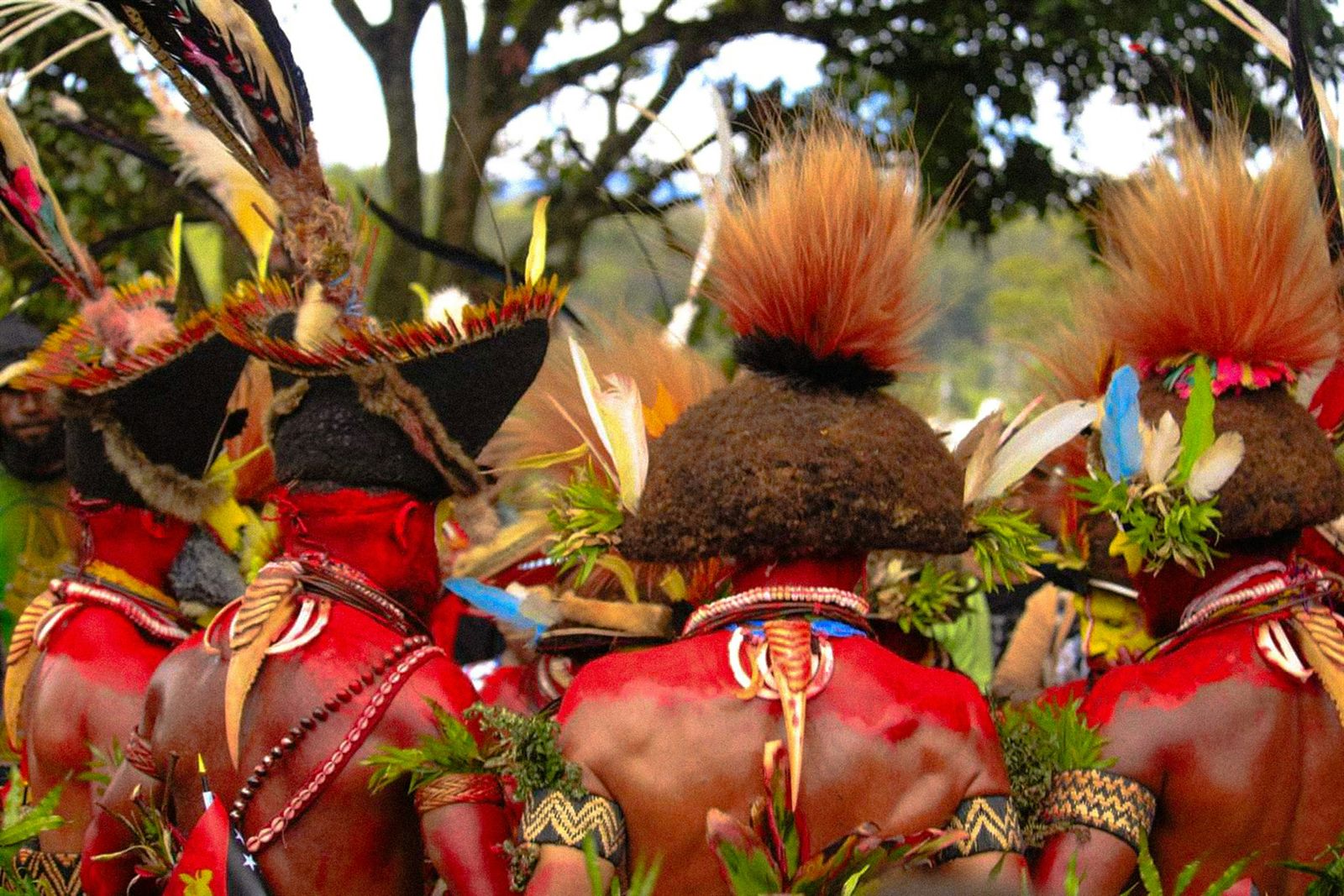
A language does not usually die with a bang. It fades. One generation speaks it at home, the next understands it but answers in the national tongue, and the one after that knows only a few words. When the last fluent elder passes, an entire way of naming the world — its plants, its stories, its jokes, its map of kinship — goes quiet, often without anyone noticing the exact moment it happened.
There are about 7,000 living languages on Earth, but they are distributed with astonishing unevenness. A few dozen dominant tongues are spoken by billions, while thousands of others have only hundreds or dozens of speakers left. Roughly 40% are already considered endangered. The question is stark: how many of these will survive the century, and what does it mean for human knowledge when so much of it lives only in the memory of ageing speakers who have no one to pass it to?
What the Evidence Shows
The trajectory is not speculative; it is being measured. Catalogues of the world's languages classify around 40% of them as threatened, and studies of speaker demographics find that a language with only elderly speakers and no child learners is, in practical terms, already at the end of its life. When the youngest fluent speaker is sixty, the clock is simply running out. On current trends, linguists have long warned that between a third and a half of all languages could disappear within a few generations.
The pressures are consistent across every continent. Urbanisation pulls young people from villages where minority languages survive into cities where a dominant language is the currency of work and schooling. National education systems teach and test in a single official tongue. Media, the internet, and now translation technology reward the biggest languages and quietly starve the smallest. A parent who wants a child to prosper often chooses, understandably, to raise them in the language of opportunity.
"When a language dies, we do not just lose words. We lose a library — an entire system of observing, remembering, and explaining the world that took thousands of years to build and can never be rebuilt."
— UNESCO — Atlas of the World's Languages in Danger, 2024Yet the same century that threatens languages also offers unprecedented tools to record and even revive them. Digital archives can capture a fluent speaker's grammar and vocabulary in weeks. Apps teach endangered tongues to new learners. And there are real revival stories — communities that pulled languages back from the brink through schools, media, and stubborn intergenerational effort. Documentation is not the same as survival, but it changes what "extinction" means when a language can be brought back from a recording.
"Every fortnight, somewhere on Earth, the last person who dreams in a particular language closes their eyes for good."
Why This Is Happening
Economics favours the big languages. A child's future income, education, and mobility usually depend on fluency in a national or global tongue. Faced with that reality, families across the world make the rational choice to prioritise the dominant language, and the minority one slips out of daily use within a generation or two. No villain is required; the market for opportunity does the work on its own.
Transmission breaks at the home, not the school. A language survives only if children learn it naturally from those around them. Once a generation stops speaking it to their infants, formal classes rarely fill the gap. The critical failure point is the everyday household, which is exactly where migration, mixed marriages, and screen-based media in dominant languages exert the most quiet pressure.
The distribution was fragile to begin with. Most of the world's languages never had many speakers — hundreds or a few thousand, often in remote communities. A tongue that small can be tipped into decline by a single road, a school, or a wave of emigration. The sheer top-heaviness of global language, where a handful dominate and thousands cling on, means the long tail was always exposed.
What Could Happen
The pressures of urbanisation, dominant-language schooling, and broken home transmission continue, and thousands of small languages lose their last fluent speakers over the coming decades. Many are documented before they go, preserved in archives even as living use ends. The world's spoken diversity contracts sharply toward a few hundred robust languages.
Cheap documentation, translation tools that finally include small languages, and community-led revival movements keep more tongues in active use than expected. Extinctions still occur, but fewer than half are lost as digital tools lower the cost of learning and speaking minority languages. Diversity shrinks but less drastically.
Rapid urbanisation, conflict, and climate displacement scatter small language communities faster than anyone can record them, and more than half vanish well before 2100. Documentation cannot keep pace with the disruption. This grim path is possible but less likely than a steady, partly-mitigated decline.
What Can We Do
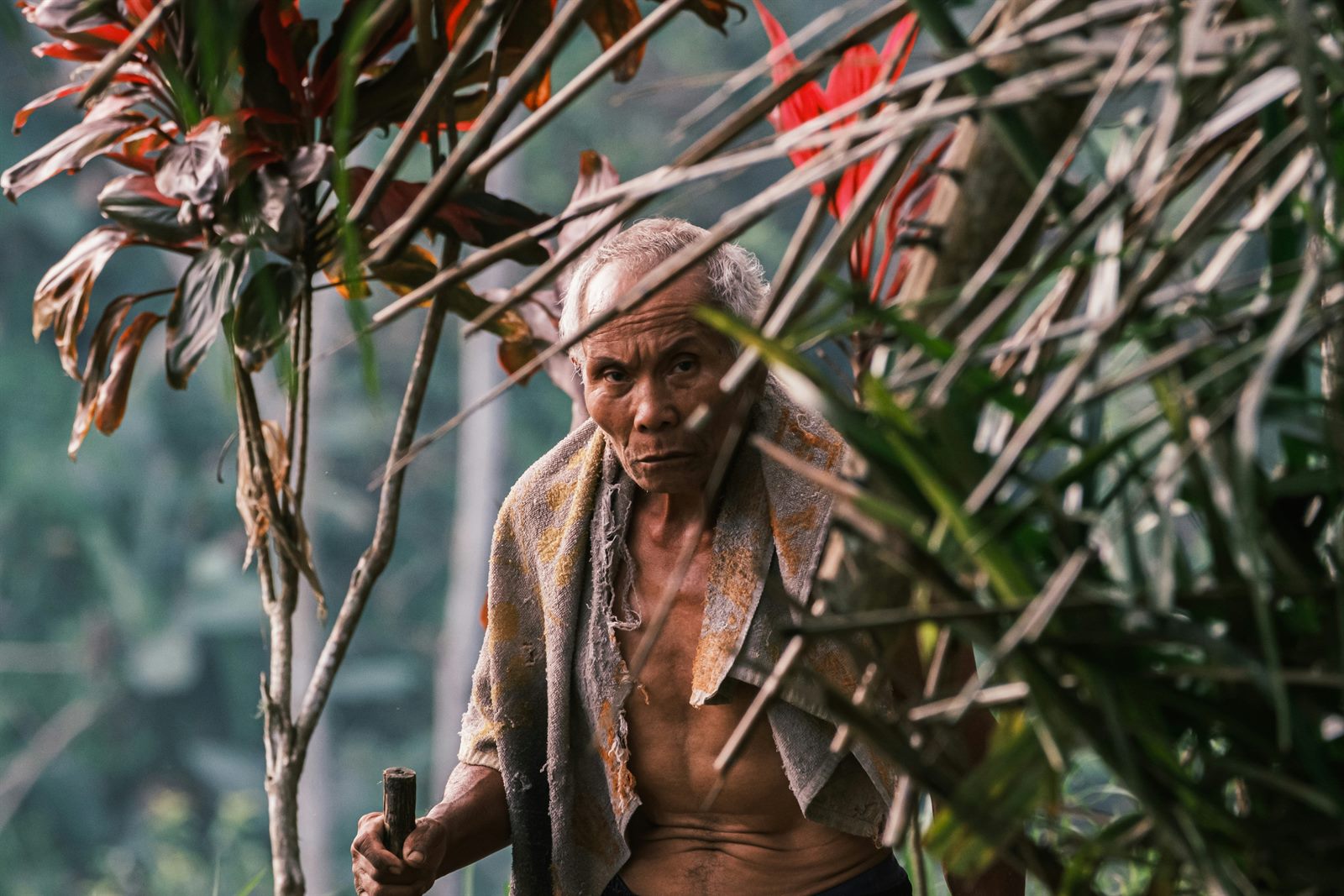
Language loss can feel like weather — vast and impersonal. But languages live in specific families and communities, and that is exactly where they can be defended.
Speak the small language at home. The single most powerful act of preservation is raising children with a heritage language in daily life, even alongside a dominant one. Bilingual children lose nothing and gain a whole inheritance. Everyday use in the household matters more than any classroom or app.
Support documentation while speakers are living. Recording fluent elders — their stories, grammar, and vocabulary — captures a language before it is lost and gives future revivals something to build on. Back the archives, universities, and community projects doing this work. A recorded language is never fully gone.
Demand small languages in technology. Translation tools, keyboards, and voice systems increasingly decide which languages feel usable in modern life. Push the companies building them to include minority tongues. Visibility in the digital world can turn a dying language into a living, texting, searchable one again.
Treat linguistic diversity as heritage worth funding. Just as nations protect historic buildings and rare species, they can fund bilingual schooling, media, and community programmes for endangered languages. Support the policies that make this possible. What is preserved deliberately tends to survive; what is left to chance usually does not.
- UNESCO — Atlas of the World's Languages in Danger, 2024
- Ethnologue — Languages of the World, 27th Edition, 2024
- Endangered Languages Project — Status Assessments, 2025
- Living Tongues Institute — Language Vitality Studies, 2024
- Max Planck Institute for Evolutionary Anthropology — Language Loss Research, 2024
- Forecast The World Research Desk — 800+ data sources