The Question
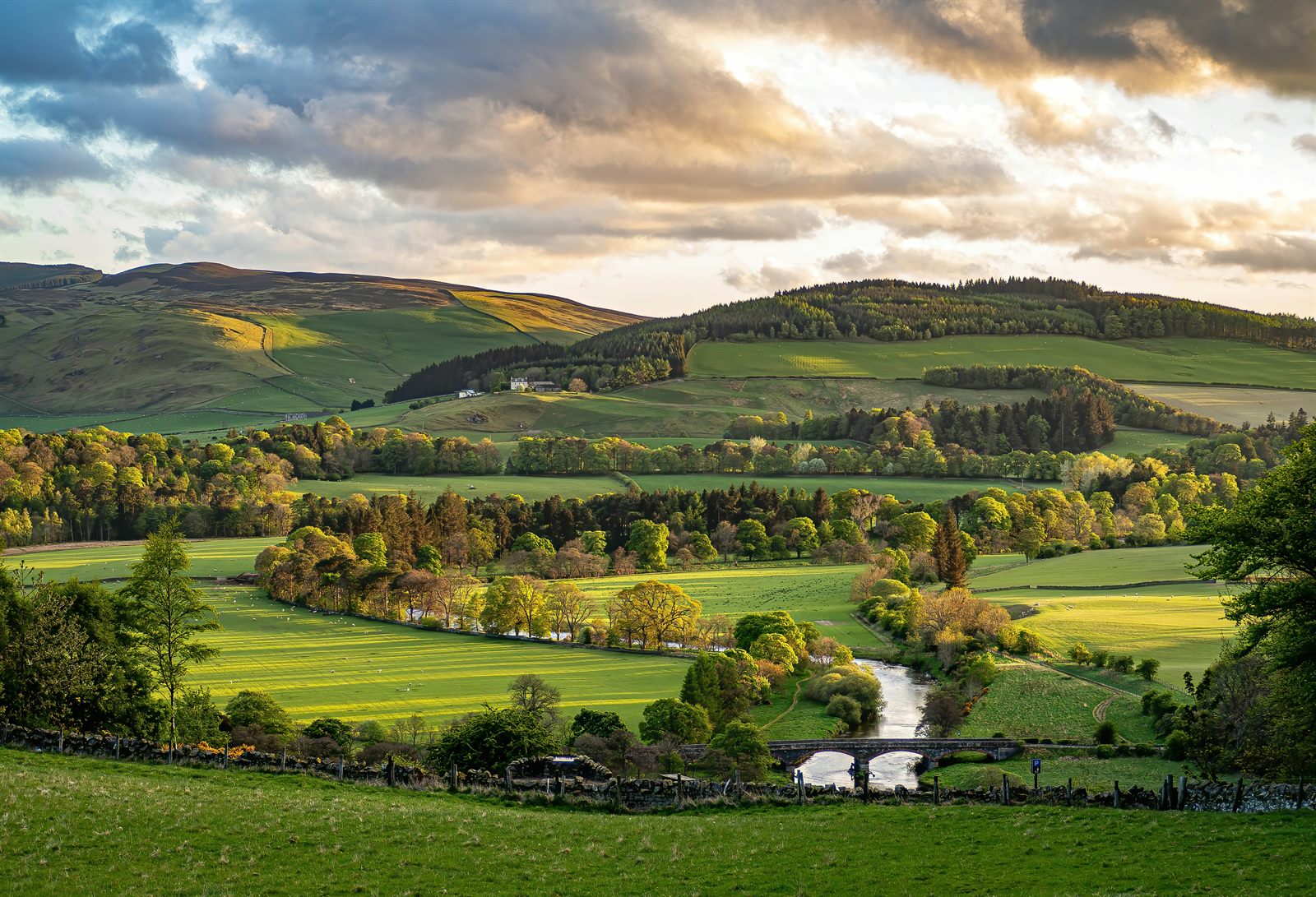
Soil looks like the most permanent thing on Earth — the ground itself, endless and unchanging. It is neither. The fertile topsoil that grows our food is a living layer, often just a few inches deep, built over centuries from rock, water, dead plants, and vast populations of microbes. It takes nature hundreds of years to form an inch of it. Modern farming can strip that same inch away in a single generation.
For most of human history there was always more land to move to when a field wore out. That frontier is closing. The best soils are already in use, the population is still climbing toward its peak, and the pressure on every hectare is intensifying. Meanwhile the UN warns that a large share of the world's farmland is already degraded to some degree. The question is stark: are we quietly liquidating the foundation of the food supply, and by 2050 will roughly a third of our productive soil simply be gone — too eroded, too salty, or too exhausted to grow what it once did?
What the Evidence Shows
The numbers behind soil loss are sobering. Studies estimate that fertile land is being lost to erosion, salinisation, and degradation at rates far exceeding natural soil formation — in many regions, topsoil washes or blows away tens of times faster than it can rebuild. The UN's land agency has warned that a significant portion of the world's agricultural land is already degraded, and that the area affected keeps expanding each year as intensive farming, deforestation, and drought take their toll.
The causes stack on top of one another. Ploughing loosens soil that wind and rain then carry off. Irrigation, done carelessly, leaves salt behind that slowly poisons the ground. Monocultures and heavy chemical use strip out organic matter and kill the microbial life that gives soil its structure. Climate change adds heavier downpours that scour hillsides and longer droughts that turn earth to dust. Each pressure alone is manageable; together, over decades, they hollow out the land's fertility.
"We are treating a resource that takes centuries to build as if it were infinite. Lose the topsoil, and no amount of fertiliser fully brings the harvest back."
— UN Food and Agriculture Organization — Status of the World's Soil Resources, 2024Yet the picture is not uniform, which is exactly why this forecast sits near a coin flip. "A third of farmable soil" is hard to define precisely — degradation is a spectrum, not a switch, and much damaged land can still produce with heavy inputs. Some regions are actively rebuilding soil through better practices, and a fast-growing movement in regenerative agriculture shows that decline can be halted and even reversed. The honest reading is that the trend is genuinely alarming, but the precise scale and timing of loss by 2050 remain uncertain.
"Civilisation rests on six inches of topsoil — and we are spending it faster than the Earth can earn it back."
Why This Is Happening
We farm for this year's yield, not the next century's soil. The economics of agriculture reward maximum output now: plough more, plant one high-value crop, apply chemicals, and harvest as much as possible. The slow erosion that follows shows up on nobody's balance sheet until the land itself begins to fail. Short-term incentives quietly consume a long-term asset.
Pressure on land keeps rising even as its quality falls. With billions more mouths to feed through the 2030s and 2040s, and the best land already claimed, farmers push onto marginal soils and work existing fields harder. Forests are cleared, fragile drylands are cultivated, and rest periods that once let land recover are abandoned. Intensity climbs precisely where the soil can least afford it.
Climate change is accelerating the damage. Hotter temperatures, fiercer rainstorms, and deeper droughts all attack soil directly — baking it, washing it away, and drying out the organic matter that holds it together. As the climate shifts through mid-century, the physical forces that degrade land grow stronger, turning a slow decline into a faster one in many vulnerable regions.
What Could Happen
By 2050, a large share of the world's soil — plausibly around a third — is significantly degraded, and the crisis becomes impossible to ignore. Governments and farmers pivot hard toward regenerative methods, no-till farming, cover crops, and precision agriculture. Food production survives, but only through a deliberate, costly reinvention of how we treat the land.
Soil keeps eroding, yet ever-heavier fertiliser, irrigation, and new crop varieties keep yields up, hiding the underlying decline. Headline harvests hold, but the land grows more fragile and input-dependent, leaving the food system dangerously exposed to shocks it can no longer absorb.
Regenerative agriculture, strong policy, and carbon-market incentives spread fast enough to stabilise and rebuild soils across much of the world before 2050. The projected third is never lost, and land quality begins a broad recovery. Possible, but it demands a speed of change the world rarely manages.
What Can We Do
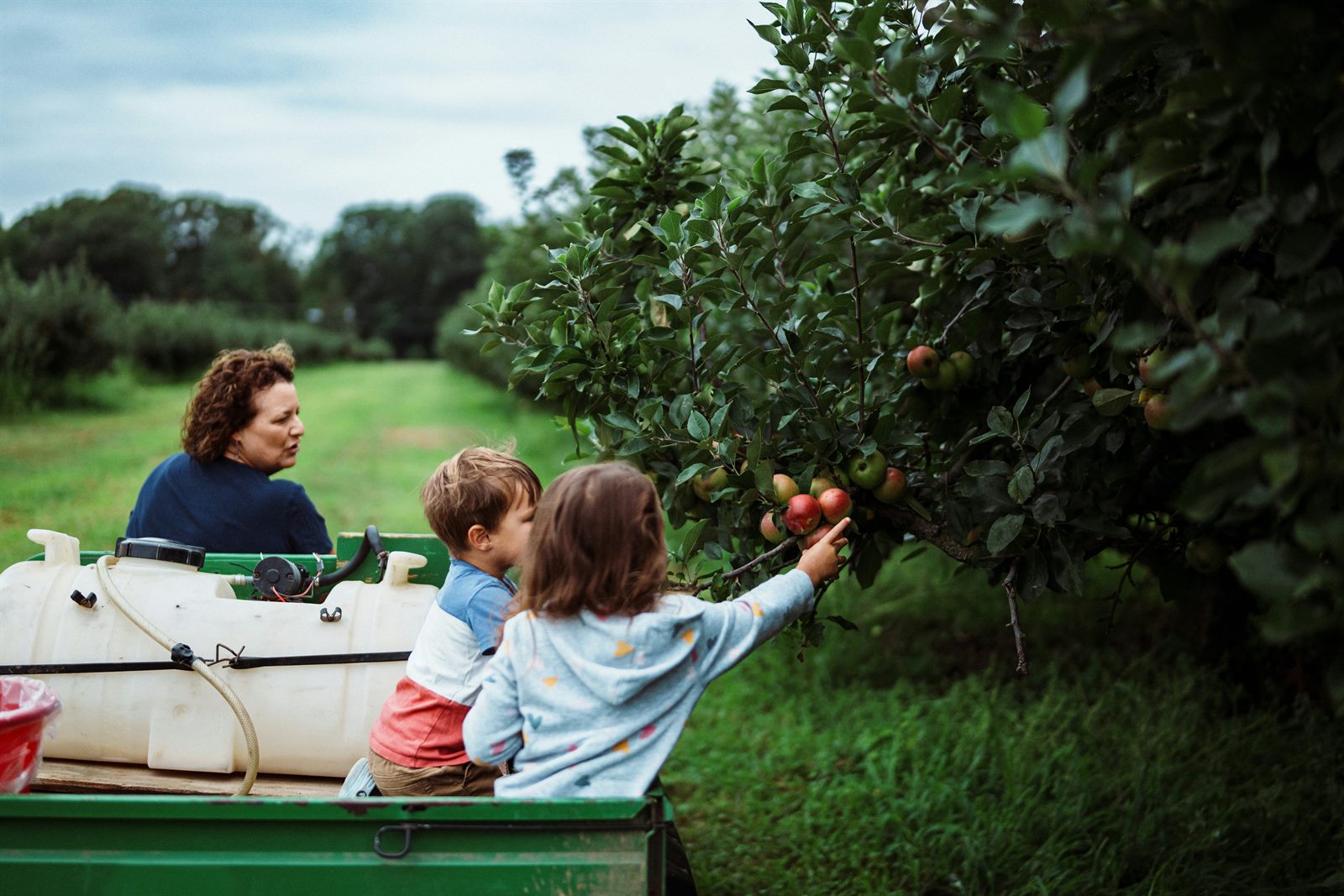
Soil feels distant from daily life, yet the choices of eaters, voters, and gardeners genuinely shape whether the land recovers or fails.
Support farming that builds soil rather than mining it. Seek out food from regenerative, no-till, and cover-cropping farms where you can, and back the producers who treat soil as a living asset. Demand from the checkout is one of the fastest signals the food system responds to.
Cut the food waste that drives needless land pressure. Roughly a third of food is wasted, which means a third of the soil, water, and effort behind it is squandered too. Wasting less directly eases the pressure to overwork and expand onto fragile land. It is one of the highest-leverage things any household can do.
Push for policy that rewards soil health. Farmers respond to incentives, and most current subsidies reward output, not stewardship. Support programmes and carbon markets that pay for building organic matter, reducing tillage, and keeping land covered. Getting the incentives right is what turns good practice from niche to normal.
Care for the soil you touch. If you garden, compost, plant cover, and avoid leaving earth bare and exposed. Even small plots demonstrate that soil can be rebuilt, and they connect people to a resource most of us never think about until it is gone. Healthy soil starts as a habit before it becomes a policy.
- UN Food and Agriculture Organization — Status of the World's Soil Resources, 2024
- UN Convention to Combat Desertification — Global Land Outlook, 2024
- IPBES — Land Degradation and Restoration Assessment, 2023
- Nature Sustainability — Global Topsoil Erosion Analysis, 2024
- World Resources Institute — Restoring Degraded Farmland Report, 2025
- Forecast The World Research Desk — 800+ data sources