The Question
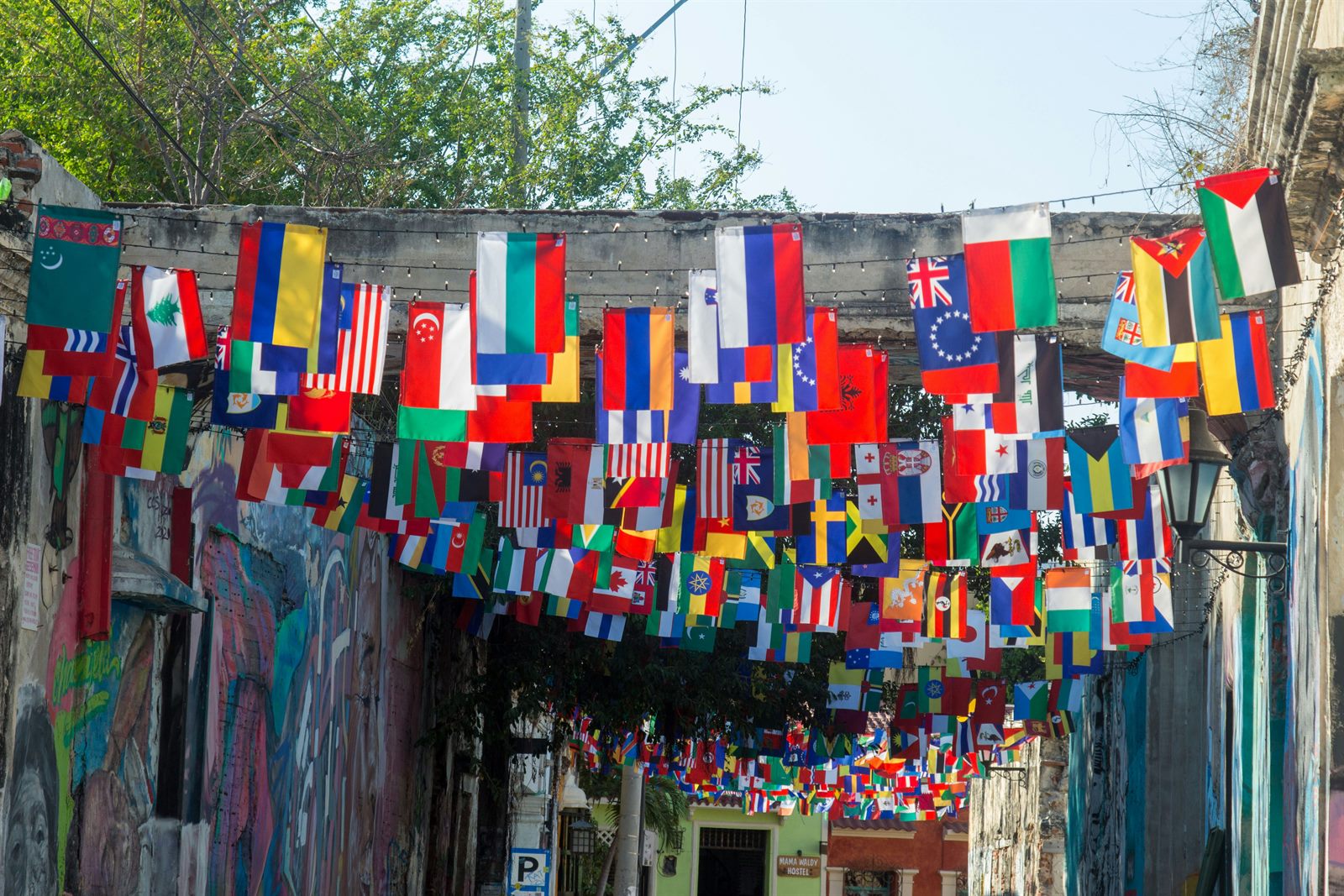
When the Berlin Wall fell in 1989, it was read as a prophecy: the age of walls was over, and a connected, borderless world was arriving. The prophecy was half right. Ideas, money, and images now cross frontiers at the speed of light. But the other half went the opposite way. Since that supposedly borderless dawn, the number of walls and fortified fences between countries has multiplied several times over, from a small handful to more than seventy barriers stretching across tens of thousands of kilometres.
This is the paradox at the heart of our era. The same decades that gave us the global internet, cheap flights, and integrated economies also gave us the most walled world since antiquity. The question is whether this contradiction resolves — whether the logic of connection eventually dissolves the barriers — or whether the two trends keep running side by side, a world that is digitally open and physically fortified at once. This is a forecast about which force wins on the ground: the bridge or the wall.
What the Evidence Shows
The numbers are stark. At the end of the Cold War, roughly a dozen border walls or fences existed worldwide. Today the figure is well over seventy, and new ones are announced or extended nearly every year. Barriers now line frontiers across the Americas, Europe, the Middle East, and South and Central Asia. What was once an exceptional response to a specific conflict has become a routine tool of statecraft, reached for almost reflexively when a border feels threatened.
The drivers cluster into a few recurring anxieties. Migration pressure is the most cited: as displacement rises, states along the routes build to channel or deter arrivals. Security fears — terrorism, smuggling, and hostile neighbours — supply a second motive. And walls are potent political symbols, offering leaders a visible, concrete demonstration that they are "doing something," regardless of how well the barrier actually works. That symbolic value is precisely why they proliferate even when analysts doubt their effectiveness.
"We built a world where a message crosses the planet in a heartbeat and a person cannot cross a river without a wall in the way. The 21st century is both the most connected and the most fortified in history."
— Transnational Institute — Border Wars Briefing, 2024Crucially, the connection and the fortification are not really in tension from a state's point of view — they are two sides of the same strategy. Governments want the flows they profit from (goods, capital, tourists, data) and want to filter out the ones they fear (irregular migrants, weapons, adversaries). A wall is a sorting machine: it slows the unwanted while lanes and servers wave the wanted through. Seen that way, an open-yet-walled world is not a contradiction at all but a deliberate design, which is exactly why it is likely to persist and deepen.
"A message crosses the planet in a heartbeat. A person still meets a wall. That is the century we built."
Why This Is Happening
Displacement is rising and will keep rising. Conflict, economic collapse, and increasingly climate stress are pushing record numbers of people to move. Every surge in migration triggers political demand for visible control, and walls are the most tangible answer available. As the pressures driving displacement intensify toward mid-century, the impulse to fortify intensifies with them.
Walls are politically irresistible even when they underperform. A barrier is something a leader can point to, photograph, and campaign on. Its symbolic payoff is immediate and its costs are diffuse and deferred. That asymmetry means politicians keep choosing walls over subtler, more effective policies, because the wall wins the argument even if it loses the problem.
Technology is fusing with concrete, not replacing it. Modern borders pair physical barriers with sensors, drones, cameras, and databases into layered "smart" frontiers. Rather than making walls obsolete, digital tools make them more capable and more attractive, extending the fortification impulse into surveillance. The border of the future is a hybrid: steel plus software, watching as much as blocking.
What Could Happen
The count of walls and smart barriers continues climbing as migration and security pressures grow, while trade, data, and travel keep integrating in parallel. The world settles into a stable paradox: digitally borderless, physically fortified, with layered surveillance frontiers becoming the global norm rather than the exception.
Major climate displacement, regional conflict, or economic shocks trigger a wave of new barriers and hardened borders faster than today's trend implies. Fortification becomes a defining feature of international politics, with even historically open borders reinforced and free-movement zones strained or partly rolled back.
Renewed multilateral migration agreements, regional integration, and a shift toward managed legal pathways make walls politically and practically unnecessary in places. Some barriers come down, and the count stabilises or falls. Possible, but against the grain of current pressures and politics.
What Can We Do
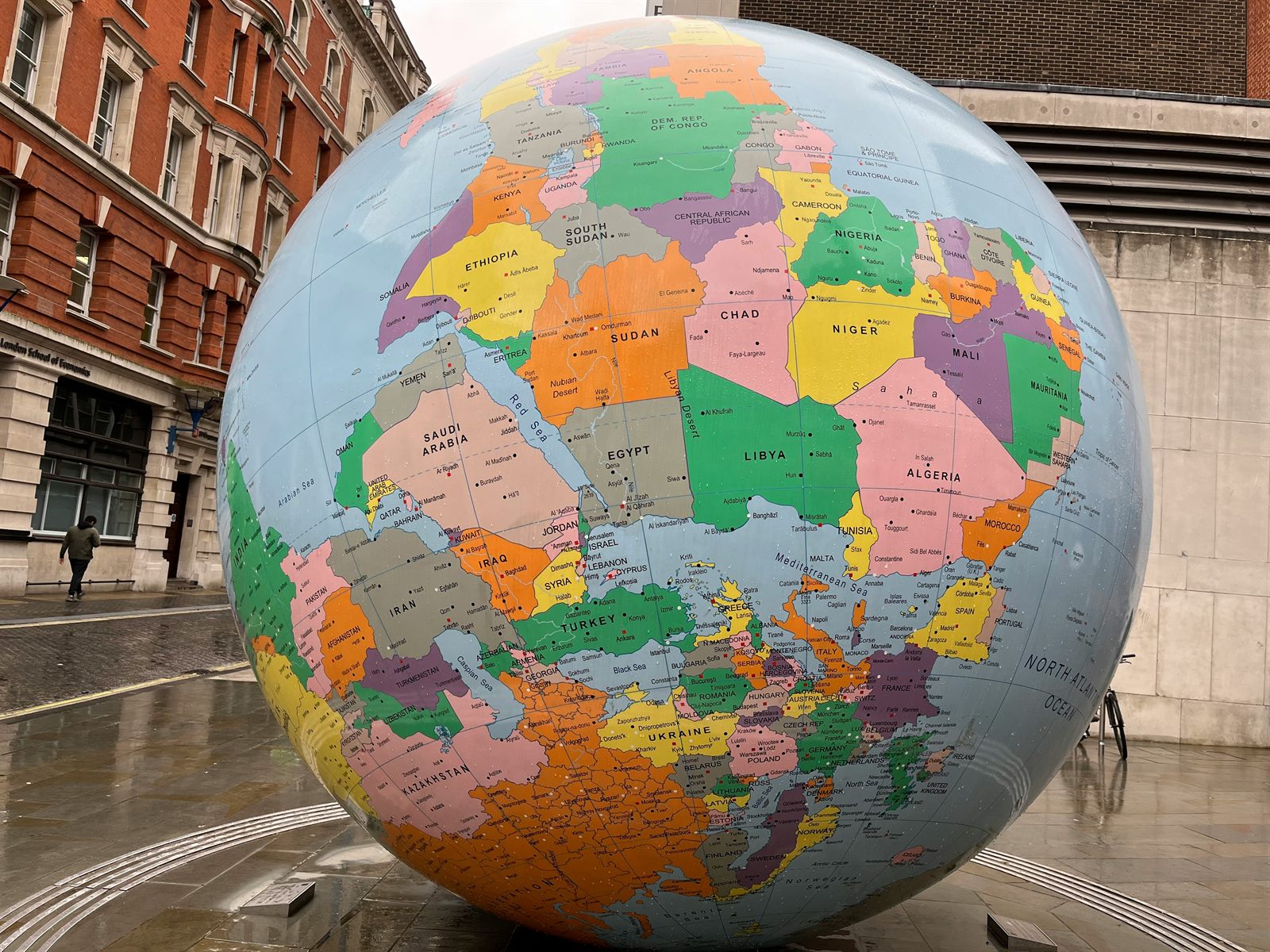
Walls are decided far above the individual, but the pressures behind them and the way we respond to them are open to influence. A more humane border regime is a choice, not an inevitability.
See past the symbol to the effect. Walls are sold on emotion and reassurance; their real record on migration and security is mixed at best. Judging border policy on evidence rather than imagery is the first step to demanding solutions that actually work, rather than expensive monuments that mostly move the problem elsewhere.
Support legal pathways, not just barriers. Most experts agree that orderly, legal routes for migration and refuge reduce the desperate, dangerous crossings that walls are built to stop. Backing well-managed visa and asylum systems tackles the pressure at its source, which no amount of concrete can do on its own.
Address the drivers of displacement. People move because of war, poverty, and increasingly climate stress. Investment in stability, development, and climate resilience in origin regions does more to ease border pressure than any fence. The cheapest border policy is often the one that helps people not need to leave home.
Guard rights as borders go digital. Smart frontiers bring mass surveillance, biometric databases, and automated decisions about human lives. Insist on transparency, oversight, and legal protections so that the fusion of wall and software does not quietly erode the rights of everyone who crosses — or lives near — a border.
- Transnational Institute — Border Wars Briefing, 2024
- UNHCR — Global Trends in Forced Displacement, 2025
- Migration Policy Institute — Border Barriers Dataset, 2024
- Élisabeth Vallet — Research on Border Walls, University of Quebec, 2024
- International Organization for Migration — World Migration Report, 2024
- Forecast The World Research Desk — 800+ data sources