The Question
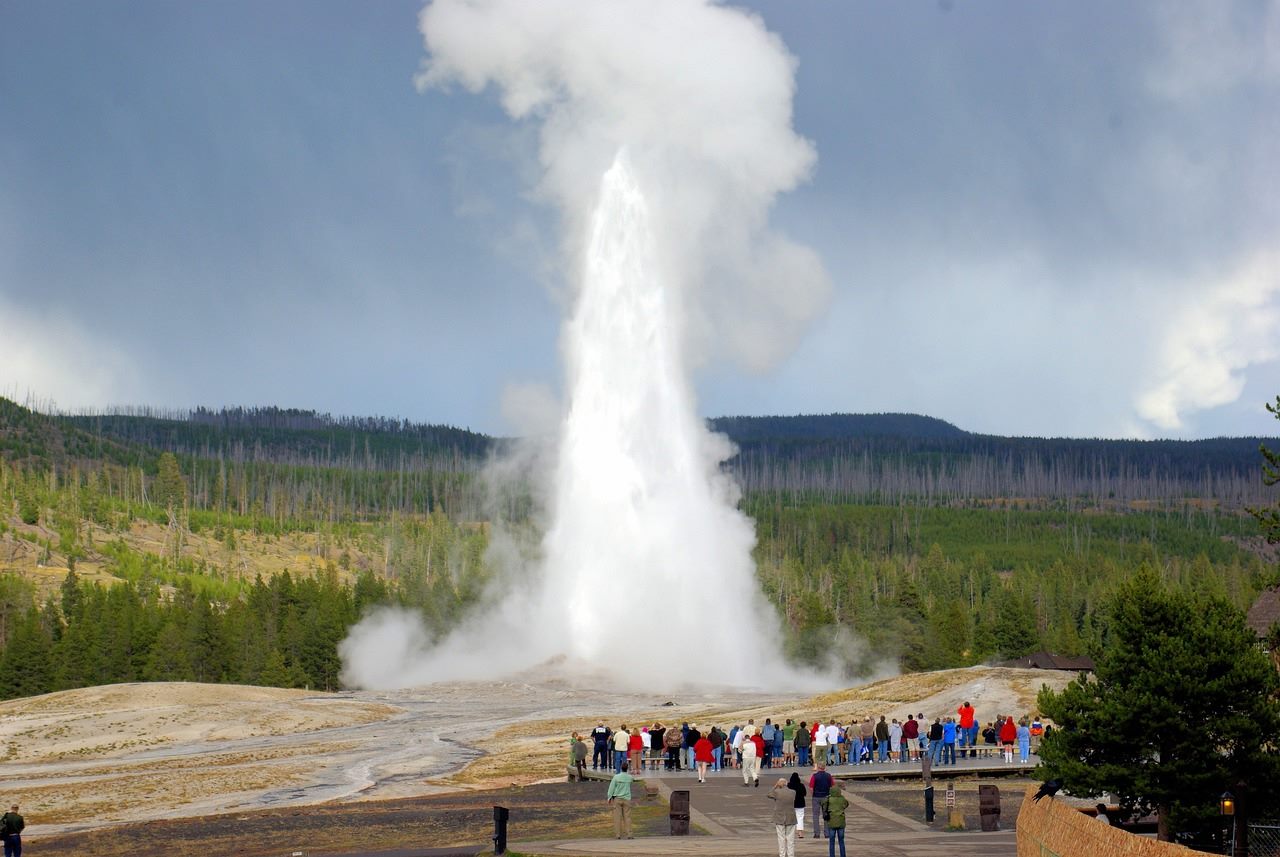
Yellowstone sits over one of the largest volcanic systems on Earth, and a certain kind of headline has taught millions of people to fear it. The truth is calmer. The US Geological Survey, which monitors the caldera constantly, puts the chance of a full super-eruption in any single year at about 1 in 730,000. The ground is not "overdue," and the science says the immediate risk to your life from Yellowstone is essentially zero.
But strip away the disaster fantasy and a genuinely remarkable fact remains: the heat beneath the western United States is one of the most concentrated natural batteries on the planet, and after a century of being technically out of reach, engineers have finally worked out how to tap it almost anywhere. The question is no longer whether Yellowstone will destroy us. It is whether the geology that makes the region so hot is about to quietly reshape how America keeps its lights on.
What the Evidence Shows
Yellowstone National Park itself is legally protected from drilling — no power company will ever sink a well beneath Old Faithful, and none is trying to. The real opportunity lies across the broader high-heat West: Utah, Nevada, and neighboring states where the same tectonic forces push scorching rock close to the surface without any national park in the way. There, a technology called enhanced geothermal systems, or EGS, is turning ordinary hot dry rock into a power source.
The method is easier to picture than it sounds. Engineers drill two or three kilometers down to rock that is hot but bone dry, crack it open to create pathways — borrowing the exact fracturing techniques the shale-oil industry spent two decades perfecting — then pump water down one well. The rock boils it, and the resulting steam rushes up a second well to spin a turbine. Unlike sun and wind, the heat never sets and never stops blowing, so the electricity flows around the clock.
"Conventional geothermal needed a rare accident of nature: hot rock, natural cracks, and water, all in the same spot. Enhanced geothermal supplies the cracks and the water ourselves. That single change turns a niche resource into a national one."
— US Department of Energy — GeoVision Analysis, 2023This is not a laboratory hope. In Nevada, the startup Fervo Energy ran a pilot called Project Red that successfully produced round-the-clock geothermal power using drilling rigs and sensors adapted straight from oil fields. Fervo is now building Cape Station in southwest Utah, one of the largest next-generation geothermal projects ever attempted, with hundreds of megawatts planned. Half a world away, Iceland's Krafla station has generated power beside an active volcano for decades, proving that geology like the West's can run a grid safely. The Department of Energy has set a formal target of cutting enhanced-geothermal costs by 90% by 2035 — the kind of goal that, once met for solar, unleashed an avalanche.
"The heat that people fear under Yellowstone is, a few states over, simply waiting to be plugged in."
Why This Is Happening
The drilling revolution already happened — it just happened in oil. For twenty years, the shale industry poured billions into learning how to drill precisely and fracture rock on demand. Geothermal companies inherited all of it for free: the rigs, the software, the sensors, the crews. What was impossibly expensive in 2005 is now routine, which is exactly why oil-field veterans, not idealists, are leading the new geothermal firms.
The grid is desperate for clean power that runs at night. Solar and wind are cheap but intermittent, and batteries only bridge hours, not seasons. Geothermal delivers steady, 24/7 "baseload" electricity — the always-on floor a grid needs — with almost no carbon. As data centers and electric vehicles drive demand upward, utilities are hunting for exactly this profile, and there are very few clean options that offer it.
The resource is enormous and sits under American soil. Government surveys estimate that enhanced geothermal could eventually supply a large share of US electricity, concentrated in the hot western states. It needs little land, produces no fuel waste, and cannot be embargoed. For a country anxious about energy security and supply chains, a heat source buried in Utah is politically irresistible.
What Could Happen
Costs fall as more wells are drilled, Cape Station and its successors come online, and utilities across the West sign long-term contracts for 24/7 clean power. Geothermal remains smaller than solar in total output but grows faster in percentage terms, becoming a standard tool in the clean-energy kit rather than an exotic experiment.
Drilling costs prove stubborn, a few high-profile wells underperform, and permitting drags. Geothermal still expands and proves itself in Utah and Nevada, but it stays a promising second-tier source through the early 2030s rather than a breakout star, with the real boom pushed toward 2040.
Fracturing hot rock can trigger small earthquakes, as an earlier project in Basel, Switzerland, found. If a Western project causes felt tremors, or if drought makes the water demand politically toxic, public opposition could freeze permits and slow the whole industry for years.
What Can We Do
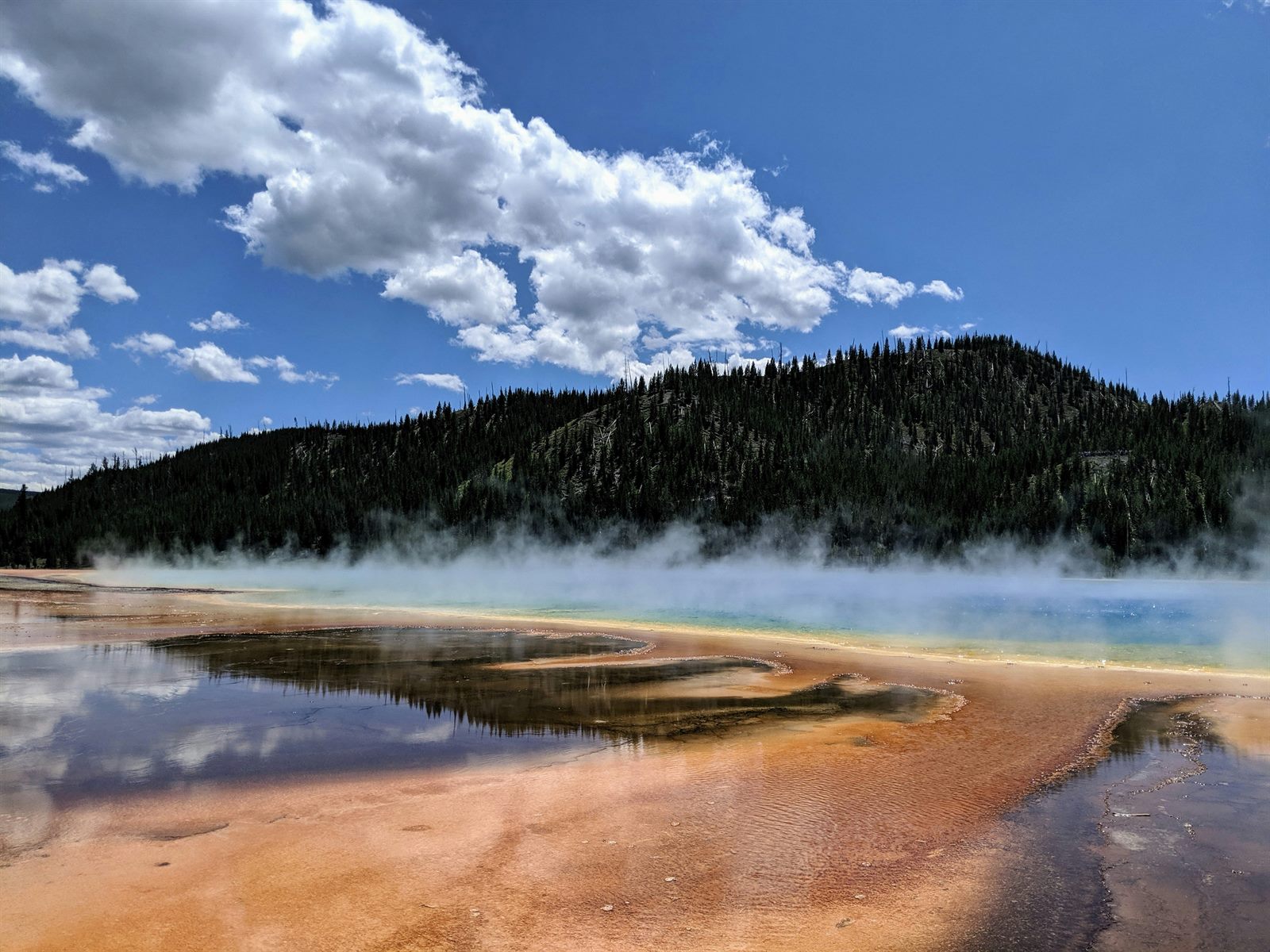
Geothermal is one of the rare clean-energy stories where public understanding lags far behind the science. Correcting a fear and backing a real solution are both within reach.
Separate the eruption myth from the energy fact. The next time a "Yellowstone is overdue" headline appears, remember the actual number — roughly 1 in 730,000 per year — and the fact that scientists monitor the caldera around the clock. Fear of a super-eruption is not grounded in the data; interest in the heat resource is.
Watch the projects that matter, not the volcano. Follow Fervo's Cape Station in Utah and the Department of Energy's cost targets rather than caldera scare stories. These are the real indicators of whether the revolution is on track, and their progress reports are public.
Support honest siting and seismic monitoring. Enhanced geothermal can cause small quakes if done carelessly. Back projects that publish their seismic data and set clear shut-off rules, and be wary of any developer that hides that risk. Done right, the tremors are minor; done recklessly, they can sink public trust for a decade.
Push for geothermal in the clean-energy conversation. Solar and wind dominate the debate, but a grid running only on intermittent power is fragile. Ask that your state's clean-energy plans include always-on sources like geothermal, so the lights stay on after the sun goes down.
- US Geological Survey — Yellowstone Volcano Observatory Eruption Probability Statement, 2024
- US Department of Energy — GeoVision and Enhanced Geothermal Earthshot Reports, 2023–2025
- Fervo Energy — Project Red and Cape Station Technical Disclosures, 2024
- National Renewable Energy Laboratory — EGS Resource Assessment, 2024
- Icelandic National Energy Authority — Krafla Geothermal Operations Review, 2023
- Forecast The World Research Desk — 800+ data sources