The Question
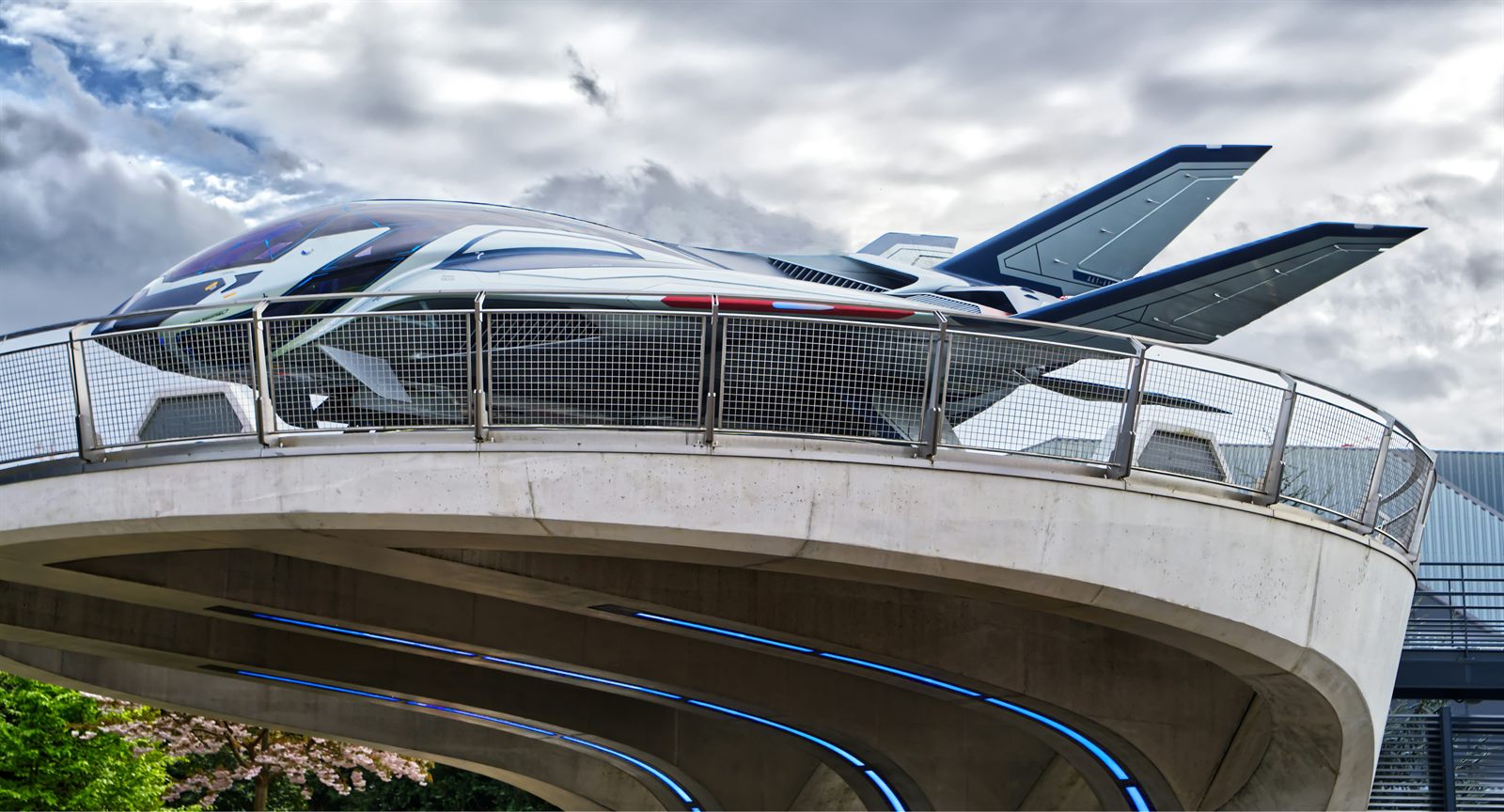
It is a Tuesday morning in 2030, and you have a 9:40 flight out of JFK. The old you would have left Manhattan ninety minutes early to crawl through Queens. Instead you ride an elevator to a rooftop, walk twenty steps to a machine that looks like a giant, friendly drone with seats, and buckle in beside three strangers. The rotors spin up with a hum no louder than a dishwasher. Seven minutes later you are at the airport, mildly annoyed that the window seat was taken.
The machine is an eVTOL — electric vertical takeoff and landing aircraft, which is engineer-speak for exactly what it sounds like: an aircraft that rises straight up like a helicopter but runs on batteries and propellers instead of screaming turbines. Dozens of companies have spent over $15 billion building them. The question is no longer whether they fly — they demonstrably do — but whether they clear the two towers of paperwork and physics standing between test flights and your Tuesday commute.
What the Evidence Shows
Start with the fact most people miss: flying taxis are already in commercial service. China's EHang received the world's first type certificate for an autonomous passenger drone in 2023 — no pilot on board at all — and has been flying paying sightseers in Guangzhou and other cities since. It is a short-hop, low-altitude service, but it settles the existence question: regulators can certify these machines, and the public will climb in.
In the West, the race is between two Californian companies. Joby Aviation has flown well over a thousand test flights, is deep into the US Federal Aviation Administration's certification process — the same gauntlet a new Boeing must survive — and has agreements to launch commercial service in Dubai, with vertiport construction already underway. Archer Aviation's Midnight aircraft has a headline customer in United Airlines, which ordered up to $1.5 billion worth of aircraft to shuttle passengers to its hub airports. Germany's Volocopter came within a bureaucratic whisker of flying passengers over the 2024 Paris Olympics, completing demonstration flights over the Seine even though full passenger service was not cleared in time.
"The technology is no longer the long pole in the tent. These aircraft fly, and they fly well. What remains is the slow, unglamorous work of proving to regulators that they can fly a hundred million times without a bad day."
— Aviation Week & Space Technology — "The eVTOL Certification Marathon," 2025The noise numbers matter more than they sound. A helicopter announces itself from a mile away; an eVTOL in cruise produces a fraction of the acoustic footprint — Joby measures its aircraft at roughly the loudness of a normal conversation from the ground, up to a hundred times quieter in perceived terms than the helicopters it replaces. That is not a comfort feature. It is the political permission slip: cities banned helicopter networks because voters could hear them. A quiet aircraft can land where a loud one never could.
"Every generation was promised a flying car. This generation gets something better: a flying bus stop on the roof."
Why This Is Happening
Batteries finally got good enough — barely. Energy density, the amount of power a battery packs per kilogram, has roughly tripled since 2010. That is just enough for 25 to 100-mile hops with reserves, which happens to be exactly the distance of the world's most painful commutes. The margins are thin, which is why every eVTOL looks obsessively lightweight — but thin margins are how aviation always begins.
Airlines and governments want this, not just startups. United, Delta, Toyota, Stellantis, and the governments of Dubai, Singapore, and Saudi Arabia have poured money into eVTOLs — because airport transfers are a proven, premium market that exists today. Helicopter shuttles already fly Manhattan-to-JFK for around $200 a seat. The eVTOL pitch is the same trip, quieter, cheaper to operate, and eventually at Uber Black prices.
Certification, the real bottleneck, is measurably moving. The FAA published its final powered-lift pilot and operations rules in 2024 — the first new category of civil aircraft rules since helicopters in the 1940s. That is the regulatory equivalent of pouring the foundation: slow, invisible, and the thing everything else stands on.
What Could Happen
Dubai and Chinese cities operate first, followed by Gulf neighbours, then US airport shuttles with United and Delta partners in New York, Los Angeles, and San Francisco. Early fares sit at helicopter prices — $150 to $300 a seat — falling as fleets grow. By 2030, taking an air taxi to the airport is expensive but unremarkable in a handful of cities, the way a helicopter transfer is today, but quieter and bookable in an app.
The FAA's caution — hardened by Boeing's scandals — stretches Western certification past 2028. Dubai and China run real services while American and European aircraft remain in testing. The industry consolidates around the best-funded two or three players, and the five-city milestone arrives in 2032 instead: a delay, not a cancellation.
A fatal accident in the first years of service — mechanical, battery fire, or vertiport collision — triggers groundings and a public-confidence winter, as happened to airships and supersonic passenger flight. Investment flees, and urban air travel retreats to cargo and medical flights for a decade while the safety case is rebuilt.
What Can We Do
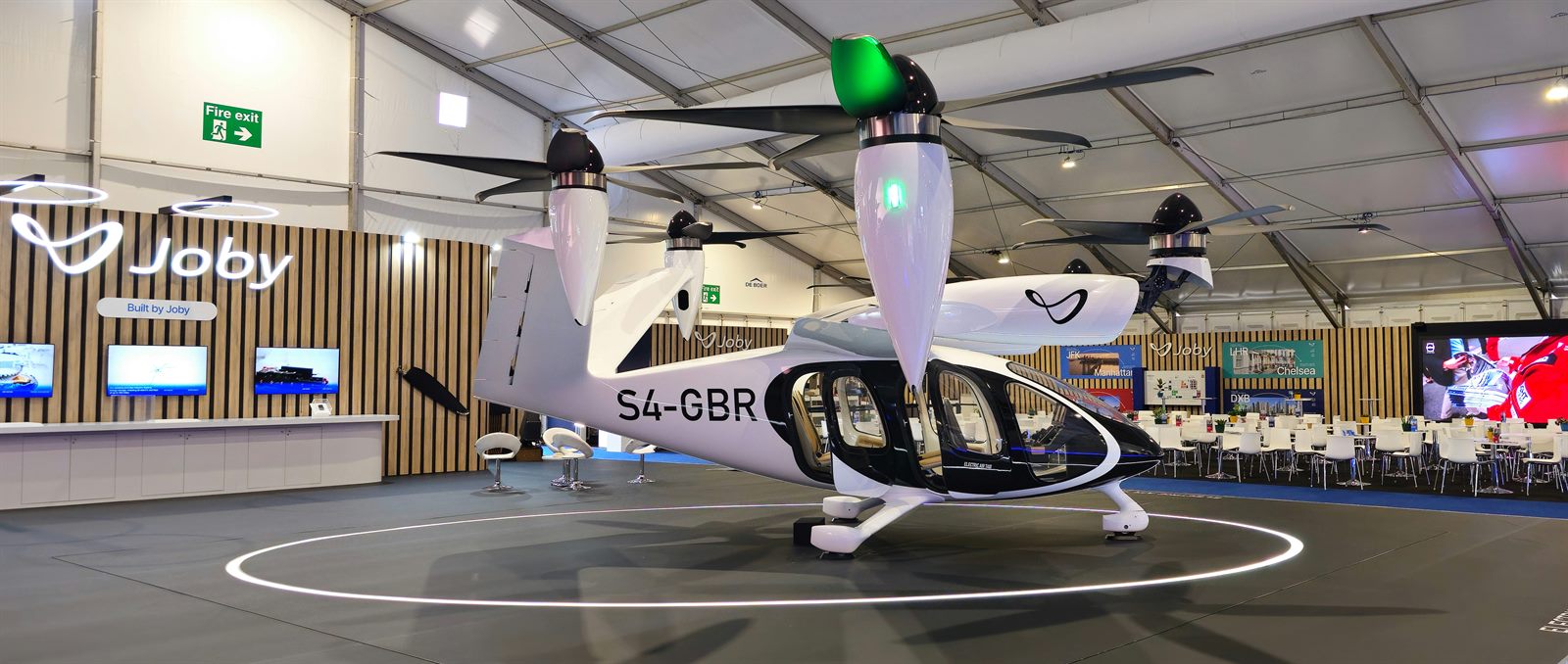
You will not need to buy anything — this future arrives as a button in a ride-hailing app. But you can position yourself, and your city, to meet it well.
If your city debates vertiports, show up informed. Vertiports — the rooftop and riverside pads where air taxis land — will be fought over in zoning meetings, not laboratories. The questions that matter are noise limits, flight corridors over parks and schools, and whether stations serve commuters or only the airport premium crowd. Residents who engage early shape routes; residents who do not get flown over.
Judge the service by boring aviation math, not vibes. When services launch, safety statistics will be published per flight hour, exactly like airlines. Commercial aviation is the safest form of travel ever built because of that discipline. Give the new aircraft the same test — and the same benefit of the data.
Expect helicopter prices first, and plan accordingly. Early flights will cost $150 to $300 a seat. If that is not you, wait: every aviation technology from the jet to the transatlantic flight followed the same slope from luxury to mundane. The sensible year to start budgeting air taxis into your commute is around 2033, not 2028.
Watch two signals to know the forecast is landing. First: FAA type certification of Joby or Archer — the single loudest starting gun. Second: a second Gulf or Asian city opening scheduled service. When both happen, the seven-minute airport run is roughly three years from your rooftop.
- FAA — Powered-Lift Special Federal Aviation Regulation, Final Rule, 2024
- Civil Aviation Administration of China — EHang EH216-S Type Certification, 2023
- Aviation Week & Space Technology — "The eVTOL Certification Marathon," 2025
- McKinsey & Company — Advanced Air Mobility Market Outlook, 2025
- Nature Energy — "Battery Energy Density Requirements for Electric Flight," 2024
- Forecast The World Research Desk — 800+ data sources