The Question
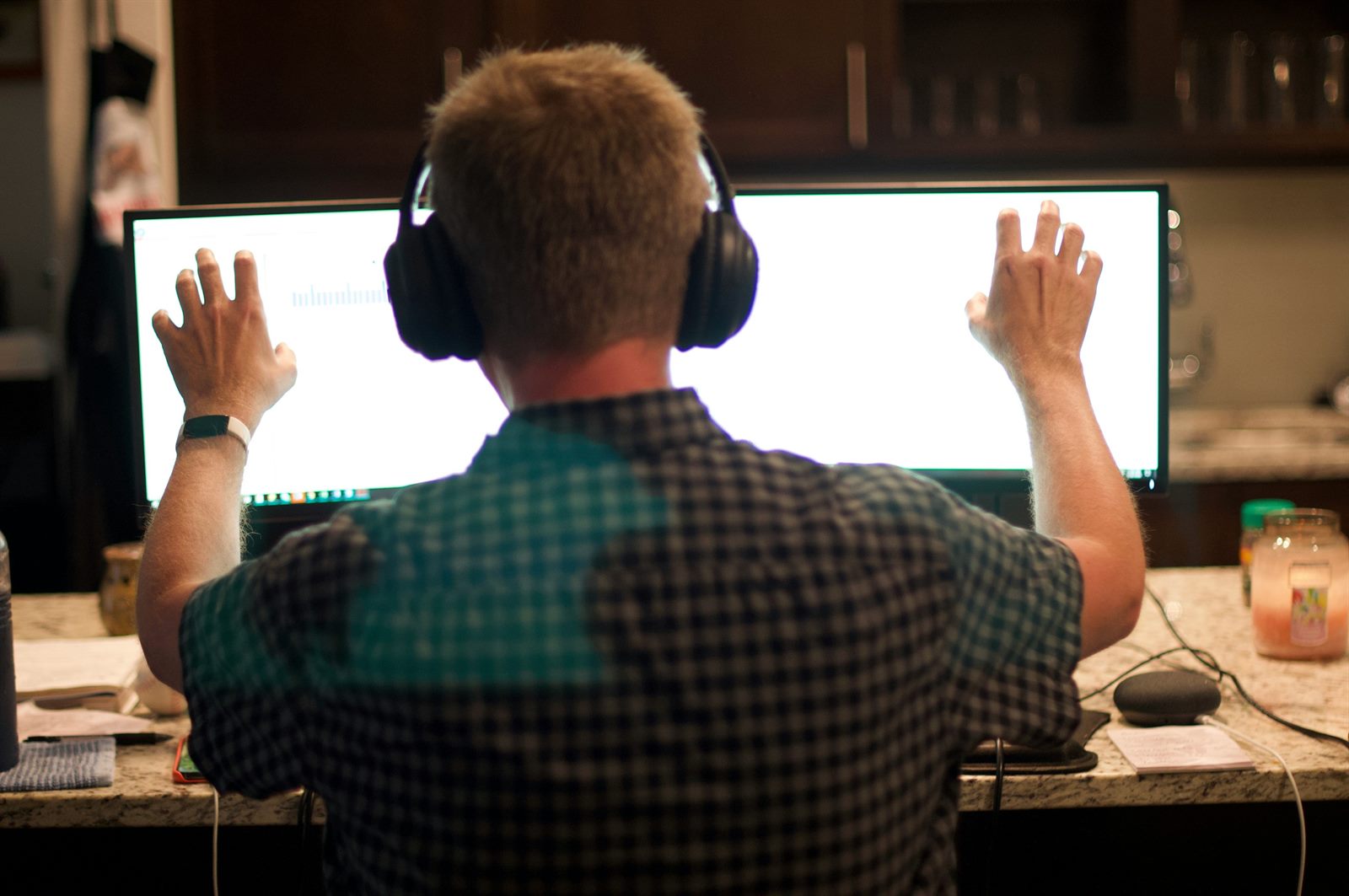
Look down at your keyboard. The letters are arranged in an order called QWERTY, invented in 1873 by a newspaper editor named Christopher Latham Sholes. He did not arrange them for speed. He arranged them to slow typists down, because fast typing made the mechanical arms of early typewriters collide and jam. That anti-jamming workaround outlived the typewriter, colonised the computer, then shrank onto a glass screen where there are no arms to jam — and where your thumbs now peck at keys designed for ten fingers and a machine that no longer exists.
We kept it because everyone already knew it. But habits built on dead constraints do not survive forever. A Stanford study found that speaking to a phone produces accurate text roughly three times faster than typing with thumbs. Speech recognition systems have crossed the threshold of human transcription accuracy. And a new generation of gesture devices promises typing with no keyboard at all. The question is not whether the keyboard can be beaten. It already has been. The question is when we stop reaching for it.
What the Evidence Shows
Start with speed. The Stanford-University of Washington study that tested voice against thumbs found voice input was about three times faster in English and even faster in Mandarin, with lower error rates once automatic correction was included. That result came from 2016-era recognition technology. Today's systems, powered by the same deep-learning methods behind chatbots, transcribe conversational speech with fewer errors than professional human transcribers in benchmark tests — including accents, background noise, and mumbles that would have broken older software.
Behaviour is shifting to match. WhatsApp users now send around 7 billion voice messages every single day. Among Gen Z, voice notes have become a default way to communicate — not a novelty, a norm. Dictation, once the habit of doctors and executives, is quietly booming: writers dictate first drafts on walks, and phone keyboards now put the microphone button front and centre because usage data demands it.
"Every interface in computing history that required humans to adapt to the machine has eventually been replaced by one where the machine adapts to the human. The keyboard is the last great holdout, and its exemption is expiring."
— MIT Technology Review — "The Post-Keyboard Interface," 2025Then there is gesture. Apple Vision Pro users type in mid-air by pinching their fingers while looking at letters — clumsy today, but a first draft. The more radical device is Meta's neural wristband, developed from its CTRL-labs acquisition. It reads the electrical signals your brain sends down the motor nerves to your hand — meaning it detects the typing your fingers intend to do, even if they barely move, even with no keyboard present. Demonstrations show people typing on a tabletop, or on nothing at all. Your hand becomes the keyboard.
"Your keyboard layout was designed to prevent a mechanical jam in 1873. You are still paying that tax with every message you send."
Why This Is Happening
Speech recognition finally works — and that changes everything downstream. For decades, dictation lost to typing because fixing recognition errors cost more time than typing saved. That equation has flipped. Modern systems understand context, punctuate automatically, and let you edit by voice: "delete that last sentence." Once the error-correction tax disappears, voice's raw speed advantage — humans speak at roughly 150 words per minute and thumb-type at about 40 — becomes decisive.
A generation is growing up voice-first. Children who learned to talk to smart speakers before they could spell treat voice as the natural way to command a machine. Gen Z's 7-billion-a-day voice note habit is the leading edge. For them, typing a long message can feel like the formal, effortful option — the way handwriting a letter feels to their parents.
The screens are shrinking and the keyboards can't follow. Smart glasses, earbuds, and watches are becoming the fastest-growing computing devices, and none of them has room for a keyboard. If you want to answer a message from your glasses, you will speak it or gesture it. Every device sold without keys is a vote for the post-keyboard world — and the hardware giants know it, which is why Meta is betting on nerve-reading wristbands and Apple on eye-and-pinch input.
What Could Happen
Casual text — messages, searches, notes, emails — flips to voice-first, with AI cleaning up the words as you speak. Gesture wristbands handle quiet places: the train, the meeting, the library. Physical keyboards persist for professionals but become what the stick shift is to drivers — a specialist's tool and an enthusiast's pleasure. By 2032, most text created by ordinary users never touches a key.
Voice dominates cars, homes, and messaging but stalls in offices and public spaces, where nobody wants colleagues or strangers hearing their drafts. Neural wristbands prove harder to manufacture at consumer prices than demos suggested, slipping to the mid-2030s. The keyboard holds its share among knowledge workers, and typing remains a rough 50/50 partner rather than a fallen king.
Editing, precision, and privacy keep typing dominant for anything longer than a text message. Voice remains a dictation accessory, gesture remains a gaming gimmick, and QWERTY celebrates its 175th birthday in 2048 still on every desk — the cockroach of interface design, surviving every extinction event.
What Can We Do
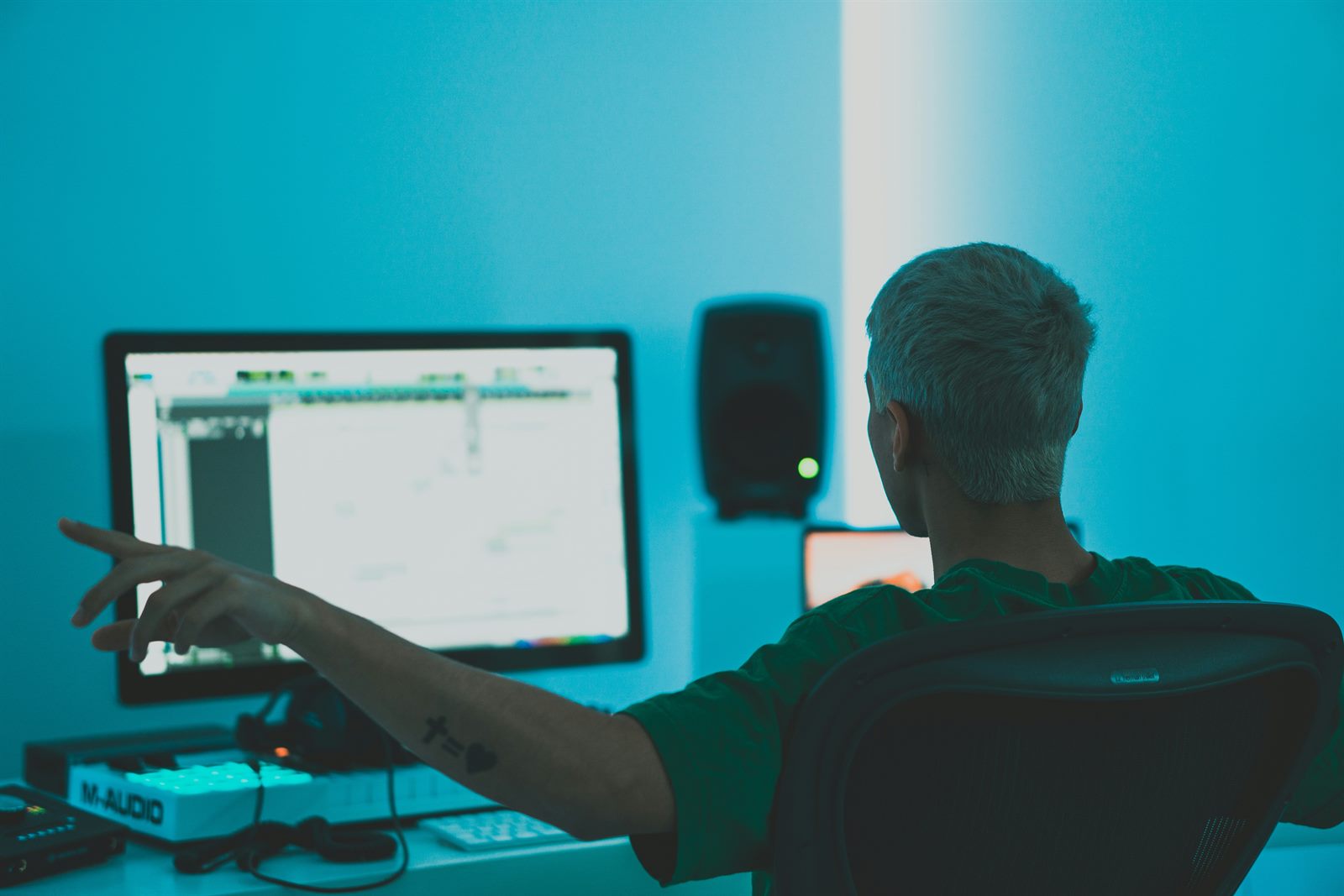
You do not have to wait for 2032. The transition is available now, and the people who adapt early will feel the benefit in hours reclaimed every week.
Try dictation for one week on messages and emails. Your phone's microphone key already uses the new generation of recognition. Most people who commit to seven days report they never fully go back — the speed difference is that stark. Start with low-stakes texts and let the habit climb.
Learn to edit by voice, not just compose. The skill that separates frustrated dictators from fluent ones is speaking commands: new paragraph, delete that, replace X with Y. Ten minutes of practice removes most of the friction that made dictation feel clumsy.
If your work is keyboard-heavy, watch the wristband space. Meta's neural band is expected to ship alongside its smart glasses. If it works as demonstrated, silent gesture typing solves the open-office problem that voice cannot — and early fluency will be a genuine workplace advantage.
Teach children both. Typing will remain a required skill for at least another decade, especially in exams and professional software. But a child fluent at composing, structuring, and editing text by voice is learning the native interface of the 2030s. Treat it like a language: earlier is easier.
- Stanford University / University of Washington — "Speech Is 3x Faster than Typing for Mobile Text Entry," HCI Study
- Meta Reality Labs — sEMG Neural Wristband Research Publications, 2024–2025
- WhatsApp / Meta — Voice Message Usage Statistics, 2024
- Microsoft Research — Conversational Speech Recognition Human Parity Milestone
- MIT Technology Review — "The Post-Keyboard Interface," 2025
- Forecast The World Research Desk — 800+ data sources