The Question
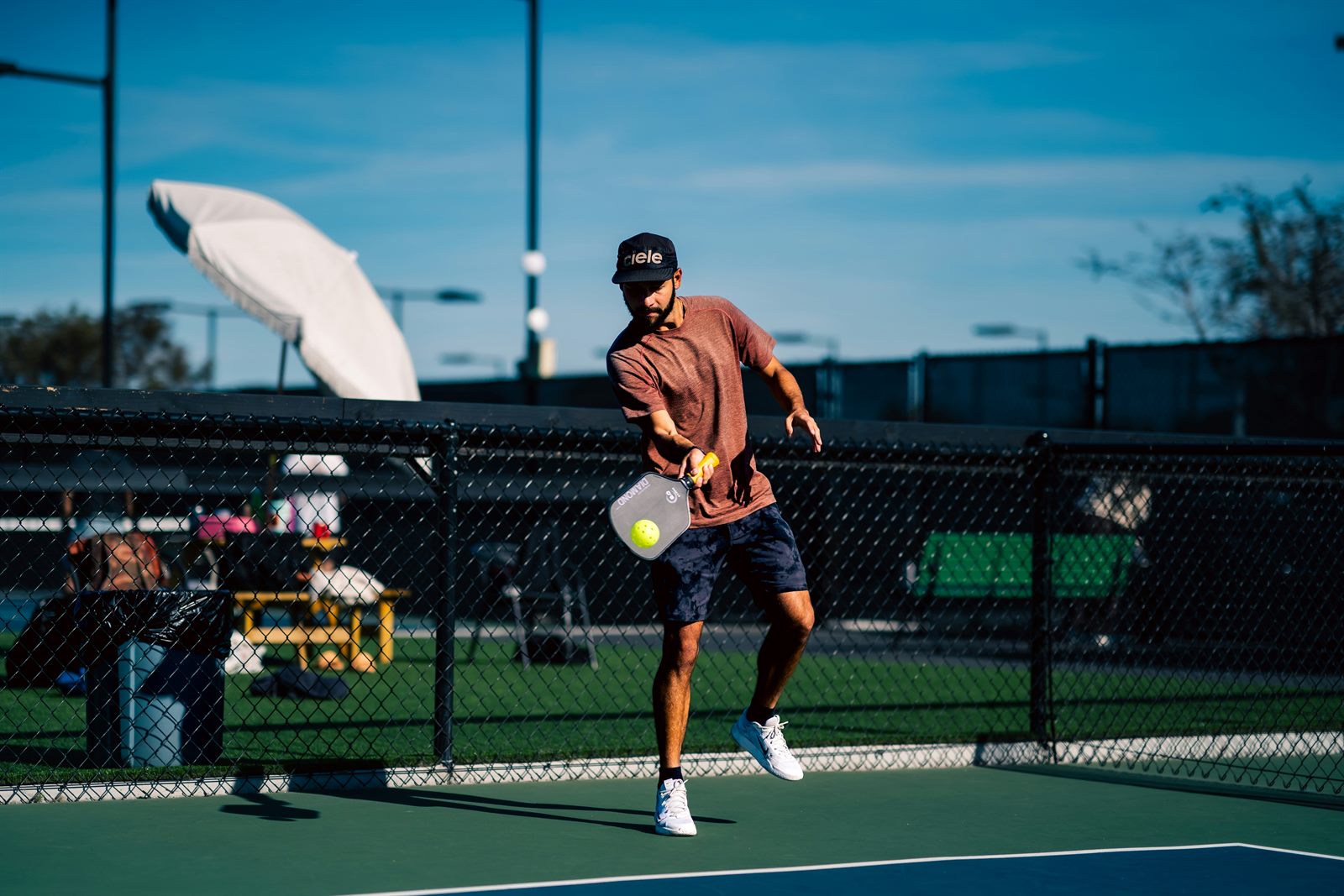
For a hundred years, if you picked up a racket, you were almost certainly playing tennis. It was the default — the sport of the club, the Grand Slam, the summer afternoon. Its dominance felt permanent, backed by history, television, and Wimbledon whites. The idea that two upstart paddle games could challenge it would have sounded absurd a decade ago.
It does not sound absurd now. In garages, on cruise ships, and behind glass walls in Madrid and Dubai, two sports are exploding at a speed tennis never matched. So the question is no longer whether padel and pickleball are fads. It is whether, together, they overtake tennis in sheer number of regular players. On current growth curves, that crossover is not a wild bet — it is a near-term expectation, and by 2031 it looks more likely than not.
What the Evidence Shows
Pickleball's numbers read like a misprint. The Sports & Fitness Industry Association has named it America's fastest-growing sport for three straight years, with participation blowing past 14 million and still surging. LeBron James and Tom Brady have bought into pro teams. Major League Pickleball and rival tours are drawing crowds and sponsors. A sport invented on a driveway in 1965 has become a genuine cultural wave, played by grandparents and gym rats alike.
Padel is the global counterpart. It counts an estimated 25 million players across dozens of countries, and in Spain it trails only football as a national obsession. Argentina, Sweden, Italy, and the Gulf states are building courts at a furious pace. Qatari and Saudi money launched Premier Padel to professionalize the tour. Where pickleball owns America's backyards, padel owns Europe and the Middle East's glass-walled courts — and both are compounding fast.
"Tennis is a sport you spend years learning to enjoy. Padel and pickleball are sports you enjoy on day one. In a world of infinite distractions, the game that rewards you immediately wins the beginner — and the beginner is the whole market."
— Participation Sports Monitor — "The Paddle Boom," 2025The physical footprint tells the rest of the story. A single tennis court can be converted into two or three pickleball courts, so a club that switches multiplies its playable slots overnight — a powerful economic nudge that is already driving conversions and bitter member disputes. Tennis, meanwhile, faces an aging participant base in many markets. The new games skew younger, more social, and cheaper to run, and the infrastructure is quietly flipping beneath the sport's feet.
"The racket sport of the next decade may be the one your grandmother taught you last weekend."
Why This Is Happening
They are radically easier to learn. Tennis demands technique, timing, and stamina before it becomes fun. Padel and pickleball are enjoyable within minutes: smaller courts, slower balls, walls or dinks that keep rallies alive. Beginners feel competent immediately instead of humiliated for months. In the contest for new players, the sport with the gentlest on-ramp wins by default, and tennis has the steepest ramp in the racket world.
They are social by design. Both games are played almost exclusively as doubles, so every session is four friends, banter, and a drink afterward rather than a solitary grind. Padel's enclosed court and pickleball's short lines keep everyone close and talking. In an era craving in-person connection, a sport that is really a social event has an enormous edge over one built around individual duels.
The economics favor the newcomers. Cheaper courts, smaller spaces, and higher throughput mean clubs and cities can serve more players for less money. Fit two or three pickleball courts where one tennis court stood, and revenue per square foot leaps. Investors, celebrities, and sovereign funds have noticed, pouring money into leagues and facilities — capital that accelerates the very growth it is betting on.
What Could Happen
Pickleball keeps compounding across North America and Asia while padel keeps sweeping Europe, the Middle East, and Latin America. Clubs convert courts, celebrity-owned leagues normalize the sports, and the low barrier to entry pulls in millions of first-timers a year. Their combined regular-player count passes tennis before 2031, and your local club has more paddle courts than tennis ones.
Padel and pickleball dominate casual and social participation, yet tennis retains its deep, dedicated base, junior pathways, and global professional prestige. The paddle games win the raw headcount of occasional players while tennis stays the serious athlete's racket sport. The crossover happens on loose definitions of "regular player" but the picture is genuinely mixed.
Pickleball's relentless pok-pok triggers noise lawsuits and court bans, novelty fades in early-adopter markets, and purists and neighbors push back hard against conversions. Padel stalls outside its strongholds for lack of courts. Growth plateaus below tennis's global base. This requires the boom to break across multiple continents at once — plausible in pockets, unlikely everywhere simultaneously.
What Can We Do
Whether you are a tennis lifer, a curious beginner, or a club owner staring at a conversion decision, this shift rewards people who read the trend early and shape it thoughtfully rather than fighting the tide or trampling the neighbors.
Just try it — you will probably be hooked. The whole point of these games is that they are fun on the first day. Grab three friends, book a court, and see why millions have switched. You do not need lessons or talent, only an afternoon. The low barrier that is reshaping the sport is also your easiest invitation in.
Clubs: convert thoughtfully, not ruthlessly. The economics of fitting more courts in less space are real, but so is the loyalty of long-time tennis members. Add padel and pickleball, mediate the turf wars fairly, and manage noise with barriers and hours so you grow the community instead of splitting it.
Be a good neighbor about the noise. Pickleball's sharp pok-pok has sparked genuine lawsuits. Support quieter paddles and balls, sensible court placement, and reasonable playing hours. The fastest way to get a beloved new sport banned is to ignore the people trying to sleep next to it.
Keep tennis alive alongside, not instead. A racket revolution does not have to kill the classic game. Champion junior tennis, watch the Slams, and treat the paddle boom as an expansion of racket sport rather than a funeral for it. The healthiest future has more people holding rackets of every kind.
- Sports & Fitness Industry Association — Topline Participation Report, 2025
- International Padel Federation — Global Participation Data, 2024
- Premier Padel — Tour & Investment Overview, 2025
- Major League Pickleball — League Growth Briefing, 2025
- Participation Sports Monitor — "The Paddle Boom," 2025
- Forecast The World Research Desk — 800+ data sources