The Question

Every ingredient for a movie that stars you is already on the shelf. Face-swap apps can put your features onto another body. ElevenLabs can clone your voice from a minute of audio. Sora and Veo can generate whole cinematic scenes from a sentence. Netflix's Bandersnatch proved audiences will happily steer a story. And personalized children's books — where the hero shares your kid's name and hair color — have sold in the millions through companies like Wonderbly. The pieces are lying there, waiting to be assembled.
So the question is not whether the technology can put your face in a film — it plainly can, in fragments, today. The question is whether it becomes a real product: something you buy, gift, or subscribe to, where the star is you or someone you love. We put that at just under a coin flip by 2035 — genuinely uncertain, because the leap from a delightful thirty-second clip to a watchable, emotionally convincing story is larger than the hype admits.
What the Evidence Shows
Start with the precedent that already works: print. Personalized storybooks are a proven, profitable market — children open a book and find themselves as the hero, and parents buy it by the millions. That business establishes the core truth this whole forecast rests on: people will pay real money to see their loved ones inside a story. The demand is not speculative. It has been ringing tills for a decade.
Now layer on the moving-image tools. Personalized cameo videos, where a familiar character wishes your child a happy birthday by name, already sell. AI storybook apps drop a photo of a kid into an illustrated adventure. Voice cloning and text-to-video have each crossed from novelty into usable product within a couple of years. Meanwhile Hollywood has quietly built the legal scaffolding for likeness licensing — actors and estates now sign deals for the digital use of their faces — and that infrastructure, designed for stars, extends naturally down to ordinary consumers licensing their own.
"The personalized book proved the appetite two decades ago. The only thing that has changed is that the hero can now move, speak in your voice, and look back at you. The business model was always waiting for the technology to catch up."
— Interactive Media Review — "The Audience of One," 2025The honest obstacles are also clear-eyed. A charming clip is one thing; ninety minutes of coherent, emotionally resonant film is another. The uncanny valley bites hardest during sustained close-ups and real acting — a synthetic version of you crying or laughing has to earn belief for a long time, not a moment. That gap between a shareable novelty and a genuine feature is exactly why this forecast sits at 47 rather than 70.
"When anyone can be the hero, does being the hero still mean anything at all?"
Why This Is Happening
The component tools matured in parallel. Five years ago, face-swap, voice cloning, and video generation were separate research curiosities. Now each is a shipping consumer product, improving monthly. Personalization is simply what happens when you point all three at the same input — a photo, a voice sample, a name. No single breakthrough is required; the breakthrough is the integration, and integration is a matter of engineering, not invention.
Kids are the obvious first market. Children delight in seeing themselves as the hero without the self-consciousness adults bring. Animated, forgiving art styles also dodge the uncanny valley that photorealistic adult faces trip over. Expect the first real products to be children's adventures — starring your kid, in a cartoon world — before the technology graduates to convincing live-action features aimed at grown-ups.
The economics point toward the audience of one. Streaming already personalizes what you watch; the next frontier is personalizing what is inside what you watch. As generation costs fall, a studio can profitably make a film with an audience of a single family. Entertainment has spent a century chasing the mass audience. The tools now make the opposite bet — the intimate, bespoke, one-household story — commercially plausible for the first time.
What Could Happen
Starting with animated children's adventures and gift videos, personalization graduates into short, watchable films you can buy or subscribe to, with your child or family as the star. Adults follow cautiously. It is a genuine market — birthday gifts, keepsakes, novelty features — even if it never rivals blockbusters. The audience of one becomes a line item on a streaming service's menu, and "put us in it" becomes a normal request.
Face-swap birthday videos and photo-into-storybook apps thrive, but the jump to a full, emotionally convincing feature-length film never quite lands by 2035. The uncanny valley and the cost of sustained quality keep the product short and gimmicky. People love the thirty-second version and never ask for ninety minutes. Personalization is real but shallow — a party trick, not a genre.
High-profile abuse — someone's face used without consent, a child's likeness exploited — triggers strict likeness laws and platform bans. Watermarking and consent rules make casual personalization legally fraught, and the mainstream products retreat. The tech exists but the social license does not. This would take coordinated regulation moving faster than the industry, which history suggests is the harder bet.
What Can We Do
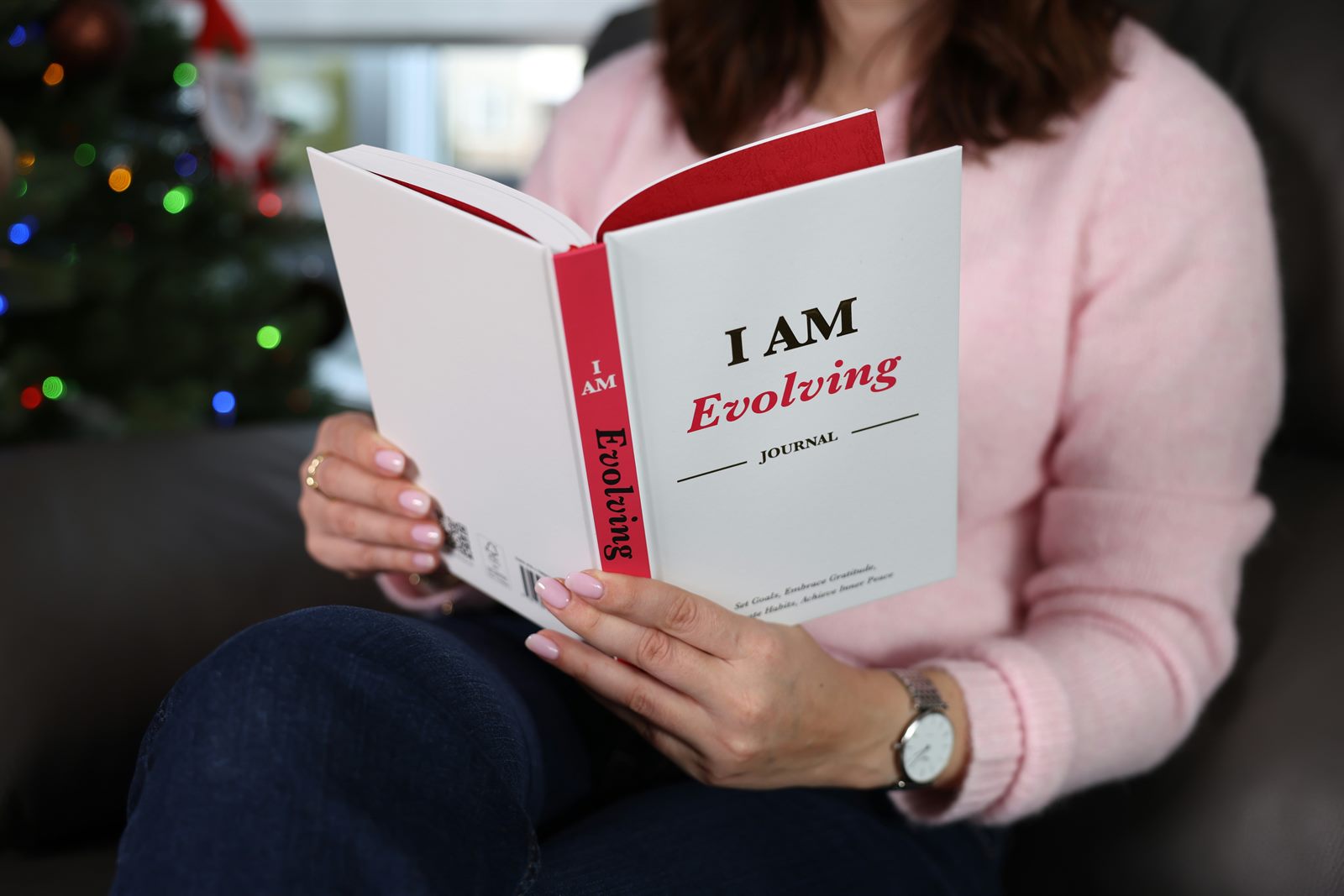
A world where you can be the main character is charming and unnerving in equal measure. The sensible response is neither to ban the delight nor to ignore the danger, but to set your own terms early.
Guard your likeness like a password. Your face and voice are becoming keys that unlock synthetic versions of you. Be deliberate about where you upload high-quality photos and voice samples, and teach children that their image is theirs to control. The same tools that make a joyful birthday film can make things you never consented to.
Insist on consent by design. Support products that require verified permission before rendering anyone's face, and refuse the ones that don't. The line between a lovely keepsake and a violation is consent — demand that it be built in, not bolted on after a scandal.
Use it for connection, and handle grief with care. One of the most moving possibilities is also the most delicate: a film that lets a grandparent, years gone, share one more scene with the family. Approached gently, with the family's blessing, that can be a gift. Approached carelessly, it can reopen a wound. Let the people who loved them lead, and treat the idea as tender, not a gimmick.
Keep perspective on what stories are for. Being the hero of everything can tip from delight into narcissism. Enjoy the novelty of starring in an adventure, then return to stories about other people — the ones that stretch your empathy rather than reflect your face. Personalization is a spice, not the whole meal.
- Wonderbly — Personalized Books Sales Overview, 2025
- ElevenLabs — Voice Cloning Product Documentation, 2025
- OpenAI Sora and Google Veo — Text-to-Video Releases, 2025
- Netflix — Bandersnatch Interactive Film Case Study, 2018
- Interactive Media Review — "The Audience of One," 2025
- Forecast The World Research Desk — 800+ data sources