The Question

Picture a night at the movies in 2032. You booked your reclining leather seat a week ago, the way you'd book a restaurant. A server brings cocktails to your armrest during the trailers. The screen is five stories tall, the sound rattles your sternum, and the ticket cost more than your monthly streaming bill. It was worth it — because the only films that play here anymore are the ones built for a room like this. Everything else, you watched at home weeks ago.
The multiplex as your parents knew it — twelve identical rooms, sticky floors, take-whatever-seat — is quietly disappearing. The question is not whether theaters survive. Some clearly will, and some are thriving right now. The question is what survives: a shrunken version of the old everything-for-everyone model, or a smaller, glossier industry that sells occasions instead of screenings.
What the Evidence Shows
Start with the grim numbers. Global box office admissions remain roughly 30 to 40 percent below 2019 levels, and every post-pandemic year of "recovery" has plateaued short of the old normal. Cineworld, the world's second-largest chain, went through bankruptcy. AMC has spent years in a white-knuckle struggle with billions in debt. Studios shortened the theatrical window from the traditional 45-plus days to as few as 17 for some releases, teaching audiences that patience costs nothing.
Now the twist: the premium end of the same business is breaking records. IMAX posted its best-ever global revenues on the backs of Oppenheimer — whose 70mm IMAX runs sold out for weeks — and Dune: Part Two, which moviegoers treated as a pilgrimage. Alamo Drafthouse, the dine-in chain with waiter service and a no-talking policy, was bought by Sony Pictures in 2024 — a studio buying theaters because the experience end of the business is worth owning. Private theater rentals became a booming product line. And Taylor Swift's Eras Tour concert film grossed over $260 million while bypassing traditional studio distribution entirely, proving that theaters can sell events no living room can host. Barbenheimer, likewise, was less a pair of movies than a social occasion with costumes.
"The theater is no longer competing with another theater across town. It is competing with a 65-inch television, a couch, and a pause button. You cannot beat the couch on convenience — ever. You can only beat it on magnitude. The operators who understand that are building cathedrals. The ones who don't are running waiting rooms."
— Exhibitor Economics Quarterly — "The Premium Pivot," 2025The middle is where the dying happens. Aging suburban multiplexes with ordinary screens offer nothing the couch doesn't, at prices the couch doesn't charge. Their attendance falls, so maintenance is cut, so the experience worsens, so attendance falls further — a death spiral hundreds of locations are already in. Meanwhile premium-format screens, a small fraction of total screens, now capture a wildly outsized share of box office revenue on major releases.
"Nobody drives twenty minutes and pays thirty dollars for 'fine.' The average night out is dead; only the great one survives."
Why This Is Happening
Streaming permanently repriced the ordinary movie night. When a film reaches your living room 17 days after release, the theater's only sellable asset is what your living room can't do: scale, spectacle, and a crowd gasping together. Studios themselves now sort their slates into "big-screen events" and "content," and audiences have learned the sorting. Spectacle gets a night out; everything else gets a Tuesday on the sofa.
Premium is where the money already is. IMAX, Dolby Cinema, and other large formats command ticket prices 40 to 60 percent above standard, and audiences pay them gladly — those auditoriums sell out while regular screens sit half-empty showing the same film. Dine-in venues collect restaurant margins on top of ticket margins. When one auditorium out of twelve generates a quarter of the building's revenue, every operator knows what the next renovation looks like.
The event-ization of going out is bigger than movies. The same decade that flattened cinema attendance saw record spending on concerts, live sports, and "experiences." People didn't stop going out; they stopped going out for anything forgettable. The Eras Tour film and Barbenheimer worked because they were appointments — dress-up, group-chat, be-there-that-weekend occasions. Theaters that can manufacture occasions have a future. Theaters that show movies at people do not.
What Could Happen
Developed markets lose a substantial share of their ordinary screens, while premium formats, dine-in concepts, and boutique houses expand. The theaters still standing in 2032 are mostly upgraded — recliners, reserved seating, giant formats, real food — and a night out costs two to three times what 2019 did, for an experience that is genuinely better. Fewer trips, higher spend, healthier survivors.
A run of Barbenheimer-scale phenomena, concert films, game adaptations, and event releases lifts overall attendance enough that mid-tier multiplexes limp along profitably. The premium shift still happens, but slowly, and the ordinary theater remains common well past 2032 — shabbier, cheaper, and sustained by discount nights and popcorn margins.
Windows collapse toward day-and-date streaming, a recession guts discretionary spending, and even premium venues can't fill seats outside a handful of blockbusters. Theatrical retreats to a few hundred flagship locations per country — the opera-house scenario. Possible, but the record-setting demand for IMAX and event cinema argues the appetite for the big screen is durable, not dying.
What Can We Do
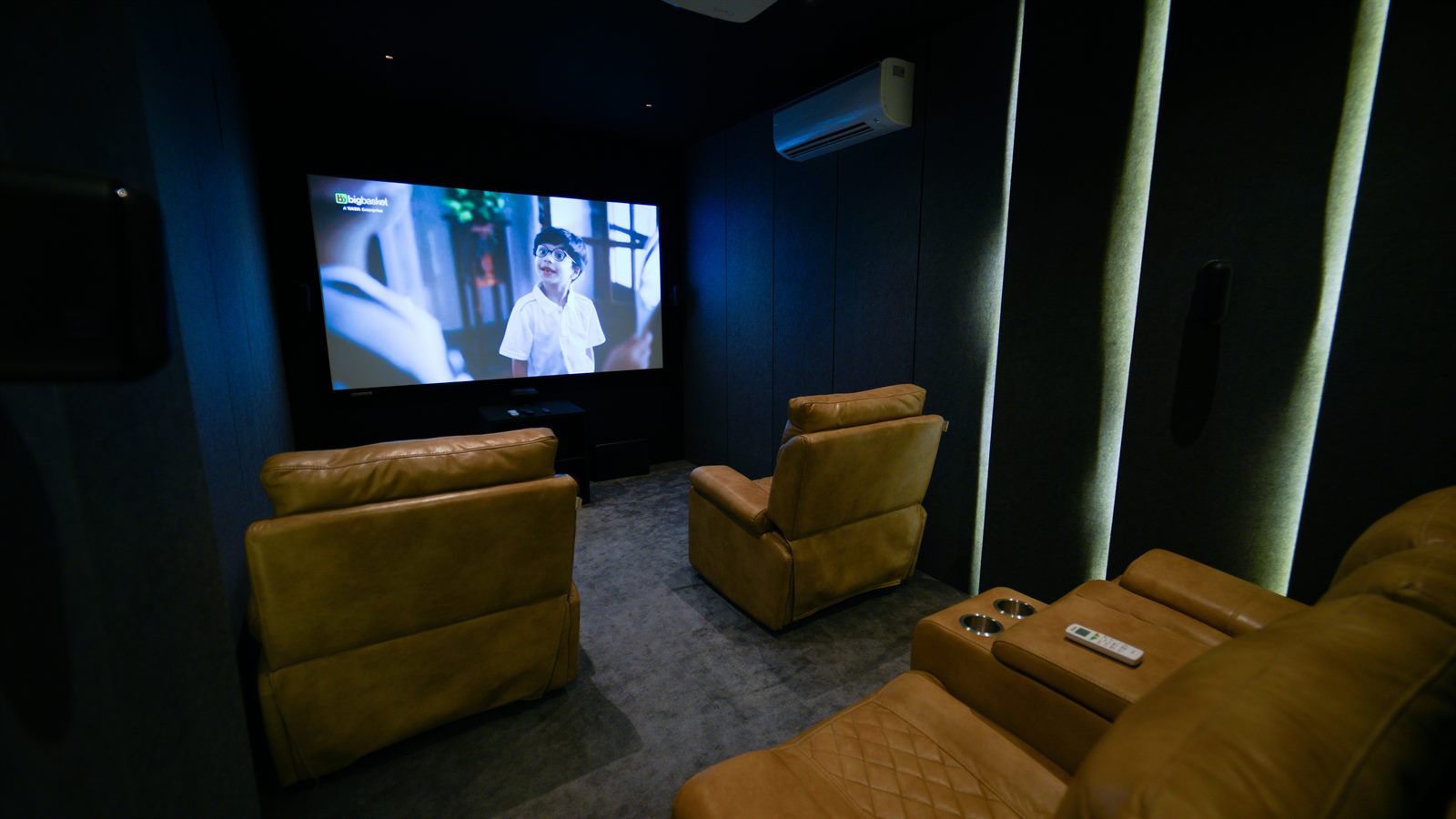
Whether you're a moviegoer, a film lover, or someone whose town square includes a struggling cinema, the sorting is happening now — and you have more influence over the outcome than you think.
Spend your ticket money like a vote. The formats and venues you pay for are the ones that survive. If you want giant screens and film prints in your city in 2032, buy the IMAX ticket for the movies that deserve it. If you want your local independent to exist, show up on the quiet weeks, not just for the blockbusters.
Book the experience, not just the movie. The best of the new model is genuinely great: reserved recliners, dinner at your seat, private rentals for birthdays that cost less per person than a theme park. Try a premium showing for the next spectacle release — you're sampling the future either way, so sample the good version.
See the big ones early. With windows as short as 17 days, the shared, unspoiled, opening-weekend experience is the most perishable good in entertainment. Movies built as events reward being treated as events — and spoilers now travel faster than reviews.
If you own or run a mid-tier theater, pick a lane now. The data is unambiguous: upgrade toward premium, differentiate like a boutique, or plan an exit. The middle of this market is a melting iceberg, and renovation costs only rise while attendance only drifts down.
- IMAX Corporation — Annual Results and Global Box Office Reports, 2023–2025
- National Association of Theatre Owners — Admissions & Screen Count Data, 2025
- Gower Street Analytics — Global Box Office Recovery Tracker, 2025
- Exhibitor Economics Quarterly — "The Premium Pivot," 2025
- Sony Pictures Entertainment — Alamo Drafthouse Acquisition Filings, 2024
- Forecast The World Research Desk — 800+ data sources