The Question
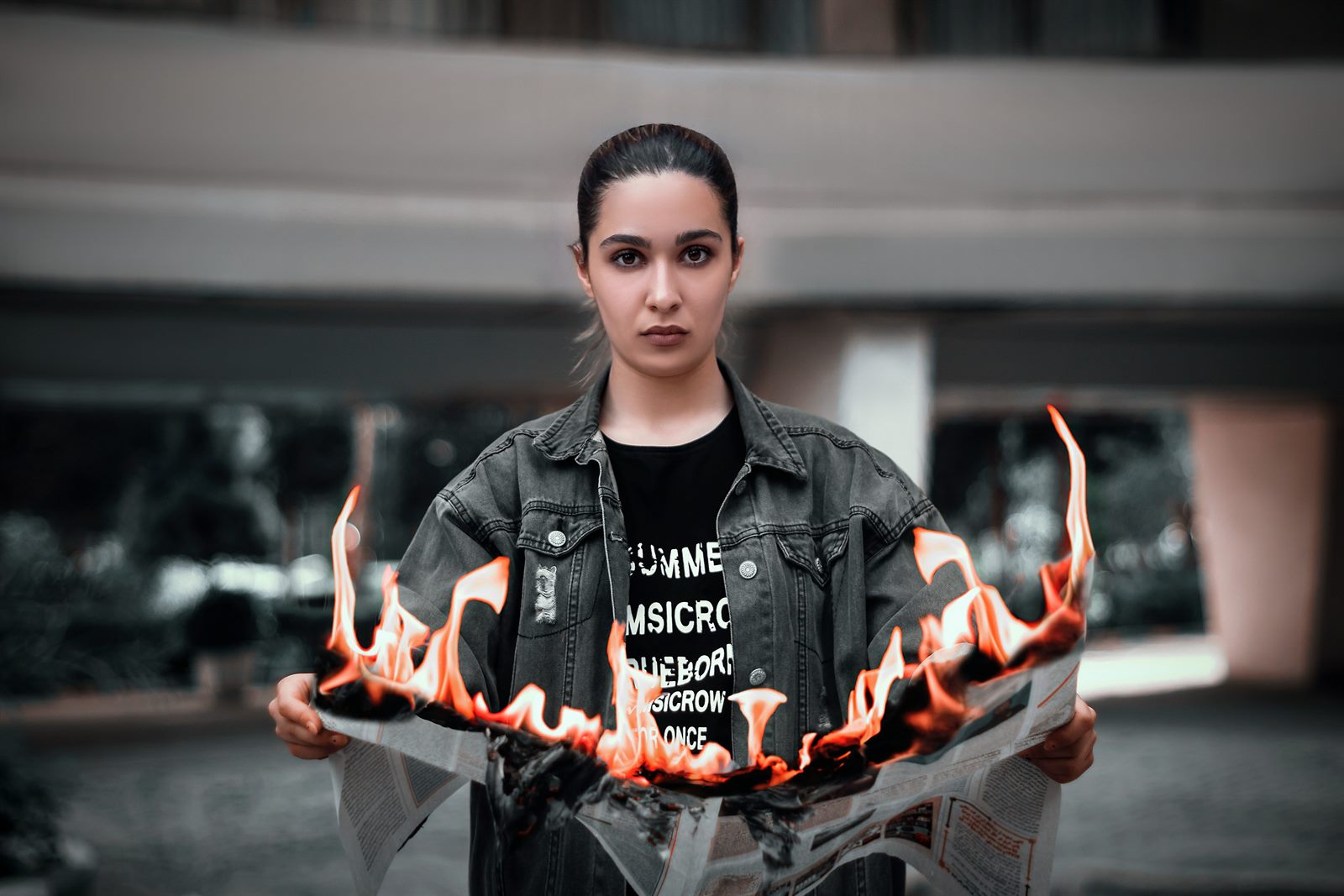
Every gold rush ends the same way: too many prospectors, not enough gold. Right now, more than 50 million people around the world describe themselves as content creators. Surveys of American teenagers regularly rank "influencer" among the most desired careers, ahead of astronaut and doctor. Billions of dollars in brand money flow through sponsored posts, affiliate links, and unboxing videos every year.
And yet the median full-time creator earns less than minimum wage. The top 1% capture the overwhelming majority of the money, and the gap widens every quarter. Our question: will the influencer economy — the specific model of a human personality monetizing an audience through brand deals — undergo a genuine correction by 2031, with a mass exit of professional creators? And if it bursts, what fills the feed? The answer to the second question is where things get strange.
What the Evidence Shows
The supply glut is measurable. As tens of millions of new creators pour in, the price a brand pays per thousand followers has fallen steadily — basic economics doing its job. Engagement rates across Instagram, TikTok, and YouTube have declined for years as feeds saturate. Audiences are visibly tired: the "de-influencing" trend, where creators tell followers what not to buy, became one of the most viral formats of the mid-2020s — authenticity fatigue turned into content, which is as pure a bubble signal as exists.
Then came the structural shocks. America's TikTok ban saga — passed, paused, litigated, whiplashed — taught every creator the same lesson: your career sits on rented land, and the landlord answers to governments. Meanwhile AI-generated content began flooding feeds at industrial scale — synthetic voices reading recycled scripts over stock footage, fake product reviews, whole channels with no human behind them. Researchers who once joked about the "dead internet theory" now publish serious estimates of how much feed content involves no human at all. When audiences cannot tell people from puppets, the core asset of influencing — trust in a person — erodes for everyone.
"An influencer's only real product is believability, and believability is a commons. Every undisclosed ad, every AI-cloned face, every engagement-farmed post grazes it down. The industry is consuming the very resource it sells, and no individual creator has any incentive to stop."
— Journal of Digital Media Economics — "The Trust Commons," 2025The replacements are already auditioning. Virtual influencers — computer-generated characters with managed personalities — never age, never sleep, and never cause scandals. Brands increasingly generate "user-generated-style" ads entirely with AI: a synthetic person enthusing about a real moisturizer, at a fraction of a human creator's rate. Faceless channels run by anonymous operators pump out niche content with no personality to burn out. And a growing share of genuine human connection is retreating into private, paid micro-communities — Discord servers, subscriber groups — deliberately too small and too closed for advertisers to reach. The influencer's job is being dismantled from both ends: machines take the ads, intimacy goes private.
"The first influencer economy was humans pretending to be your friend. The next one is software pretending to be human."
Why This Is Happening
The math never worked for the middle class of creators. Platform economics are winner-take-most by design: recommendation algorithms concentrate attention on a tiny head of mega-creators, while the long tail splits crumbs. MrBeast built a genuine media company with hundreds of employees — but he is the outlier, not the template, and the millions who followed his playbook are competing for the same finite pool of attention with infinitely growing supply. Every bubble needs believers who think the exception is the rule.
AI collapsed the cost of the product influencers sell. A brand that once paid a mid-tier creator $5,000 for a talking-head endorsement can now generate fifty variants of a synthetic one for pocket change, test them all, and keep the winner. The human still wins on genuine trust — but only while audiences can tell the difference, and that window is closing. When the supply of "relatable person recommends product" becomes infinite and free, its price goes where infinite-supply goods always go.
Audiences are renegotiating what they trust. A decade of undisclosed ads, dropshipped junk, and manufactured authenticity has trained viewers to discount everything public. The response is a flight to the verifiably real: private communities with vetted members, creators who show their process, recommendations from actual friends. Advertising cannot easily follow into a 200-person Discord — which is precisely why people are going there.
What Could Happen
Brand budgets shift measurably toward AI-generated ads, virtual characters, and a small professional tier of creator-owned media companies. Millions of mid-tier creators quietly exit to day jobs. Public feeds fill with synthetic and faceless content while human connection migrates to private, paid communities. Influencing survives — but as a narrow profession, like acting, not a mass career path.
No dramatic collapse — instead, per-follower rates and creator incomes erode a few percent every year, the way print journalism declined. The dream dies by attrition rather than explosion, and "creator" becomes a side hustle for nearly everyone who still does it. Harder to call a "correction," but the same destination on a longer road.
Verification tools and disclosure laws make provable humanity a paid feature, and audiences reward it. Anti-AI backlash makes synthetic ads toxic to brands, and mid-tier human creators regain pricing power precisely because machines flooded the market. This requires regulation, platforms, and audiences to all pull in the same direction at once — possible, but the incentives currently point the other way.
What Can We Do
Whether you create content, consume it, or buy ads against it, the correction rewards people who position early. The moves are the same ones that work in every bubble: diversify, verify, and own your ground.
If you create, own your audience — not your platform. The TikTok whiplash was the warning shot. Move your most loyal followers onto channels you control: an email list, a private community, direct subscriptions. A creator with 10,000 emails will survive 2031 in better shape than one with a million followers on an app a government can switch off.
Treat the creator dream as a business plan, not a lottery ticket. Before quitting anything, run the numbers the industry avoids: median earnings, not top earnings. The survivors of the correction will be creators who operate like small media companies — multiple revenue streams, real products, actual margins — not those waiting for one viral break.
As a viewer, learn the tells of synthetic content. Odd hands, too-smooth voices, channels with no history and industrial upload schedules. Assume undisclosed AI is already in your feed, and give your attention — the only currency here — to creators who show their humanity verifiably. What you watch trains the algorithm that decides what everyone gets next.
If you spend ad budgets, demand disclosure and measure trust, not reach. Follower counts are the bubble's own currency; conversion and community sentiment are the real economy. Brands that quietly test AI spokespeople should also model the cost of being caught — because in a low-trust market, getting caught is the expensive part.
- Linktree & SignalFire — Global Creator Economy Census, 2024–2025
- Goldman Sachs Research — "The Creator Economy at an Inflection Point," 2025
- Journal of Digital Media Economics — "The Trust Commons," 2025
- Influencer Marketing Hub — Brand Rate & Engagement Benchmark Reports, 2023–2026
- Stanford Internet Observatory — Synthetic Content Prevalence Study, 2025
- Forecast The World Research Desk — 800+ data sources