The Question
Picture movie night in 2033. The most anticipated show on the planet premieres tonight, and the whole world is watching the same episode. It was shot in Seoul, financed partly out of Mumbai, with a breakout villain from Lagos. It premieres in three languages — and not one of them is English. Nobody finds this strange. Your kids certainly don't; they have never once complained about subtitles.
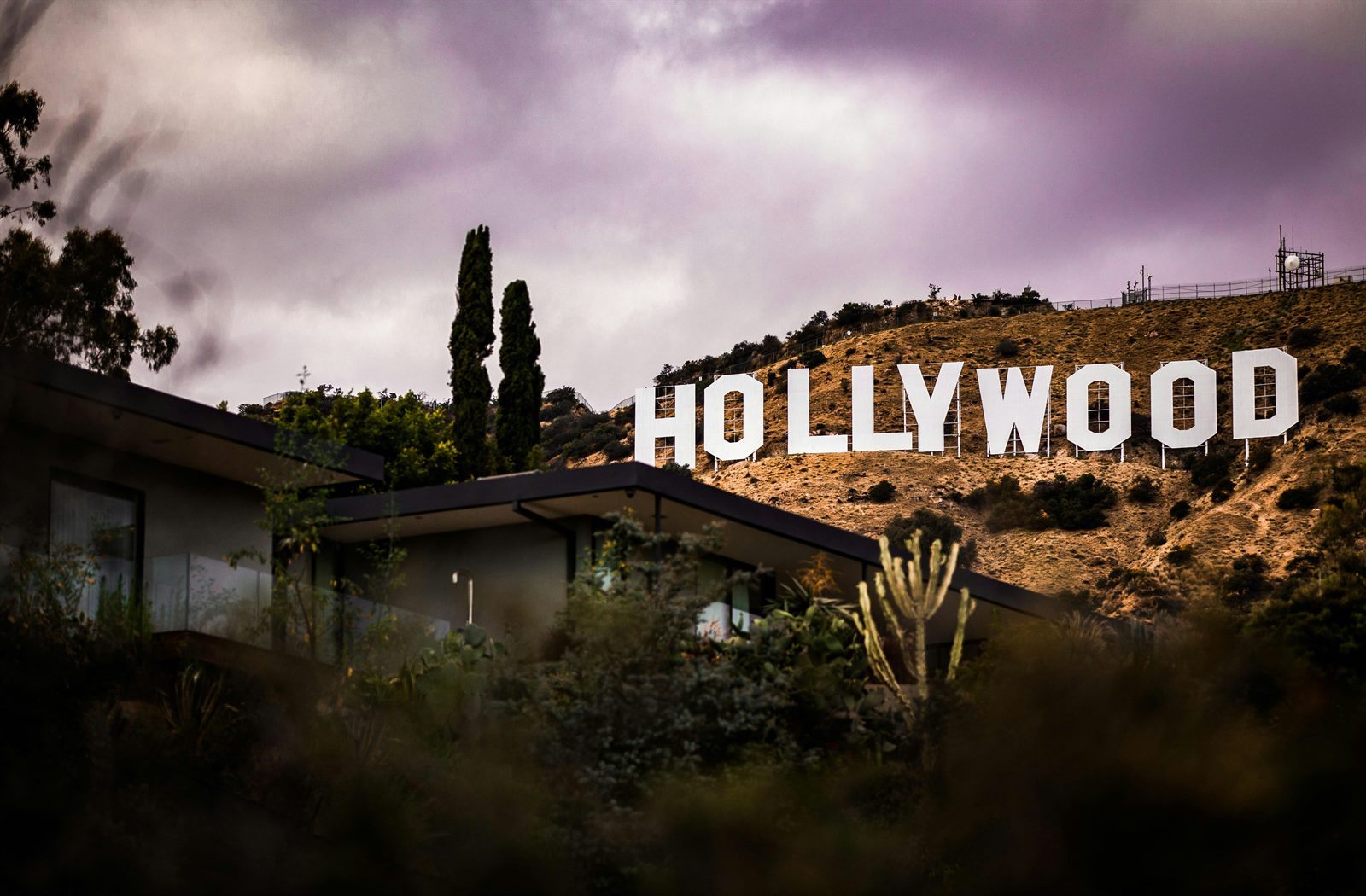
For a century, "global entertainment" meant American entertainment. Hollywood exported dreams and everyone else imported them. But the one-way pipeline is cracking. The question is no longer whether the rest of the world can make hits — Squid Game settled that with roughly 1.65 billion hours viewed in its first month. The question is whether the center of gravity itself moves: whether the biggest shows, the biggest stars, and the biggest cultural moments routinely come from somewhere other than Los Angeles.
What the Evidence Shows
The scoreboard already tells a story Hollywood would rather not read aloud. Squid Game is Netflix's most-watched title ever. Money Heist, a Spanish caper, became a worldwide obsession. Lupin, a French thriller, cracked Netflix's global top ten within days. And in 2020, Bong Joon-ho's Parasite did something no film had done in 92 years of Academy Awards: it won Best Picture without a word of English. Accepting an earlier trophy, Bong offered the line that became a generation's motto: "Once you overcome the one-inch-tall barrier of subtitles, you will be introduced to so many more amazing films."
The supply side is even more striking. South Korea treats pop culture as a state-supported export industry — the Hallyu wave of K-pop and K-drama is backed by government funds and a machine-tooled training system. India is already the largest film industry on Earth by tickets sold, and RRR's global craze — capped by an Oscar for "Naatu Naatu" — showed its films can travel far beyond the diaspora, while Netflix, Amazon, and local giants fight a ferocious streaming war for 1.4 billion viewers. Nigeria's Nollywood produces roughly 2,500 films a year, the second-largest output by volume in the world, and Netflix and Amazon have both invested in African originals to claim the continent's booming young audience.
"Streaming broke the geography of stardom. A platform with 260 million subscribers doesn't care where a hit is made — it cares that the hit exists. The moment a Korean series costs a tenth of an American one and outperforms it, the outcome stops being a cultural question and becomes an accounting one."
— Global Screen Economics Review — "The Post-Hollywood Audience," 2025Meanwhile, Hollywood itself is shrinking the gap from its own side. The 2023 writers' and actors' strikes froze production for months, studios have slashed content budgets, and the number of American scripted series has fallen from its peak. At the same time, dubbing technology — including AI tools that match an actor's lip movements to translated dialogue — keeps lowering the last barrier for viewers who will never love subtitles. Hollywood is producing less while the rest of the world produces more, better, and cheaper.
"The next Tom Cruise is already famous — you just haven't met him yet, because he's famous in a language you don't speak."
Why This Is Happening
Streaming platforms are hit-hungry and cost-obsessed, and foreign hits are a bargain. Squid Game reportedly cost around $21 million for its first season — less than a single episode of some marquee American shows — and became the most valuable title Netflix ever bought. Every platform executive has done that math. Commissioning in Seoul, Mumbai, or Lagos isn't charity or diversity theater; it is the highest return-on-investment move in television.
A generation raised on subtitles has torn down the one-inch barrier. Viewers under 30 grew up on anime, K-pop lyric videos, and TikTok clips in a dozen languages. To them, reading the screen is as natural as scrolling it. Surveys consistently show younger audiences watch with subtitles on even for English shows. The single biggest historical advantage of English-language content — that Americans wouldn't read — is quietly expiring.
Governments and local giants are pouring money in while Hollywood pulls back. Korea's cultural ministry bankrolls its content industry as deliberately as it once backed shipbuilding. India's streaming war is forcing platforms to fund local originals at unprecedented scale. Nigeria's film sector is a national employment engine attracting global capital. When one side of a competition is cutting budgets and the other side is being subsidized to grow, the trend line writes itself.
What Could Happen
Korean, Indian, Spanish, and Nigerian productions regularly occupy the global top ten, and the year's single biggest show comes from outside Hollywood every couple of years. English-language content still holds the largest overall share, but "the biggest show in the world" stops defaulting to American. Global stars emerge from Seoul and Mumbai with the fanbases — and paychecks — once reserved for Hollywood A-listers.
American studios respond the way they always have: by buying. They co-produce with Korean studios, remake Indian blockbusters, sign Nollywood directors, and stamp their brands on the output. Global content thrives, but the profits and the credit still route through Los Angeles boardrooms. The stars change; the address on the checks doesn't.
Streaming economics tighten, platforms retreat to safe franchises, and national industries turn inward to serve home audiences. A few crossover hits still land, but the borderless golden age stalls. This requires subtitle-native audiences to reverse their habits and platforms to abandon their cheapest source of hits — both run against every current trend.
What Can We Do

You don't have to wait for 2033 — the future of entertainment is already on your home screen, filed under titles you keep scrolling past. Here is how to get ahead of the wave instead of catching it late.
Watch one non-English show this month, subtitles and all. Give it two episodes before judging. The one-inch barrier is a habit, not a wall, and it falls faster than you expect. The viewers who found Money Heist or Squid Game early got to be the friend who recommended it — a small pleasure that never gets old.
Try the original audio before the dub. Performance lives in the voice. Dubbing tech is improving fast, but an actor's own delivery carries meaning no translation matches. If subtitles genuinely don't work for your household, fine — modern dubs beat the clumsy versions of a decade ago by miles.
If you work in media or invest in it, look at the production map. The growth in commissioning, studio construction, and talent deals is in Korea, India, Nigeria, and Southeast Asia. Careers and portfolios positioned only around Los Angeles are positioned around a shrinking share of a growing pie.
Let your kids lead. They already live in the borderless version of this world — their playlists and fandoms ignore national borders entirely. Ask a teenager what they're watching, and you'll get a preview of the 2033 charts today.
- Netflix — Global Top 10 Engagement Reports, 2021–2025
- Korea Creative Content Agency — Hallyu Export Data, 2024
- FICCI-EY — Indian Media & Entertainment Sector Report, 2025
- UNESCO — African Film Industry Landscape Study, 2024
- Global Screen Economics Review — "The Post-Hollywood Audience," 2025
- Forecast The World Research Desk — 800+ data sources