The Question
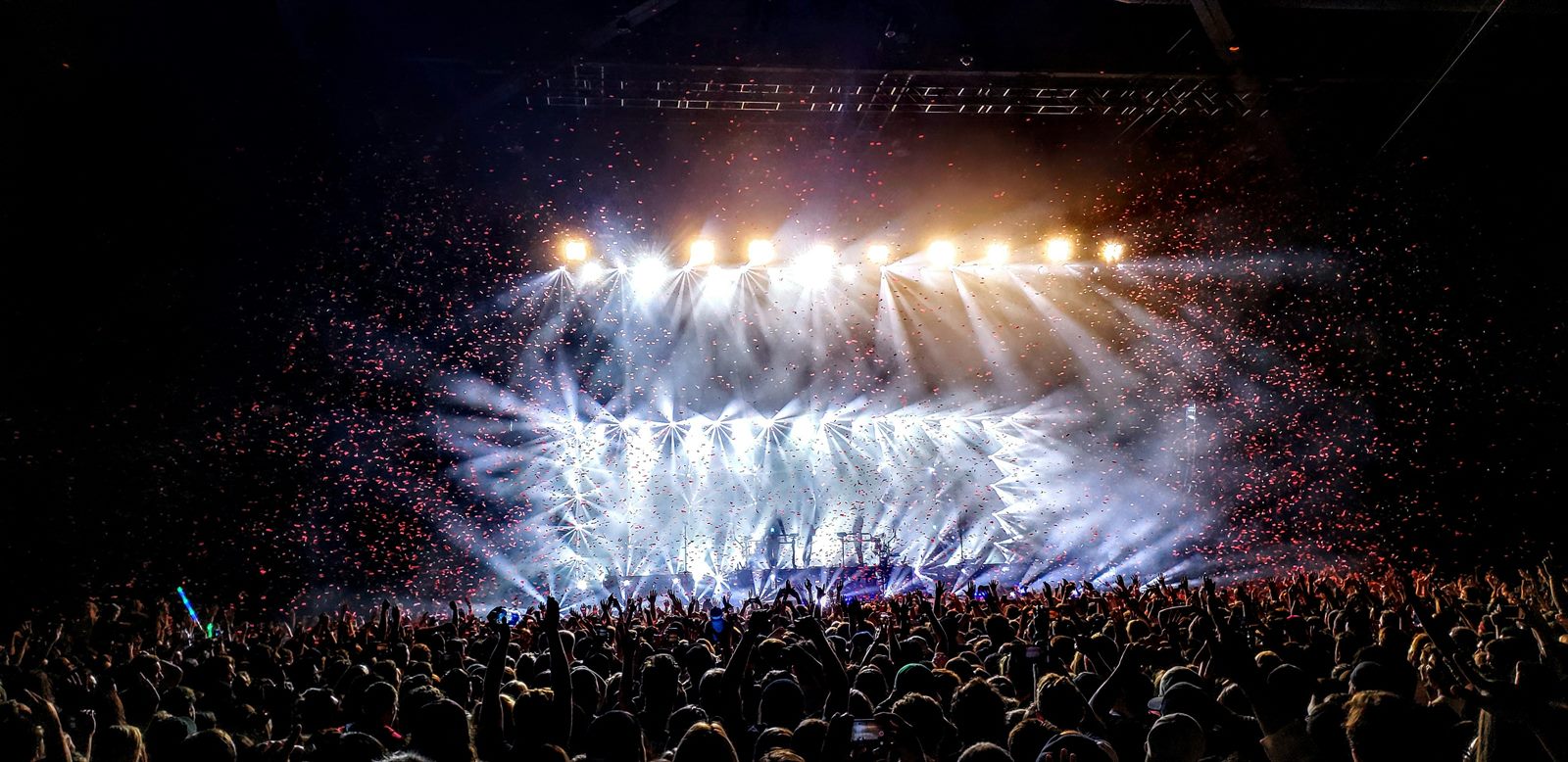
Picture the biggest tour of 2032. Your favorite artist announces a stadium date near you. You join the digital queue at 10 a.m. sharp with two million other hopefuls. Ninety minutes later, you are in. A decent lower-bowl seat glows on the map: $1,140. Not a VIP package. Not a front-row splurge. Just a good seat. And here is the uncomfortable prediction — you will hesitate, wince, and buy it anyway.
That number sounds absurd until you look at where prices already are. The question is not whether concert tickets are getting expensive — they demonstrably are — but whether four figures becomes the accepted, unremarkable norm for top-tier live music. The evidence says the ceiling keeps rising, and fans keep meeting it.
What the Evidence Shows
Start with the receipts. Taylor Swift's Eras Tour became the first tour in history to gross over $2 billion, with face-value tickets in the hundreds and resale seats routinely clearing several thousand dollars. In 2024, the Oasis reunion turned dynamic pricing into a national scandal: fans in the UK queued online for hours, then watched standard standing tickets leap from £135 to £355 at checkout — "in demand" pricing applied while they waited. Regulators opened inquiries. The shows still sold out in a day.
Beyoncé's Renaissance Tour and Bruce Springsteen's 2023 dates sparked the same fury — Springsteen fans found floor seats algorithmically priced at $4,000-plus — and the same result: full houses. Pollstar data shows the average price of a top-100 tour ticket has roughly tripled since the early 2000s, growing far faster than inflation. Meanwhile the US Department of Justice sued Live Nation-Ticketmaster in 2024, alleging the company's grip on venues, promotion, and ticketing keeps competitive pressure off prices. Whatever the suit's outcome, the underlying demand curve is not on trial — fans keep proving they will pay.
"The concert ticket was underpriced for fifty years, and scalpers pocketed the difference. What we are watching now is not a price rise. It is the artist and the algorithm finally claiming the money that was always on the table."
— Live Entertainment Economics Review — "The Repricing of Presence," 2025The counterargument is affordability, and it is real. Surveys show younger fans borrowing, saving for months, or skipping rent obligations to attend marquee shows — the phrase "funflation" entered economists' vocabulary because of concert tickets. At some point, the theory goes, wallets snap shut. But the top of the market keeps finding new wallets: a stadium holds 60,000 people, an A-lister's audience numbers tens of millions, and only a sliver of superfans needs to say yes.
"A stadium only needs 60,000 yeses. The algorithm's job is to find the 60,000 people who will pay the most — and it is very, very good at its job."
Why This Is Happening
Streaming killed recording income, so the road became the paycheck. A million streams pays an artist a few thousand dollars; a single stadium night can gross $10 million. Touring has flipped from promotion for albums into the core business of music itself. Artists, managers, and labels now treat live shows as the product — and price them accordingly. When the tour is the income, nobody on the inside has an incentive to keep seats cheap.
Superfan economics reward squeezing the top, not broadening the base. Industry analyses consistently find that a small fraction of fans — the ones who buy the vinyl, the merch, the VIP package — generate a majority of an artist's revenue. Dynamic pricing and tiered packages are price discrimination in action: charge the devoted what devotion is worth. The Oasis checkout screen was not a glitch. It was the business model showing its face.
The resale market taught the industry what tickets are "really" worth. For decades, scalpers bought $90 tickets and flipped them for $900, capturing value the artist never saw. Ticketmaster's own resale data now feeds back into face-value pricing. If the secondary market proves a seat is worth $1,000, primary pricing follows it upward. With Live Nation controlling venues, promotion, and ticketing in one stack — the very structure the DOJ is challenging — there is little friction left to slow the climb.
What Could Happen
By 2032, $1,000-plus is the standard price for a good — not premium — seat at the ten biggest tours of any given year. Outrage headlines fade into acceptance the way $6 coffee did. The market splits visibly: mega-tours as luxury events people budget for like vacations, while a thriving underworld of $25-50 club and theater shows absorbs everyone else. Both tiers sell out.
The DOJ suit forces a Live Nation-Ticketmaster breakup, and the UK and EU restrict dynamic pricing after the Oasis affair. Checkout surprises disappear — but artists simply set higher face values from the start, because demand hasn't changed. Prices reach the same altitude by a politer staircase, a few years later.
A recession collides with funflation fatigue. Mid-tier tours start playing half-empty arenas, artists publicly cap prices to protect their reputations — as some, like The Cure's Robert Smith, already have — and $1,000 seats become an embarrassment rather than a flex. This requires superfan demand to crack at the very top, which no data yet shows.
What Can We Do
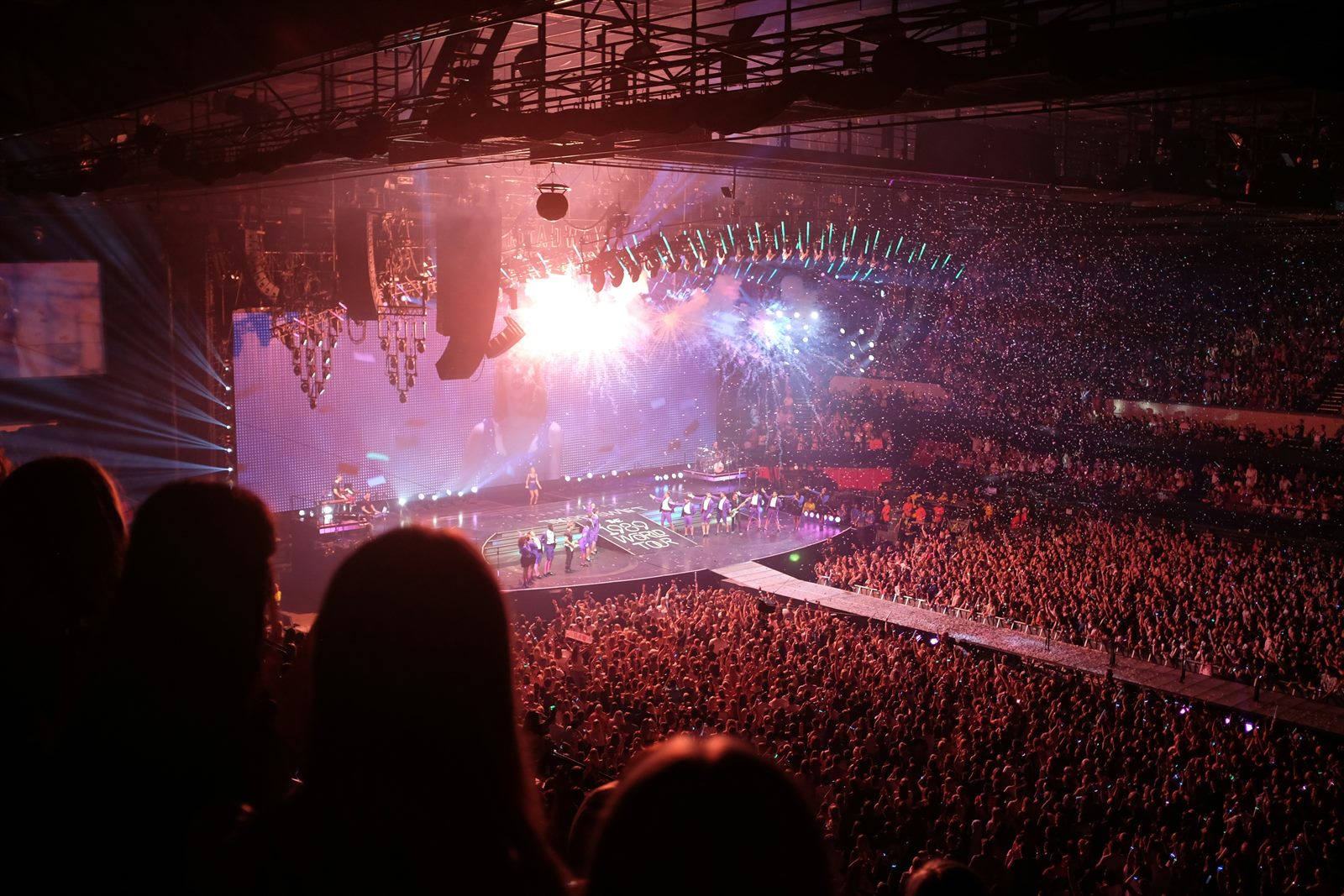
You cannot vote the algorithm out. But you can play the game smarter than it expects, and keep live music in your life without financing it like a car.
Work the presales like a professional. Artist fan-club presales, credit card presales, and venue lists routinely offer face-value seats before dynamic pricing heats up. Register for everything the moment a tour rumor surfaces. The cheapest ticket you will ever see is the one sold in the first quiet hour.
Time the secondary market instead of fearing it. Resale prices for non-legendary shows often collapse in the final 48 hours as flippers panic. If a tour is not a cultural earthquake, patience near showtime regularly beats panic at on-sale. Set price alerts and let the scalpers sweat.
Spend your savings underneath the stadium tier. The healthiest live music in 2032 will be in 500-capacity rooms charging $25. Tonight's club act is 2032's arena headliner — seeing the future early is both cheaper and better bragging rights. Make small venues your default and mega-shows your exception.
Support pricing transparency rules. All-in pricing laws, resale caps, and dynamic-pricing disclosure requirements are live political questions in the US, UK, and EU right now. They will not make tickets cheap, but they will make the real price visible before you have queued for three hours. Noise from fans is what put the Oasis scandal in front of regulators — keep making it.
- Pollstar — Year-End Top 100 Tours Pricing Analysis, 2000–2025
- US Department of Justice — United States v. Live Nation Entertainment, Complaint, 2024
- UK Competition & Markets Authority — Oasis Ticketing and Dynamic Pricing Review, 2025
- Live Entertainment Economics Review — "The Repricing of Presence," 2025
- Goldman Sachs — Music in the Air: Live Music Revenue Outlook, 2025
- Forecast The World Research Desk — 800+ data sources