The Question
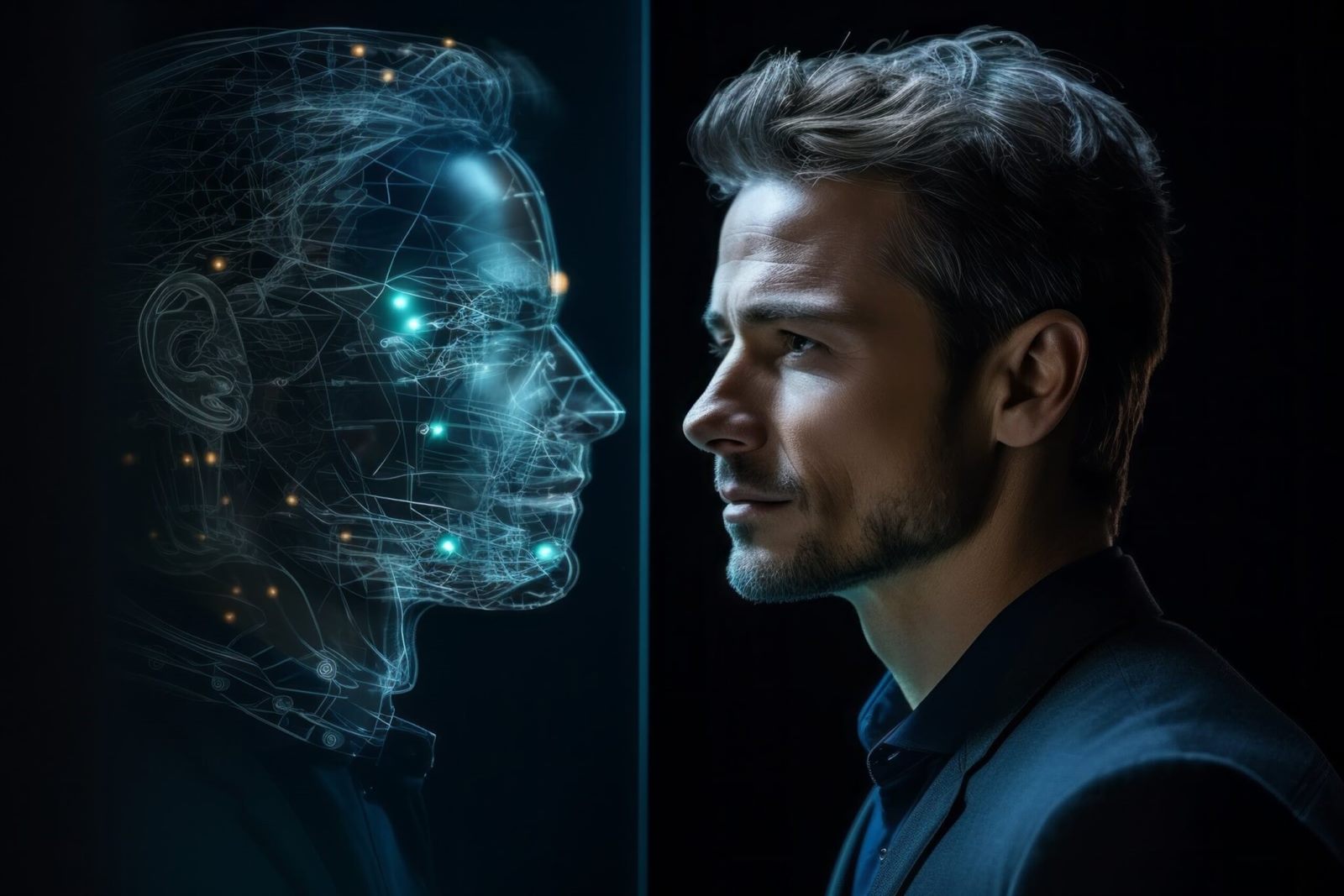
For as long as there have been movies, an actor's deal was simple: show up, perform, get paid, repeat. Your face went where your body went. To appear in a film, you had to be on set. That physical fact defined the entire economics of acting — the fees, the schedules, the scarcity that made stars valuable.
Now a scan can capture your face and a few hours of audio can capture your voice, and software can make that digital you do almost anything, anywhere, forever. The question is no longer whether this is technically possible — the effects reels prove it is. It is whether licensing your likeness becomes an ordinary line item in an actor's income, the way merchandising and endorsements already are. By 2033, the evidence suggests, the answer is yes.
What the Evidence Shows
The 2023 SAG-AFTRA strike shut down Hollywood for months, and the beating heart of it was digital replicas. Actors feared studios would scan a background performer once and reuse them forever for a day's pay. The settlement did not ban the technology — it enshrined the rule that now defines the future: a digital replica requires the performer's informed consent and fair compensation. In other words, it made likeness a licensable asset.
The examples are already on screen. James Earl Jones licensed his Darth Vader voice to the AI firm Respeecher so the character could speak after he stopped recording — and after his death. Harrison Ford was digitally de-aged across Indiana Jones and the Dial of Destiny. Rogue One rebuilt the late Peter Cushing in CGI. In the film Here, Metaphysic's AI de-aged Tom Hanks in real time. The face and the performer have already come apart.
"Scan once, cast forever. The most valuable thing an actor owns is no longer a performance you have to schedule — it is a data set you can license, like a song, while you sit on a beach."
— Screen Economy Report — "The Licensable Face," 2025The law is hardening the asset into place. California passed AB 1836 to protect performers' digital likenesses, especially after death, and Tennessee's ELVIS Act shields voice and image from unauthorized AI. Video game performers fought the same battle in their 2024–25 strike, again centered on replicas. When statutes, union contracts, and studio budgets all treat your face as property, licensing it is no longer speculation — it is a market waiting to mature.
"The next great screen career may not involve a single day on set."
Why This Is Happening
The economics are irresistible for studios. A scanned actor never needs a trailer, a flight, a rest day, or a reshoot schedule. A star can be dropped into a film, a game, and a global ad campaign at once, without a body ever leaving home. The savings in time and logistics are enormous, and every incentive in a budget-conscious industry points toward capturing the likeness and reusing it.
For actors, it is a new income stream, not only a threat. The same technology that frightens performers can also pay them. License your face for a project you would never have had time to shoot, and collect a fee while doing nothing. An A-lister could headline several films a year with zero scheduling conflicts. Handled on the actor's terms, likeness licensing turns scarcity into a renewable royalty.
Estates make the asset outlive the person. Once a likeness is licensable, it does not stop earning at death. Families and estates can keep a beloved performer working — feeding directly into the wider economy of resurrected and posthumous stars. That permanence makes the asset far more valuable than a living career alone, and gives studios and heirs a shared interest in building the market.
What Could Happen
Consent-and-compensation frameworks from the SAG-AFTRA deal harden into standard contract clauses. Agents negotiate face and voice rights alongside fees, top actors license their likeness for projects they never physically shoot, and estates keep late stars working. Scanning becomes a routine part of signing a major role, and a licensing fee sits on the call sheet next to the salary.
A-listers and estates monetize likeness handsomely because their faces carry brand value, while ordinary performers resist scanning for fear of being replaced for a flat fee. The market splits: a lucrative licensing economy at the top, and hard-fought protections keeping mid-tier actors physically on set. The revenue stream is real but concentrated among the famous.
Audiences reject AI performances as hollow, high-profile misuse scandals sour the public, and unions win contracts that make replicas more trouble than they are worth. Licensing stays a narrow tool for de-aging and the dead rather than a mainstream income line. This requires audience taste and labor power to overcome powerful studio economics — a real but uphill possibility.
What Can We Do

A world where your face can work without you is full of opportunity and hazard in equal measure. Whether you are a performer, a fan, or simply someone whose likeness could one day be scanned, the safeguards you insist on now will shape whether this technology empowers people or exploits them.
Performers: never sign away your likeness blindly. Treat your face and voice as the crown jewels they are becoming. Negotiate scope, duration, and veto rights over how a replica is used, and refuse open-ended buyouts. The difference between a royalty and a robbery is entirely in the contract.
Demand consent and compensation as the floor. The SAG-AFTRA principle — no replica without informed agreement and fair pay — must apply to everyone, not just the famous. Support unions and laws that extend it to background actors, game performers, and estates, because the abuses will always start at the bottom.
Fans: reward transparency about what is real. Ask studios to disclose when a performance is a licensed digital replica or an AI de-aging. Value films that use the tools honestly and with consent, and be skeptical of those that hide it. Your attention is the market's ultimate signal.
Plan your likeness like an asset. If you work on camera, decide now — in writing and in your estate plan — who may use your face, for what, and for how long after you die. Silence hands that power to whoever holds the scan, and they will use it to earn, not to honor.
- SAG-AFTRA — 2023 TV/Theatrical Agreement Summary, 2023
- Respeecher — James Earl Jones Voice Licensing, 2024
- California Legislature — AB 1836 Digital Replica Law, 2024
- Variety — AI De-Aging in Film Report, 2025
- Screen Economy Report — "The Licensable Face," 2025
- Forecast The World Research Desk — 800+ data sources