The Question
Ask almost any American over forty what getting their driver's license meant to them and you will hear versions of the same story: freedom, independence, adulthood. The car was the machine that let you leave. It was a cultural artifact as much as a transport technology, and learning to drive was the ritual that unlocked it. The idea that a generation might simply skip this rite — never sit in a DMV parking lot, never feel the wheel for the first time — would have seemed unimaginable twenty years ago.
It is not unimaginable now. The data on teen licensing rates is already striking. In 1983, 46% of 16-year-olds in the US held a driver's license. By 2022, that figure had fallen to around 25%. Among urban Gen Z, the decline is even sharper — in dense cities with functioning transit and ride-hail, many young people see no practical need to drive. The question we are predicting is whether the arrival of reliable autonomous vehicles will tip this trend from a slow drift into a decisive generational break.
What the Evidence Shows
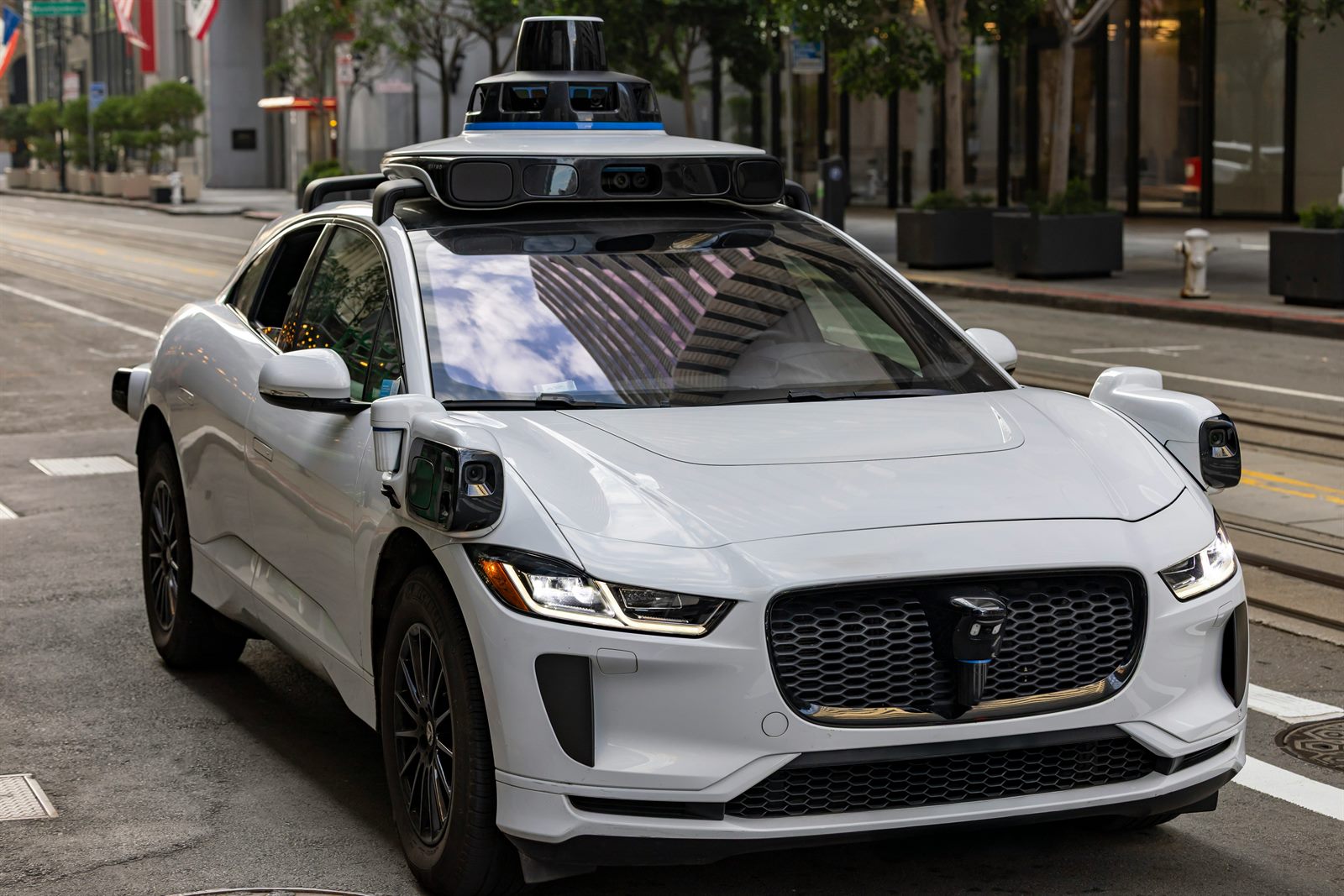
Waymo's fully autonomous robotaxis — no safety driver, no steering wheel intervention — are now operating in San Francisco, Los Angeles, Phoenix, and Austin, completing millions of passenger miles. The safety record is better than human driving on comparable routes. GM's Cruise, despite a setback in 2023, resumed operations with enhanced oversight. Tesla's Full Self-Driving subscription has tens of thousands of active users logging hours of supervised autonomous operation on public roads daily. The technology is not coming. It is here, working, and getting cheaper.
The cost of car ownership has become genuinely punishing. Buying, insuring, fuelling, parking, and maintaining a car in the US costs the average household around $12,000 per year. For a teenager or young adult, insurance alone can run $2,000–4,000 annually. Against this backdrop, the economic case for not owning a car — and relying on autonomous ride-hail, which is projected to cost significantly less per mile than private car ownership at scale — is increasingly rational, not lazy.
"The teenager who grows up summoning a Waymo to school every morning has no more motivation to learn to drive than today's teenager has to learn to shoe a horse. The skill has not disappeared. The need has."
— RAND Corporation — "The Future of Personal Mobility" Report, 2024The psychological shift is already visible in surveys. A 2024 Pew Research study found that among Americans aged 16–24, only 51% said driving was "important to their sense of independence" — down from 72% among the same age group a decade earlier. In metro areas, the number was below 40%. The car is losing its emotional charge for the cohort that autonomous vehicles will serve first.
"Learning to drive was once a rite of passage into adulthood. For the autonomous generation, the rite may be learning to summon a car instead."
Why This Is Happening
Autonomous vehicles are removing the core utility of a license in cities. A license was always a means to an end: getting from A to B independently. When a robotaxi can do that more cheaply, more safely, and without requiring the passenger's attention, the license becomes redundant for urban residents. The utility argument — "you need to know how to drive" — weakens every year that autonomous fleets expand.
The cost and burden of car ownership is pushing young people away. US car prices surged dramatically after 2021 and have not fully retreated. Combined with elevated insurance rates, urban parking costs that can run $200–400 per month, and the cognitive overhead of owning a depreciating asset, many young people are rationally deciding that a car is a burden they would rather avoid. Autonomous ride-hail gives them a way to do so without sacrificing mobility.
Rural America is the critical counterweight. Everything above describes urban and suburban dynamics. In rural America — where public transit does not exist, ride-hail coverage is sparse, and autonomous vehicles will not operate commercially for years — the driver's license remains practically indispensable. The family in rural Nebraska still needs someone who can drive to the grocery store, the hospital, and the school. This geographic divide means national licensing rates will mask enormous regional variation. The prediction is about the national majority, not universal behaviour.
What Could Happen
By 2035, teen licensing rates in major metropolitan areas fall below 30% as autonomous ride-hail becomes reliable, affordable, and culturally normalised. The national average crosses below 50% — meaning fewer than half of American teenagers get a license — driven entirely by urban and suburban shifts. Rural licensing rates barely change. The driver's license becomes a regional marker: something people in small towns and rural areas have, something young city residents often skip. Driving schools consolidate in rural markets and target older adults retraining for road trips rather than teenagers.
A series of high-profile autonomous vehicle incidents in the late 2020s triggers a regulatory backlash that constrains commercial robotaxi expansion to limited geofenced zones. Public trust does not recover fast enough to sustain the projected cost reductions. Ride-hail prices remain high enough that private car ownership stays economically competitive. Teen licensing rates continue their slow decline but do not tip below 50% by 2035. The transition is delayed rather than reversed — but the 2035 threshold is missed.
Autonomous technology advances faster than even optimistic projections and achieves reliable deployment in suburban and semi-rural environments by the early 2030s. The cost-per-mile of autonomous ride-hail falls below the marginal cost of private car ownership across most of the country. Teen licensing rates collapse nationally — not just in cities — and fall below 30% across most demographics. The driver's license becomes a specialist skill, like riding a horse: something some people do for pleasure or profession, but not a practical necessity for ordinary life. This outcome requires a faster technology and regulatory timeline than currently seems realistic.
What Can We Do
The shift away from teen driving has implications for safety, infrastructure, equity, and culture that are worth thinking about now — before the trend becomes irreversible.
Insurers and policymakers should plan for declining young-driver numbers. Teen drivers are statistically the most dangerous group on the road — their crash rate per mile driven is nearly three times higher than for adults aged 35–54. Fewer teen drivers will save lives. But it will also reduce insurance revenue and change the risk pool in ways that actuaries are only beginning to model.
Driving education should evolve, not disappear. Even in an autonomous world, edge cases — technology failures, emergencies, rural situations without coverage — will require humans who can drive. Driving education that focuses on these scenarios, rather than routine commuting, will remain valuable. It should be taught as an emergency skill, not a rite of passage.
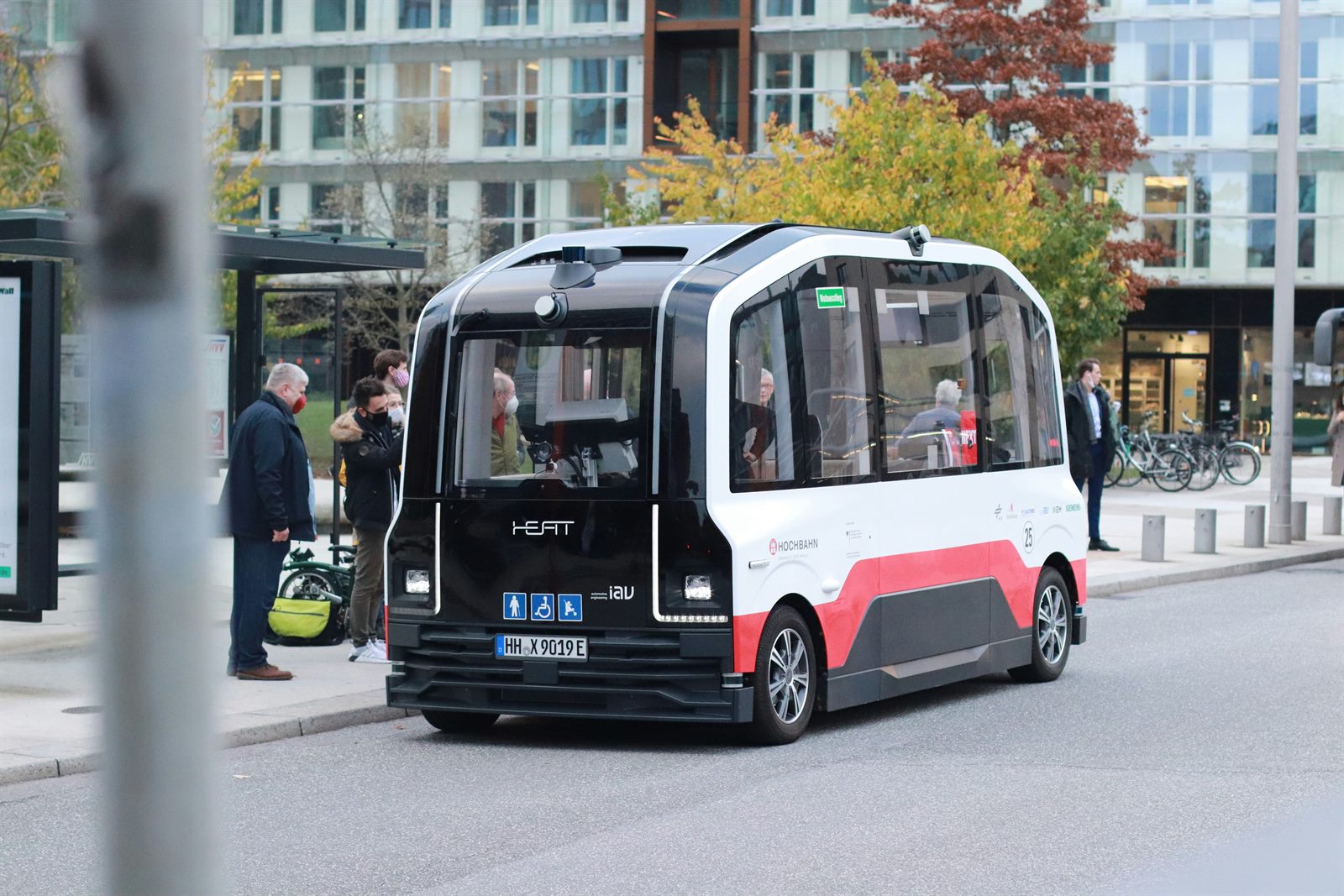
Rural communities need a realistic AV deployment timeline. The risk in this transition is that cities get autonomous mobility while rural residents — who are older, poorer on average, and more dependent on personal vehicles — are left behind. Policy should actively accelerate rural AV deployment, not treat it as an afterthought.
Parents should resist the instinct to push teenagers toward licenses they may not need. The instinct is understandable — driving felt like freedom to previous generations. But saddling a city-dwelling 17-year-old with the cost and risk of car ownership in a world of expanding autonomous mobility may be doing them a disservice, not a favour.
Cities should redesign around the assumption of fewer personal vehicles. The parking minimums, lane widths, and suburban layouts built around universal car ownership are becoming liabilities. Cities that plan now for a lower-vehicle future — more bike infrastructure, more pedestrian space, dedicated AV lanes — will be better positioned than those waiting for the transition to complete before adapting.
- Federal Highway Administration — "Licensed Drivers by Age Group" — FHWA, 2024
- RAND Corporation — "The Future of Personal Mobility" — RAND, 2024
- Pew Research Center — "Gen Z and the Car" Survey Data — Pew, 2024
- Waymo — "Waymo One Safety Performance Report" — Waymo, 2025
- AAA — "True Cost of Car Ownership" Annual Report — AAA, 2025
- Forecast The World Research Desk — 800+ data sources