The Question
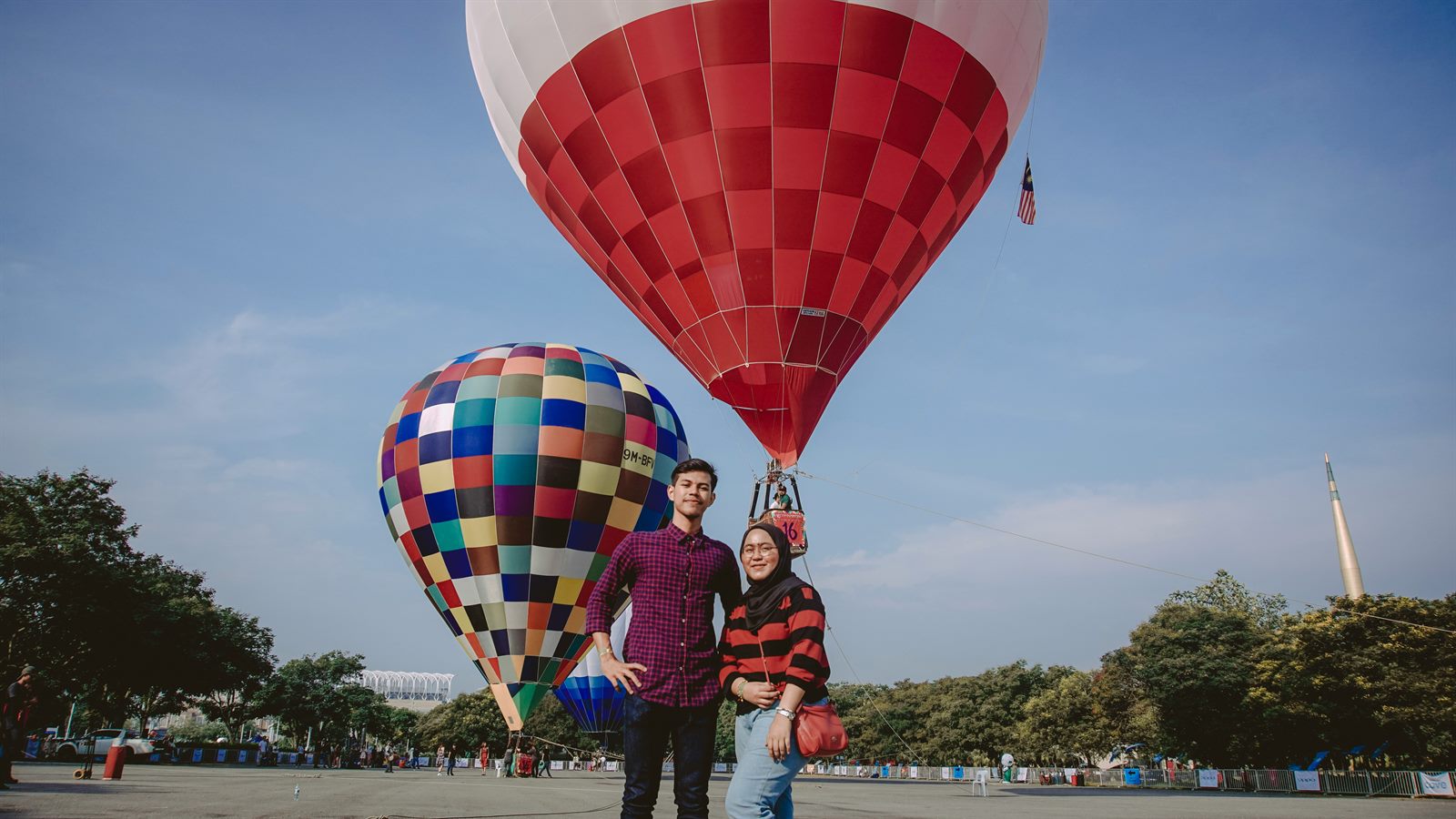
For most of the twentieth century, consumer spending meant buying things. A television. A car. A new couch. A washing machine. Status was measured in possessions. The garage told the story of your life. That model started shifting in the 1990s and cracked open completely after the 2008 financial crisis, when a generation of Millennials — broke, renting, and socially wired — discovered that an Instagram photo from a weekend trip to Lisbon created far more social capital than a new appliance. The pandemic then supercharged what was already a trend into something that looks, in the data, like a structural break.
Our specific prediction: by 2032, experiences will account for more than 50% of discretionary consumer spending in the US and Western Europe. We give this a 76% probability. The trajectory is already visible. The question is whether anything derails it.
What the Evidence Shows
The numbers are striking. In 2023, US airline revenue hit an all-time record. Hotel occupancy rates returned to and exceeded pre-pandemic highs. Concert ticket prices rose by an average of 30% — and people paid. Taylor Swift's Eras Tour generated an estimated $1 billion in revenue. The experience economy is not a niche phenomenon of the wealthy: it spans income brackets, age groups, and geographies.
Consumer surveys have tracked this shift for more than a decade. Harris Poll data shows that 78% of Millennials prefer spending money on experiences over things. Similar trends appear in Gen Z data. Crucially, the academic research on wellbeing backs this up: experiences generate more lasting happiness than possessions, in part because they become part of your identity and your story in a way that objects do not. The shift isn't just a fad — it aligns with what the psychology of happiness has been finding for years.
"Experiential purchases tend to provide more enduring happiness than material purchases. The advantage of experiences over objects for wellbeing grows stronger over time, as objects are compared to better alternatives but experiences become cherished memories."
— Dr. Thomas Gilovich, Cornell University — Journal of Positive Psychology, 2020The housing unaffordability crisis has paradoxically accelerated the trend. When young people cannot buy a home — and increasingly cannot afford one well into their 30s — the motivation to accumulate furniture, appliances, and home goods disappears. You don't buy a couch for a rental apartment you might leave in eighteen months. Instead, the money goes somewhere. And it has gone, overwhelmingly, to travel and experiences.
"When you can't own a place to put things, you start collecting memories instead — and it turns out that's the better trade anyway."
Why This Is Happening
Social media transformed experiences into social currency. A decade ago, showing off a new car was a statement of status. Today, a photo from a trip to Japan or a ticket stub from a sold-out concert does more social work than almost any possession can. Instagram, TikTok, and their successors have created an economy of attention in which experiences are the premium product and possessions are background noise. This has fundamentally restructured what people are willing to pay for.
Housing unaffordability has removed the competitor. For previous generations, a large share of discretionary income went toward homeownership and home improvement. That money is now unavailable for those purposes — and it has been redirected toward the things you can do without owning anything. Travel is the most portable form of aspiration available to a generation that cannot afford roots.
Remote work has permanently expanded where people can travel. The rise of flexible and remote work has created a new category of spending: the "workcation," the extended international stay, the slow travel that was previously only available to retirees or the independently wealthy. When your office is your laptop, Japan is as viable as Jacksonville. This has structurally expanded travel demand in ways that do not reverse when pandemic restrictions end.
What Could Happen
The trend continues with minimal disruption. Experiences cross the 50% threshold of discretionary spending by 2030, two years ahead of our target. The travel industry restructures around premium experiences rather than volume tourism. Live events — concerts, sports, festivals — become more expensive but more culturally central. The goods economy increasingly serves the experience economy: luggage, outdoor gear, camera equipment. The stuff people buy is in service of the experiences they want to have.
A severe recession — sharper than the 2008 crisis — forces a retreat to basics. Travel spending collapses as it did during COVID-19. People who were spending on concerts and restaurant meals redirect money to necessities. The trend resumes after recovery, but the threshold isn't crossed until 2035 or later, if at all during this prediction window. The experience economy proves more cyclical than its advocates assumed.
A cultural backlash against the carbon footprint of air travel — combined with rising flight costs as carbon pricing spreads — redirects some experience spending back toward local goods and home investment. Younger consumers, more attuned to climate consequences, choose a beautiful home garden over a flight to Thailand. The goods economy partially reinvents itself around quality, longevity, and sustainability. Experience spending continues growing, but more slowly, as local and domestic experiences replace international travel.
What Can We Do

The experience economy raises real questions about sustainability, access, and what we're actually chasing when we chase the next great trip. Here's how to navigate it thoughtfully.
Invest in experiences that build rather than perform. There's a difference between experiences chosen for social media and experiences chosen for genuine growth, connection, or memory. The research shows that social-media-driven experiences often don't deliver the lasting happiness that off-grid, genuinely meaningful ones do. Ask what you'll remember in ten years, not what will photograph well.
Think about the carbon math. A long-haul flight to Southeast Asia produces roughly 1.5 to 2.5 tonnes of CO2 — a significant chunk of a sustainable annual carbon budget. This doesn't mean stop travelling. It means choose deliberately, stay longer, and consider offsetting seriously. The experience economy's growth is on a collision course with climate commitments, and navigating that tension requires individual awareness as much as policy change.
Don't mistake spending on experiences for necessarily living better. The research on happiness and experiences has a ceiling: beyond a certain frequency, experiences become routine and stop generating the boost that novelty provides. The happiest lives in the data are often not the most experience-dense — they're the ones with strong relationships, meaningful work, and genuine community. Those things don't require a plane ticket.
Support local experience industries. The experience economy tends to concentrate spending in famous international destinations while hollowing out local cultural infrastructure. Theatre companies, local music venues, community sports facilities — these generate the same kind of experiential value with far lower environmental cost and far more direct community benefit. Deliberately allocating some experience budget locally is both a personal and a civic act.
- Gilovich T. & Kumar A. — "We'll Always Have Paris: The Hedonic Payoff from Experiential and Material Investments" — Journal of Positive Psychology, 2020
- Harris Poll — Millennials and the Experience Economy, Annual Survey, 2023
- IATA — Annual Review and Passenger Statistics, 2023
- Goldman Sachs — Consumer Spending Trends: The Experience Shift, 2024
- McKinsey & Company — True Gen: Generation Z and Its Implications for Companies, 2023
- Forecast The World Research Desk — 800+ data sources