The Question
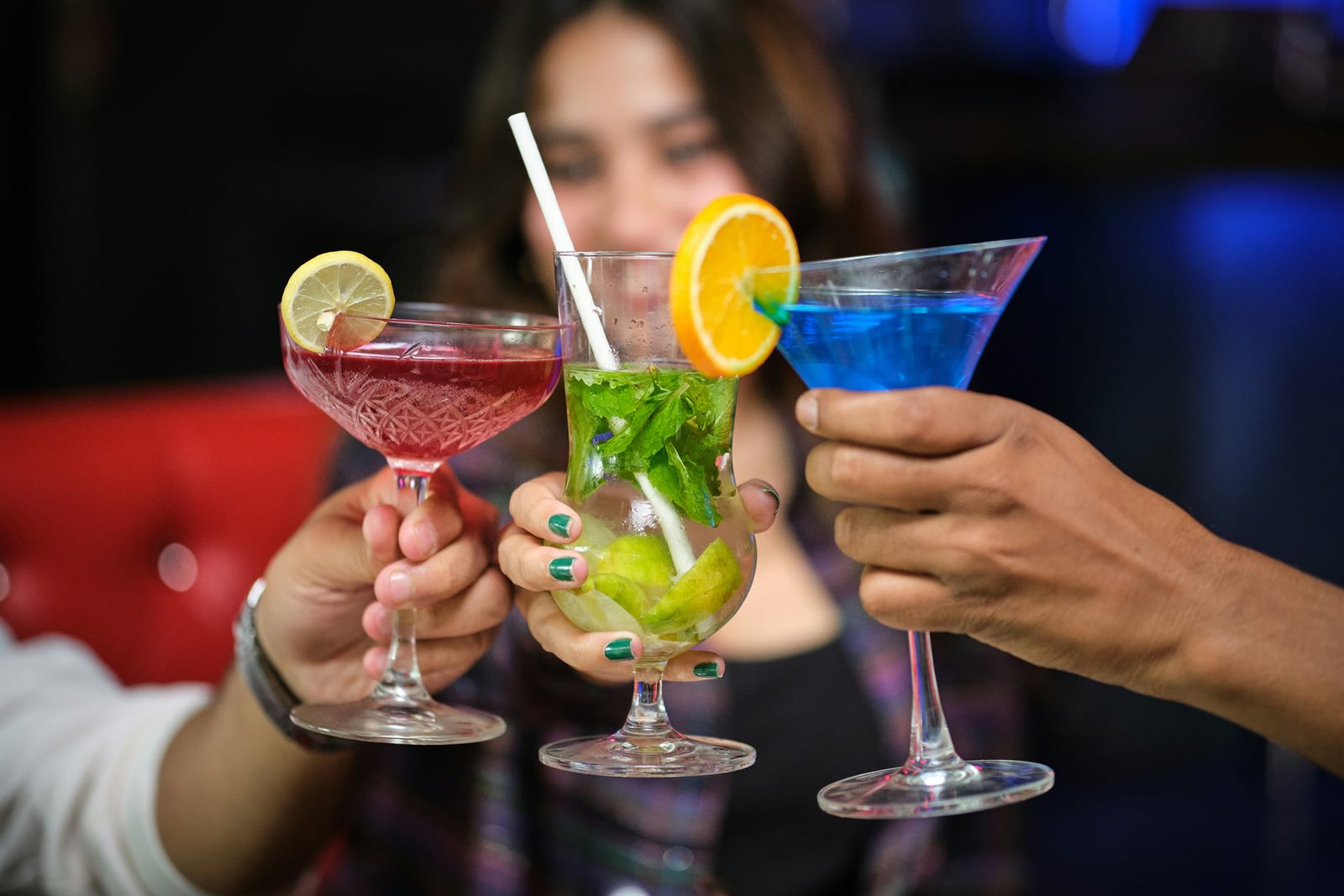
Walk into any craft cocktail bar in a major city and look at the menu. Alongside the negronis and espresso martinis you'll find a growing section: zero-proof drinks, alcohol-free spirits, mocktails priced identically to their alcoholic equivalents. These aren't afterthoughts for designated drivers. They're a response to a measurable, accelerating shift in how young people relate to alcohol.
The question this article addresses is simple but consequential: is this a lasting cultural change, or a phase that fades as Gen Z ages into full adulthood and discovers what previous generations discovered — that a glass of wine at the end of a hard day is one of life's small mercies? The answer has implications far beyond pub revenue. It touches public health, mental health, the economics of hospitality, and something harder to quantify: the role that alcohol has played, for millennia, as a social lubricant and cultural ritual.
What the Evidence Shows
The data is consistent across multiple countries and research teams. In the UK, the proportion of 16–24 year olds who report never drinking rose from 18% in 2005 to 26% in 2022, according to the Office for National Statistics. In the US, Gallup polling shows alcohol consumption among 18–34 year olds has fallen from 72% in 2001 to 62% in 2023 — a ten-point drop in two decades. Among younger cohorts within Gen Z, the numbers are starker still. IWSR Drinks Market Research, which tracks alcohol sales globally, found that the no- and low-alcohol category grew by 7% in volume across ten key markets in 2023 alone.
"Gen Z is not just drinking less — they are actively constructing an identity around sobriety in a way that no previous generation has done."
Professor Richard Wilkinson — Institute for Alcohol Studies, 2024What makes this shift feel durable rather than cyclical is that it tracks alongside broader identity markers. Sober-curious content on TikTok and Instagram reaches hundreds of millions of views. "Dry January" — once a fringe public health campaign — has become a mainstream annual ritual with commercial sponsors. Celebrity sobriety has been destigmatised to the point of being aspirational. And the fitness culture that dominates Gen Z social media is, structurally, incompatible with heavy drinking. You cannot optimise your sleep score, track your resting heart rate, and chase a 5K personal best while drinking heavily on weekends.
"Sobriety used to be something you hid. For Gen Z, it is increasingly something you post about."
Why This Is Happening
Health consciousness has gone mainstream. Wearable devices that track sleep quality, heart rate variability, and recovery scores have made the physiological cost of alcohol visible in real time. When your smartwatch tells you that two glasses of wine reduced your sleep quality by 30%, the hangover is no longer just subjective misery — it's a data point. Young people optimising their bodies as a lifestyle project are finding that alcohol is one of the easiest variables to cut.
Cannabis has entered the picture as a direct competitor. In US states where cannabis is legal, research from the American Journal of Health Economics found alcohol sales fell by 13% in the years following legalisation. For young people seeking altered states, relaxation, or social lubrication, cannabis offers a culturally novel alternative that carries less stigma than it once did and — depending on consumption habits — fewer next-day consequences.
Social media has changed the calculus of intoxication. Getting drunk used to happen mostly in private social spaces where memory was fallible and consequences were local. It now happens in front of cameras, in real time, with permanent records. The embarrassing night out that previous generations could laugh off the next morning now lives on Instagram Stories and group chats. For a generation acutely aware of their digital footprint, this has quietly raised the social cost of visible intoxication.
What Could Happen
By 2034, alcohol consumption among 18–35 year olds falls another 10–15 percentage points in the US and Western Europe. The hospitality industry accelerates its pivot to premium no-alcohol products. Major beer and spirits brands — Heineken, Diageo, AB InBev — derive a growing share of revenue from zero-proof lines. Alcohol-related hospital admissions and liver disease rates among under-40s fall measurably. Dry bars and sober social venues become established features of major cities.
As Gen Z members hit their late twenties and thirties — mortgages, young children, career stress — their drinking patterns converge toward those of previous generations. The social role of alcohol as a pressure valve reasserts itself. Consumption stabilises rather than continuing to fall. The no-alcohol category retains its market niche but doesn't displace traditional drinking. This is the alcohol industry's best-case scenario, and mirrors what happened when similar predictions were made about Gen X in the 1990s.
The sober-curious movement hardens into a lasting majority lifestyle for under-40s. Social norms around alcohol shift as dramatically as norms around smoking did between 1970 and 2000. By 2034, the majority of social occasions for young adults in wealthy countries are alcohol-free by default, not exception. Pubs and bars that don't adapt close in significant numbers. Public health outcomes improve sharply. This scenario is plausible but requires the trend to accelerate beyond its current trajectory.
What Can We Do
This trend creates both individual choices and collective opportunities. Whether you drink or not, understanding the shift matters.
For individuals reconsidering their relationship with alcohol, the evidence strongly supports experimenting with reduction. Even cutting to two or three drinks per week is associated with measurable improvements in sleep quality, cardiovascular health, and mental clarity. You don't need to adopt a sober identity — you just need to notice the difference.
For the hospitality industry, the time to invest in premium no-alcohol offerings is now, not when the trend becomes impossible to ignore. The no- and low-alcohol market is growing fast enough that early movers will define the category. The brands that treated zero-proof as a niche afterthought in 2020 are scrambling to catch up in 2026.
For public health policymakers, this is a rare moment of genuine good news. Alcohol-related harm costs the UK alone an estimated £27 billion per year. A sustained fall in young adult drinking will reduce those costs significantly over the next decade. The policy priority should be ensuring the trend is reinforced, not undermined — which means reviewing alcohol advertising that still saturates sports broadcasts and social media.
For parents and educators, the conversation about alcohol has shifted. Young people today need less warning about the dangers of drinking and more affirmation that choosing not to drink — or drinking far less — is now genuinely normal and socially unremarkable. The stigma that once attached to abstinence has largely dissolved.
- Office for National Statistics UK — Adult Drinking Habits in Great Britain, 2022
- Gallup — Consumption Habits Survey, Alcohol and Young Adults, 2023
- IWSR Drinks Market Research — No- and Low-Alcohol Strategic Study, 2024
- American Journal of Health Economics — Cannabis Legalisation and Alcohol Sales, 2023
- Institute for Alcohol Studies — Generation Drink Report, 2024
- Forecast The World Research Desk — 800+ data sources