The Question
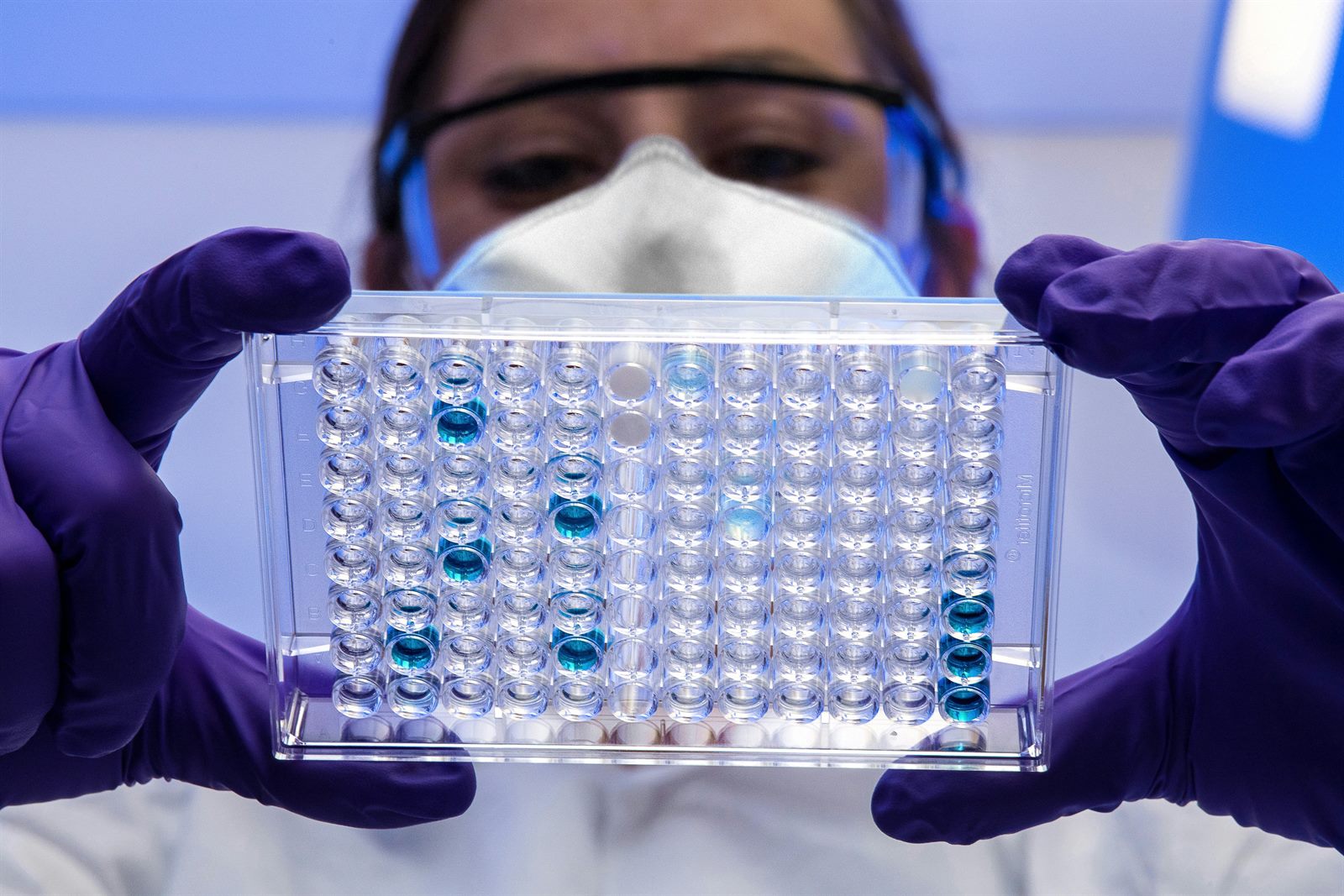
A couple in New Jersey sits in a clinic. They have produced eleven embryos via in vitro fertilisation, and a company called Genomic Prediction has sequenced each one, ranking the embryos by their predicted lifetime risk of type 1 diabetes, schizophrenia, heart disease, and a dozen other conditions. They are not wealthy eccentrics; this is now a standard commercial service, offered to any IVF patient for roughly $1,000 extra. They pick Embryo 7 — the lowest predicted disease burden of the eleven.
This is not science fiction. It is happening in clinics across the United States right now. Pre-implantation genetic testing (PGT) has existed for decades, screening for chromosomal abnormalities and single-gene disorders like cystic fibrosis or Huntington's disease. What is new, and accelerating at a pace that has caught most policymakers off guard, is the extension of this screening to complex polygenic traits — conditions caused not by a single faulty gene but by hundreds or thousands of variants scattered across the genome. We are, with very little public debate, entering the era of the optimised embryo.
What the Evidence Shows
Pre-implantation genetic testing for monogenic disorders (PGT-M) has been offered since the early 1990s, screening for single-gene conditions — BRCA1/2 mutations, Tay-Sachs, the repeat expansion behind Huntington's. Where one or both parents carry known mutations, this is unambiguously therapeutic: it prevents a child from being born into certain suffering. More than 200 conditions can now be screened this way.
What changed is the arrival of polygenic risk scores (PRS) applied to embryo selection. Companies like Genomic Prediction (North Brunswick, New Jersey) and MyOme (Menlo Park, California) now offer whole-genome sequencing of embryos followed by polygenic scoring — calculating each embryo's statistical risk for conditions involving potentially thousands of small-effect variants across the genome. A 2019 paper in Cell showed that scores derived from adult genome-wide association studies could be applied to embryo selection for traits like coronary artery disease. Genomic Prediction claims its IVF-Select score can identify embryos with substantially lower predicted lifetime risk of schizophrenia, type 2 diabetes, and breast cancer.
"We are not designing babies. We are selecting among the embryos that nature already produced. The embryos we don't choose are not destroyed in some cases — they are frozen. But I understand the discomfort. When you rank embryos by predicted IQ, you have crossed a line that most people feel viscerally."
— Nathan Treff, co-founder of Genomic Prediction, speaking at the ESHRE annual meeting, 2023The He Jiankui case of 2018 showed how quickly the field can move into territory that alarms even its own practitioners. The Chinese biophysicist used CRISPR-Cas9 to edit the germline of two embryos — Lulu and Nana — disabling the CCR5 gene to provide putative HIV resistance. The twins were born; He was sentenced to three years in prison. The scientific community's condemnation was near-unanimous: not because the goal was wrong, but because the science was premature, consent inadequate, and the risk of off-target edits unknown. Yet the case proved germline editing in humans is technically feasible. The barrier was ethical and regulatory, not scientific.
"If you could reduce your child's risk of Alzheimer's by 40% before they were born, would you? Most parents, given the chance, would say yes. That answer changes everything."
Why This Is Happening
The genomic data explosion. The UK Biobank, the US All of Us programme, deCODE Genetics in Iceland, and dozens of national biobanks have assembled genetic data on millions of individuals, linked to longitudinal health records. This has driven a leap in the reliability of polygenic risk scores. A PRS for coronary artery disease built in 2012 explained about 4% of variance in disease risk; by 2023 the same metric explained closer to 16%, and the trajectory is still rising. Better data means better embryo predictions.
IVF is becoming mainstream. Roughly 2.5% of US births now involve assisted reproductive technology; in Denmark and Israel the figure exceeds 5%. As IVF becomes cheaper — driven by competition and telehealth clinics — the population with access to embryo selection is growing. An estimated 500,000 IVF cycles are performed annually in the US alone.
The regulatory vacuum in the United States. The European Union restricts PGT to serious medical conditions, and Germany, France, and Italy prohibit or strictly limit selection for disease-susceptibility traits. The United Kingdom permits it only for conditions approved case-by-case by the Human Fertilisation and Embryology Authority. The US has no such framework: the FDA regulates laboratory devices but has no authority over the clinical use of genetic information in embryo selection. Genomic Prediction operates entirely within the law. Washington's silence is itself a policy choice — one that lets the market lead.
What Could Happen
As costs fall below $500 and clinical evidence for disease risk reduction accumulates, embryo polygenic scoring becomes a routine offering at IVF clinics in the United States, Australia, and other permissive jurisdictions. Public debate remains vigorous but reactive; no comprehensive federal legislation passes. A generation of children is born with measurably lower lifetime risks of certain diseases, creating a de facto two-tier reproductive medicine: those who went through IVF with selection and those who did not.
A clinic in a country outside the International Commission on the Clinical Use of Human Germline Genome Editing's reach — potentially in a Gulf state or Southeast Asia — offers CRISPR-based germline editing for a single high-penetrance disease variant. The first edited birth triggers an international crisis and accelerates calls for a global treaty. The technology's genie is already partially out of the bottle.
Leaked marketing materials from a fertility company explicitly advertising embryo selection for predicted cognitive ability trigger congressional hearings, a media firestorm, and — unusually for the United States — bipartisan legislation restricting polygenic embryo selection to clinically validated medical indications. This is less likely because the political coalition required is difficult to assemble and the industry lobbying is already well-funded.
What Can We Do
The decisions being made in fertility clinics today will shape the biological composition of the next generation. How much selection is acceptable — and who gets to make that call — is one of the century's most consequential ethical challenges. But it is not unanswerable, and there are concrete steps societies can take now.
Establish a regulatory framework before the market is fully set. The US needs an equivalent of the UK's Human Fertilisation and Embryology Authority — a standing expert body with statutory power to approve or restrict new PGT applications. The longer Congress waits, the harder it becomes to unwind practices that are already widespread.
Mandate genetic counselling for all PGT-PRS procedures. Polygenic risk scores are probabilistic, not deterministic. A score that says an embryo has a 35% higher lifetime risk of schizophrenia does not mean that embryo will develop schizophrenia. Couples making irreversible decisions based on these numbers deserve independent, evidence-based counselling about what the numbers actually mean — not just a sales pitch from the company providing the test.
Fund disability rights and bioethics research in parallel with the science. The fastest-moving argument against expansive embryo selection comes not from religious conservatives but from the disability rights community, which argues that selecting against embryos with predicted disability traits sends a message that existing people with those conditions are less valuable. This is a serious argument that deserves serious institutional attention, not dismissal.
Address the equity problem now. If the children most likely to avoid genetic disease are those of educated, affluent IVF patients, we are building a genetic underclass by omission. Subsidised access to PGT for serious monogenic conditions — which several European countries already provide — is one mechanism. Broader deliberation about whether optimised reproduction should be a private luxury or a public health tool is overdue.
- Genomic Prediction — IVF-Select clinical documentation, 2024
- Nature Medicine — "Polygenic risk scores for embryo selection," Vol. 29, 2023
- HFEA (UK) — Annual report on pre-implantation genetic testing, 2024
- He Jiankui trial proceedings — Shenzhen court records, 2019
- MyOme — Whole-genome embryo sequencing white paper, 2023
- Forecast The World Research Desk — 800+ data sources