The Question
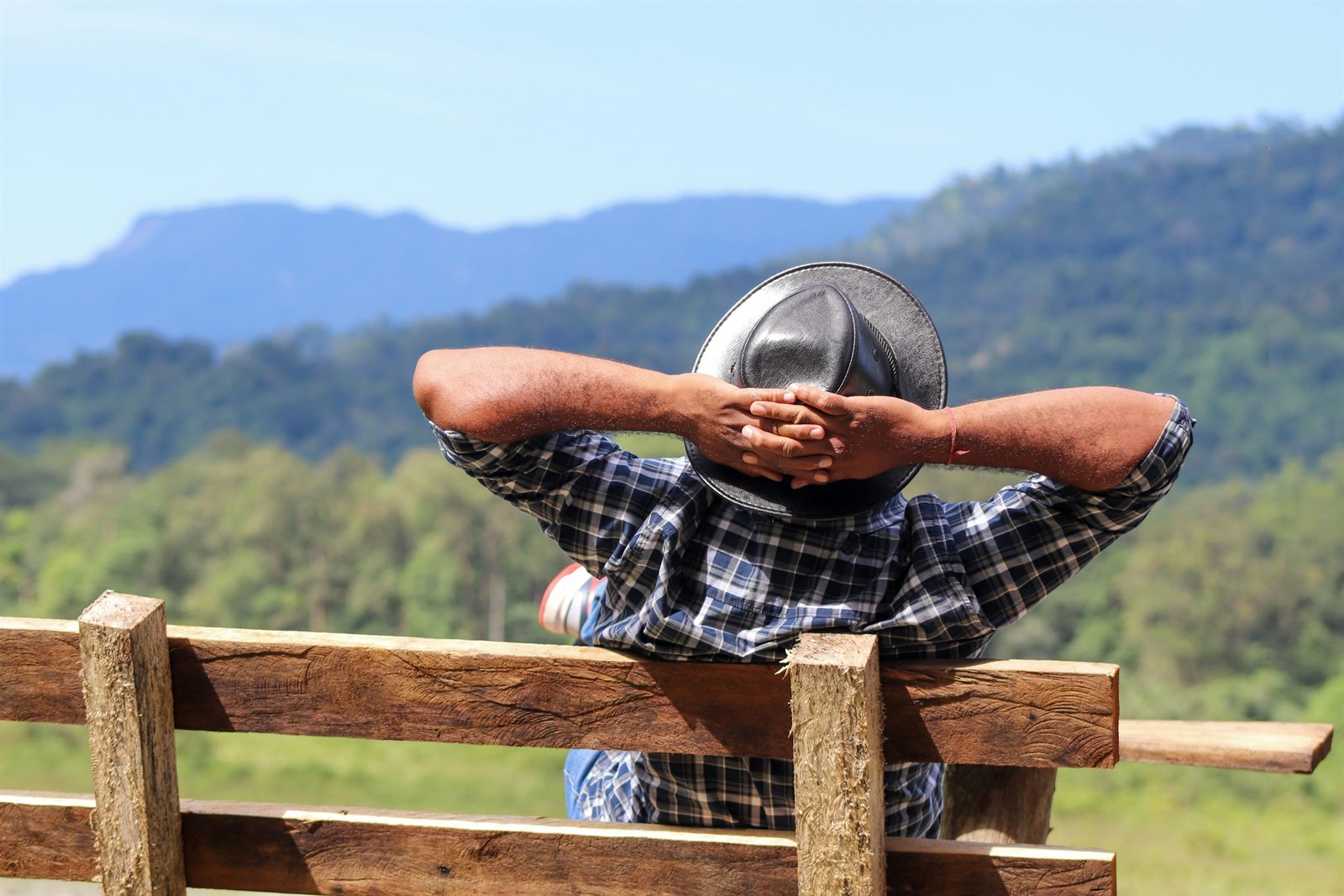
Hustle culture peaked somewhere around 2018. The signs were there in the data before they were visible in the culture: burnout rates were climbing, productivity per hour was declining despite longer hours, and the countries with the shortest working weeks were consistently ranking highest on happiness indices.
Slow living is not laziness. It is the deliberate choice to prioritise depth over volume — fewer commitments pursued with more attention, more time in nature, more cooking, more genuine rest. The question is whether this remains a niche aspiration or whether it reaches the majority of adults as a conscious, practised lifestyle choice.
What the Evidence Shows
The World Happiness Report 2025 found that the countries scoring highest for life satisfaction — Finland, Denmark, Iceland, the Netherlands — share a common trait: they work significantly fewer hours than average and have strong cultural norms around rest, nature, and time with others. The correlation is not coincidental.
In the United States, the number of adults identifying as "intentionally reducing their pace of life" grew from 14% in 2019 to 31% in 2024, according to the American Psychological Association's annual stress survey. The most dramatic shift is among 25-to-40-year-olds — the cohort that bore the full weight of hustle culture's peak years.
"Countries where people work fewer hours consistently rank among the happiest. The relationship between busyness and wellbeing is negative — and it is getting more negative as hours rise."
World Happiness Report — Gallup World Poll, 2025The slow living movement has strong digital infrastructure now — nearly 8 billion views on the #SlowLiving hashtag across platforms — but its most durable forms are offline: community gardens, local food movements, analogue hobbies, and intentional unplugging. These activities share a common mechanism: they return time and attention to the person practising them.
"Busyness was never a badge of honour. The data just took a while to prove it."
Why This Is Happening
Burnout has reached crisis level. The WHO formally recognised burnout as an occupational phenomenon in 2019. Since then, long-term sick leave attributed to work-related exhaustion has risen 34% across OECD nations. When people burn out badly enough, they reassess fundamentally — and rarely choose more speed on recovery.
Remote work created unexpected space. The commute disappearing gave millions of people a daily hour or two back. Many used it to rediscover cooking, reading, walking, and neighbourhood. The pandemic was devastating in many ways, but it gave an accidental glimpse of what a slower pace felt like — and many didn't want to give it back.
Gen Z is rejecting the aspiration entirely. Younger adults entering the workforce in large numbers are not adopting the hustle identity that defined Millennials. "Quiet quitting," "bare minimum Mondays," and the South Korean concept of sohwakhaeng — small but certain happiness — are not just trends. They are a generation redefining success away from volume and toward quality of experience.
What Could Happen
By 2030, the majority of adults under 45 consciously identify as pursuing a slower, more intentional pace. Employers adopt four-day weeks, cities redesign for walking and gathering, and schools teach mindfulness and depth of attention as core skills.
Society bifurcates: a fast-paced professional class and a growing slow-living counter-culture exist in parallel. Slow living grows but does not dominate — instead it becomes a recognised and respected alternative rather than the mainstream.
A prolonged economic downturn makes slow living a luxury few can afford. Financial insecurity drives people back to overwork out of necessity, stalling the movement's growth.
What Can We Do
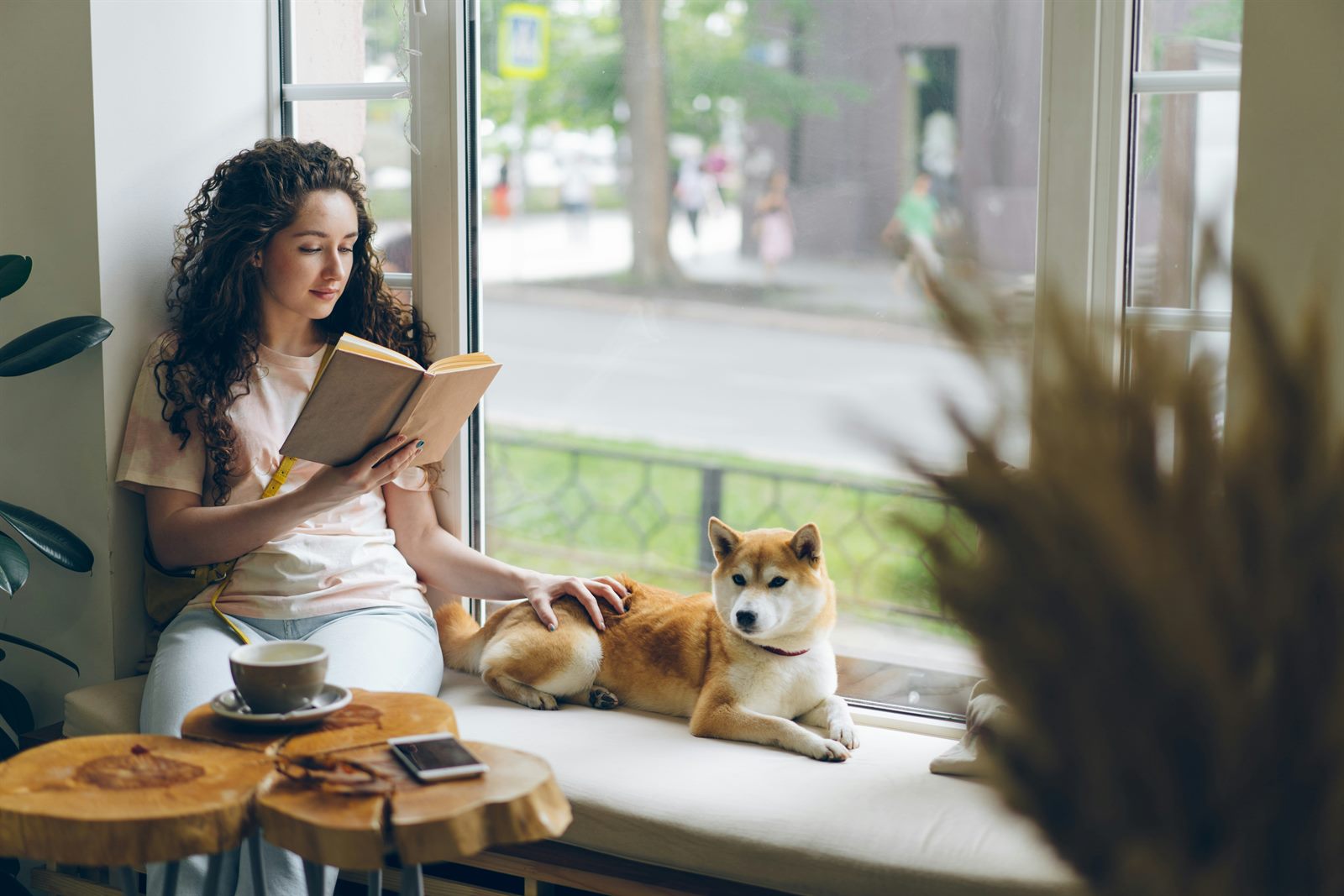
You do not need to wait for policy to change your pace. Slow living is available now, in small daily decisions that compound into a different quality of life.
Audit your commitments ruthlessly. List everything you are currently committed to — work projects, social obligations, subscriptions, obligations you never consciously chose. Then ask: which of these would I choose again today? Remove one thing. Then another.
Protect one meal per day from screens. Eating slowly and without distraction — even once a day — has been shown to reduce stress hormones, improve digestion, and increase meal satisfaction. It is the single easiest slow-living practice to start immediately.
Replace scrolling time with making time. Cooking, gardening, drawing, woodworking, playing an instrument — any creative physical practice produces engagement and flow states that social media cannot replicate. The research consistently shows that "making" activities produce longer-lasting satisfaction than consuming activities.
Walk further and drive less. Walking is both a slow-living practice and the most evidence-backed wellbeing intervention available. A 20-minute walk without a destination or podcast is a reset that most people underestimate. Walking to places you currently drive to compounds the effect.
Say no one extra time per week. Slow living is fundamentally about choosing. Every "no" to something that drains you is a "yes" to something that restores you. One boundary per week, practised consistently, reshapes your life within a year.
- Helliwell, Layard & Sachs — World Happiness Report, 2025
- WHO — Burnout as an Occupational Phenomenon, ICD-11, 2019
- American Psychological Association — Stress in America Survey, 2024
- OECD — Working Hours and Life Satisfaction Index, 2024
- Csikszentmihalyi — Flow: The Psychology of Optimal Experience, 1990
- Kahneman & Deaton — High Income Improves Evaluation of Life, PNAS, 2010
- Forecast The World Research Desk — 800+ data sources