The Question
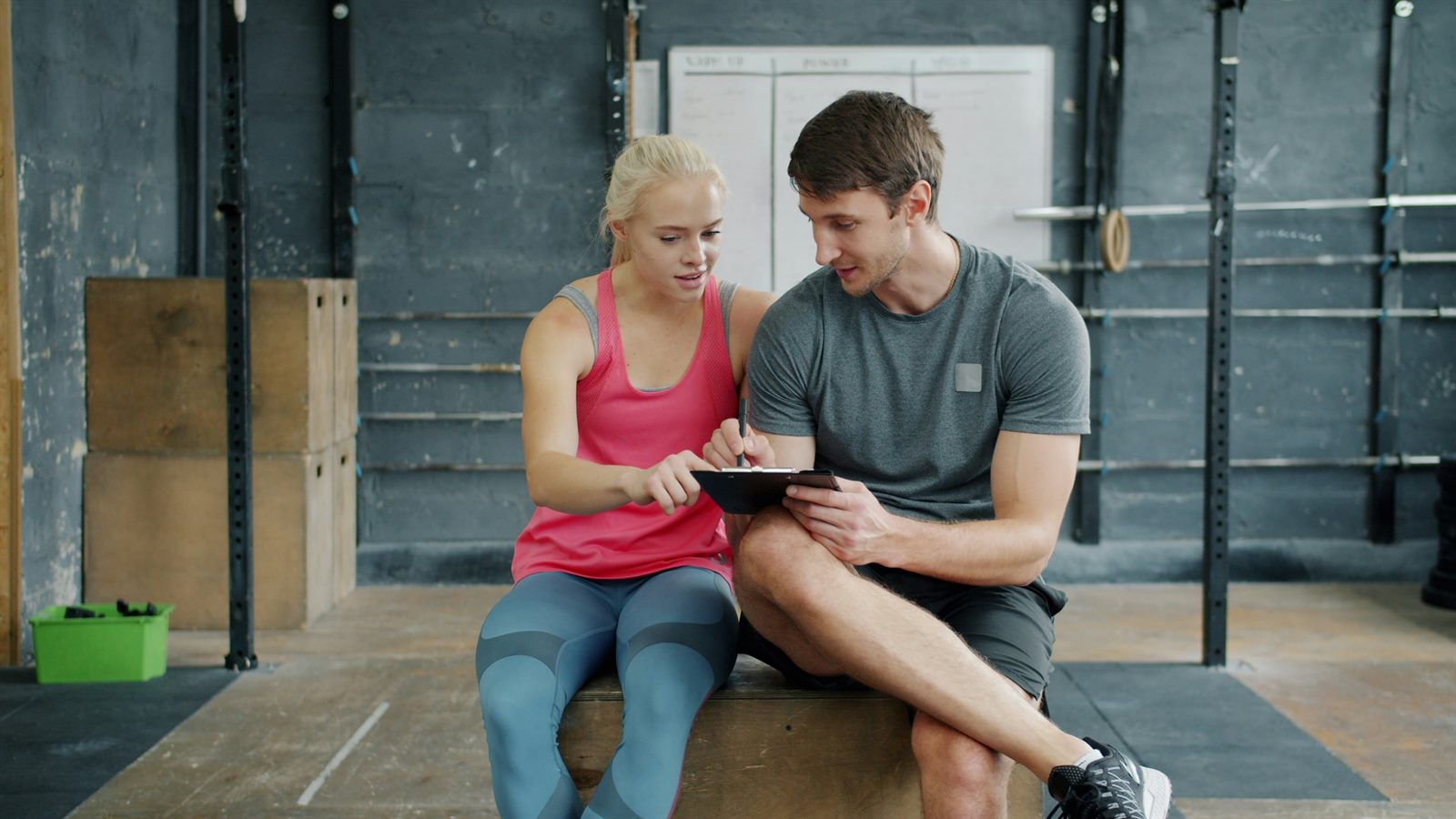
The research on personal coaching is compelling: people with coaches set more ambitious goals, achieve them more consistently, and report higher satisfaction with their progress. Fortune 500 CEOs, elite athletes, and high-performing executives have used personal coaches for decades. The reason most people haven't had one is simple — it was expensive, scarce, and required a scheduled appointment.
AI changes all three of those constraints simultaneously. A sophisticated AI assistant can know your history, understand your patterns, ask the right questions, challenge your assumptions, and be available at 2am when you are having the thought that matters. The question is whether this form of support, now available to everyone, will actually be adopted at scale.
What the Evidence Shows
A 2023 meta-analysis of 18 studies on executive coaching found that coached individuals showed a 37% improvement in goal achievement, a 40% improvement in work-life balance ratings, and a 43% boost in self-confidence compared to uncoached peers. These are not marginal effects — they are among the largest wellbeing interventions in the research literature.
The early AI coaching platforms — Replika, BetterUp, Woebot, Coach.me, and the AI features embedded in Apple Health and Google Fit — are already showing adoption rates that suggest mainstream penetration is closer than most expect. Woebot, an AI mental health coach, has held over 100 million conversations. BetterUp, which provides AI-assisted human coaching to corporate employees, has served over half a million clients in its first four years.
"Coaching is the most powerful leadership development tool available — but it has never been available to ordinary people. AI changes the economics of coaching more fundamentally than any previous technology."
Harvard Business Review — The Future of Coaching, 2024The critical development is context awareness. Early AI assistants were stateless — every conversation started from zero. The newest generation of AI coaches maintains a persistent understanding of who you are, what you are working toward, where you have struggled, and what has worked for you. This is what human coaches provide — and what makes the relationship valuable over time.
"The most valuable conversation you can have may soon be with an AI that knows you better than you know yourself."
Why This Is Happening
AI has crossed the threshold of emotional intelligence. The latest generation of large language models can maintain nuanced, empathetic conversations that feel qualitatively different from earlier AI interactions. Users report feeling understood, not processed. This is the prerequisite for coaching — and it is now technically available at scale.
The personal development market is massive and underserved. The global personal development market is estimated at $50 billion and growing at 8% annually. The vast majority of that market is served by books, courses, and podcasts — passive consumption rather than active coaching. AI inserts an interactive layer that is fundamentally more effective than passive content.
Mental health systems are overwhelmed. Therapist shortages, long waiting lists, and high costs mean that millions of people who need professional support cannot access it. AI coaching — which operates in the space between casual conversation and clinical therapy — fills a gap that the healthcare system cannot serve at the required scale.
What Could Happen
By 2028, the majority of adults use an AI coaching layer as routinely as email or maps — for goal-setting, habit tracking, reflection prompts, and accountability. Human coaches remain for high-stakes transitions, but AI handles daily development support for most people.
AI coaching achieves strong adoption among educated professional classes but struggles to penetrate broader demographics. The promise of democratisation is partially fulfilled — but a new coaching divide emerges between those who use AI development tools effectively and those who don't.
Rather than being replaced by AI, human coaches use AI tools to serve ten times as many clients at fraction of the cost. AI handles the daily touchpoints; human coaches provide the high-value breakthrough sessions. A hybrid model becomes the dominant paradigm.
What Can We Do

The tools exist now. You don't need to wait for the technology to mature further — the current generation is already significantly better than having no coach at all.
Start with one question per day. The simplest way to begin is to ask an AI one reflective question each morning: "What is the most important thing I can do today?" or "What am I avoiding that I know I should address?" Treat the response as a prompt for thought, not a command. The habit of daily reflection is the foundation of all effective coaching.
Share your goals explicitly and specifically. An AI coach is only as useful as the goals you give it. Be specific: not "get healthier" but "walk 8,000 steps daily and sleep by 10:30pm five nights per week." Return to these goals regularly and report on your progress. Accountability only works when the goals are concrete enough to measure.
Use AI for the conversations you're not having with anyone else. The most valuable coaching happens around the things we're not saying out loud — the career path we're afraid to pursue, the relationship pattern we know we need to change, the ambition we've been too embarrassed to name. An AI has no judgement and no agenda. Use that.
Review your week every Sunday. A weekly review — what went well, what didn't, what I want to do differently — is one of the highest-leverage habits in the productivity research. Ask an AI to guide you through it. Twenty minutes on Sunday will repay itself tenfold across the week.
Combine AI with human accountability. Share your AI-generated goals and insights with one person you trust. The combination of AI's availability and human social accountability produces better outcomes than either alone. You get the always-on intelligence of AI and the irreplaceable weight of human witness.
- Grant et al. — Executive Coaching Outcomes Meta-Analysis, Journal of Positive Psychology, 2023
- Harvard Business Review — The Future of Coaching in the Age of AI, 2024
- Woebot Health — Clinical Outcomes Report, 2023
- BetterUp — The Whole Person Model: Coaching at Scale, 2024
- Grand View Research — Personal Development Market Size & Trends, 2024
- WHO — Mental Health Atlas: Global Treatment Gap, 2023
- Forecast The World Research Desk — 800+ data sources