The Celebration Paradox
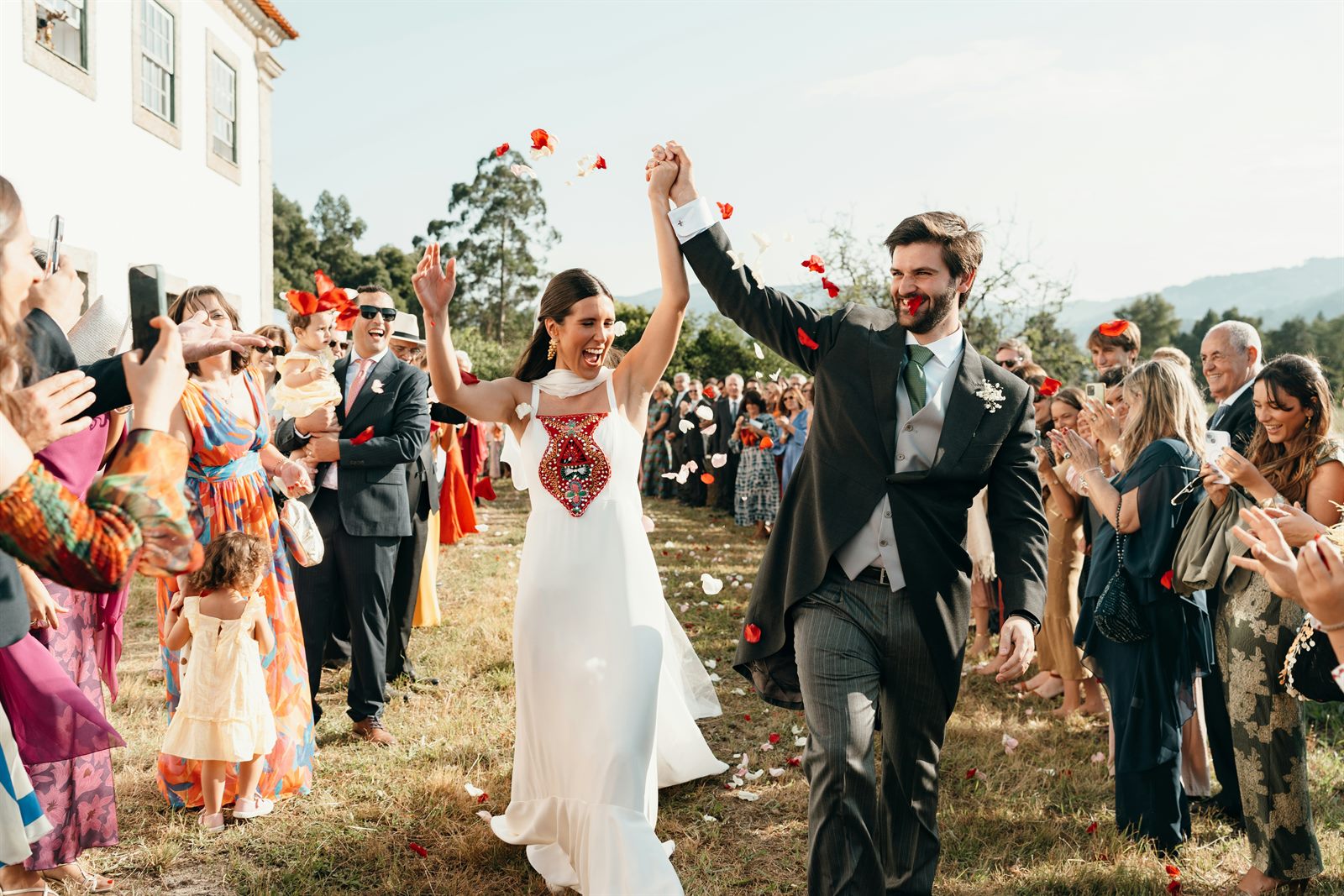
The wedding industry in the US reached $57.9 billion in 2023. The average wedding cost $29,195. Yet divorce rates remain at 40%, and post-wedding depression — a documented phenomenon — affects 1 in 10 couples immediately after what should have been the happiest day of their lives. We have industrialised celebration to the point where the form has displaced the meaning.
The pattern repeats at every milestone. Graduation parties that cost more than a semester's tuition. Birthday celebrations curated for social media documentation before they are experienced by the person being celebrated. Baby showers that function as brand partnerships. Somewhere between genuine joy and performed happiness, we lost the thread of what we were actually doing and why.
The Research on What Makes Celebration Meaningful
Studies from the Journal of Positive Psychology consistently show that the factors predicting whether a celebratory event feels meaningful are: personalisation (was this about me specifically?), presence (were the right people there, fully present?), and story (was there a narrative arc that acknowledged both past and future?). Scale, expense, and public visibility are not predictors of meaning. They are often inversely correlated.
The research is striking in its consistency. A handwritten note that took ten minutes to write is remembered more vividly than a catered event that cost thousands. A gathering of seven people who truly know the person being celebrated produces more emotional resonance than a reception of two hundred. The gap between what we spend on celebration and what we feel from it is one of the great disconnects of contemporary life.
"The most meaningful celebrations in people's lives are almost always the smallest ones — the ones where someone went to genuine effort to see them, not to perform something impressive."
Dr. Sonja Lyubomirsky — The How of Happiness, 2008What this tells us is not that celebration is broken as a concept. It is that we have systematically misidentified what makes it work. We have optimised for scale when we should have optimised for specificity. We have invested in spectacle when the evidence says we should have invested in attention.
"A celebration that is designed for a photo before it is designed for a person is not really a celebration. It is a production."
What's Changing
The micro-wedding industry grew 300% since 2021. Ten guests. A meaningful location. A three-hour event that everyone will remember because it was genuinely theirs. Couples who were told this was a compromise are discovering it is a liberation — from the planning, from the debt, from the performance, and into the actual experience of getting married in front of the people who matter most.
Experience gifts are displacing physical gifts at significant rates across all age groups. Rather than buying an object that will be forgotten, people are giving experiences — a weekend away, a class, a meal, a day together doing something specific to that person. The gift economy is slowly reorienting around time and attention rather than objects.
Milestone journalling — marking transitions with reflection rather than party — is a growing practice, particularly among younger adults who came of age during COVID lockdowns and discovered that internal marking of milestones is possible and meaningful even without external event. The habit has persisted beyond the circumstances that created it.
Bespoke ritual design — professional celebrants helping people create genuinely personal ceremonies for life transitions — is a new and growing industry. Secular celebrants who specialise in meaningful ceremony for non-religious people are being hired not just for weddings and funerals but for house moves, career changes, end of cancer treatment, and significant birthdays. People are choosing meaning over scale.
What Could Happen
Weddings, birthdays, and milestones become more personal and less performative. The micro-wedding becomes the norm rather than the exception. Experience gifts become standard. Professional celebrants and ritual designers become mainstream. Depth replaces scale as the primary measure of a successful celebration.
The gap between what we want and what we perform widens. Costs continue to rise, dissatisfaction continues to grow, but the social pressure to perform large celebrations proves too powerful to resist. The wedding industry reaches $70 billion. Post-celebration depression becomes a recognised clinical category.
Formally replacing the role religion used to play in marking transitions, professional celebrants become as standard as registrars. Communities develop shared secular rituals for birth, coming of age, marriage, career change, and death. Celebration becomes a designed practice with recognised frameworks rather than an improvised performance.
What Can We Do

The next time you plan a celebration — for yourself or someone else — ask one question first: what would make this person feel truly seen? Not what would look impressive. Not what is expected. What would make them feel specifically, precisely, unmistakably celebrated? Build from there. Everything else is noise.
Personalisation is the highest-leverage investment. A celebration that contains three specific references to who this person actually is — their history, their loves, their particular way of being in the world — will be remembered when a generic party of any size is forgotten. Write the speech. Invite the person from twenty years ago they haven't seen. Cook the specific meal from a specific memory. These things cost nothing except attention, which is the one thing that cannot be outsourced.
Presence over headcount. The research on celebration consistently finds that the variable that matters is not how many people were there but how fully present the right people were. Ten people who put their phones down and genuinely focused on the person being celebrated will produce more meaning than a hundred who were there socially. Smaller gatherings make full presence possible in a way that large events cannot.
- The Wedding Report — US Wedding Industry Statistics, 2023
- Lyubomirsky, S. — The How of Happiness, 2008
- Journal of Positive Psychology — Predictors of Celebration Meaning, 2022
- The Micro-Wedding Collective — Industry Growth Report, 2024
- Association of Celebrants — Professional Growth Data, 2024
- Forecast The World Research Desk — 800+ data sources