The Question
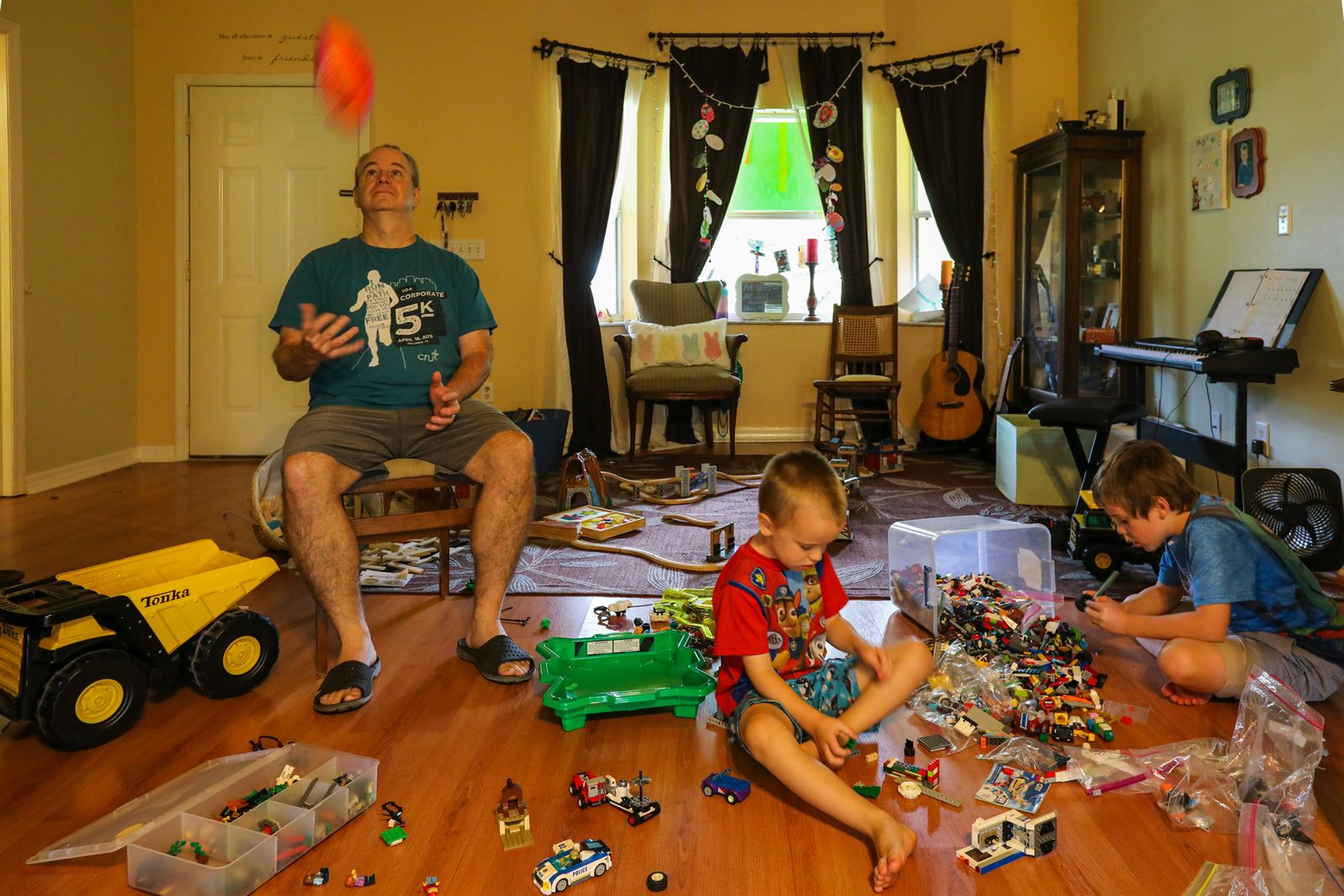
The home-as-sanctuary movement is not about real estate or interior design. It is about a fundamental reorientation of where people locate the centre of a good life. For most of the 20th century, home was where you slept between the things that mattered — the office, the restaurant, the event, the destination. Life happened elsewhere. Home was the in-between.
That relationship is reversing. Not because people cannot afford to go out — though the economics are a factor — but because something deeper has shifted. A generation that spent years treating home as a functional space, a storage unit with a bed, has begun to ask a different question: what if here, precisely here, is where I want to be? What we are tracking is whether this reorientation is permanent, or whether it will fade as the world reopens and the habits of before reassert themselves. Our model says it is permanent — and the structural forces behind it are difficult to understate.
What the Data Shows
Home improvement spending in the United States reached $567 billion in 2024 — a 40% increase from 2019. This is not simply pandemic catch-up. The spending has sustained across five years, across income levels, and across housing types. Sales of houseplants, quality bedding, kitchen equipment, cast iron cookware, and garden furniture have held at pandemic highs. People who discovered these things during lockdown did not stop buying them when it ended.
The search data is equally striking. Searches for "slow living", "hygge", "home sanctuary", and "cosy home" have grown 300% since 2020, and the trend shows no sign of reverting to baseline. These are not searches driven by a temporary crisis — they represent an ongoing, sustained curiosity about a particular way of inhabiting domestic space. And the self-report data confirms the shift: the number of people who describe their home as the place they feel "most themselves" has risen from 44% to 67% in Gallup surveys between 2019 and 2024. That is not a marginal shift. That is a reconfiguration of where people locate their sense of self.
"We over-indexed on the idea that experiences happen outside the home. In reality, the most defining experiences of human life — rest, intimacy, recovery, creativity — happen inside it."
Dr. Ingrid Fetell Lee — Joyful: The Surprising Power of Ordinary Things, 2018The category that perhaps best captures the shift is houseplants. Plant sales in the United States have risen 50% since 2019, with the strongest growth among 25–40-year-olds. This is not a practical purchase. No one needs a monstera. It is an investment in beauty, in aliveness, in the feeling of a space — the clearest possible signal that people are treating their homes as environments worth caring for, not just occupying.
"The home is not where you go between living. It is where you live."
Why This Is More Than a Trend
Remote work has permanently altered the relationship between people and their homes. When home is also the workplace, its quality becomes non-negotiable. A bad chair is a bad chair for eight hours a day. A dark room is a dark room for every meeting. The investment in making home genuinely good — genuinely liveable and beautiful and functional — is not a lifestyle choice when you spend 60% of your waking hours there. It is a practical necessity. And the habits formed in necessity tend to persist.
The pandemic's enforced domesticity revealed what had been neglected. Millions of people spent sustained periods at home for the first time in their adult lives and discovered that they had never really invested in it — the furniture was provisional, the walls bare, the kitchen a room they passed through. The act of being forced to be there created the conditions for noticing it, and noticing it created the conditions for changing it. That awareness does not disappear when the crisis ends.
The cost-of-living crisis has made going out genuinely expensive. A dinner for two at a mid-range restaurant in any major city now costs what a family grocery shop cost five years ago. A night out — drinks, food, transport — costs more than a quality kitchen appliance that will be used daily for ten years. When the economics of external experience become prohibitive, the investment in internal experience becomes rational. Home has to be worth being in, because it is increasingly where people are.
The loneliness epidemic has redirected attention inward. Home is not just a place — it is the place where the people you most want to be near spend their time. For people building or maintaining close relationships, the quality of the home environment is inseparable from the quality of those relationships. Investing in home is investing in the conditions for connection.
What Could Happen
The structural forces — remote work, cost pressures, the loneliness epidemic, and the cultural recalibration of the pandemic — combine to make home-as-sanctuary a lasting fixture of how we live. Spending on home quality sustains. The identity of someone who invests in their domestic environment becomes aspirational rather than merely domestic. The shift completes itself by 2030.
Cultural energy floods back into external experience — restaurants, events, travel, nightlife. Home returns to its pre-pandemic role as a launchpad. Spending on home improvement normalises to its historical trend. The pandemic era looks like an anomaly rather than a reorientation.
AR, VR, and immersive entertainment make the home a richer experiential environment than any external venue — not by making home calmer and more restorative, but by making it more stimulating than anywhere else. The home-as-sanctuary movement is overtaken by a home-as-everything movement that goes far beyond current trajectories.
What Can We Do

Audit your home for what makes it feel like you. Walk through each room slowly and ask — honestly — what belongs and what is simply there because you have never removed it. Remove what does not belong. This is not about minimalism. It is about intention.
Invest in one area that matters. Not a renovation. Not a project. One thing that you will use or see or feel every single day — a reading chair you actually want to sit in, a kitchen knife that makes cooking a pleasure rather than a friction, a plant on the windowsill, a quality lamp that makes the room feel warm after dark. Small investments in the right things compound faster than large investments in the wrong ones.
Make your bedroom genuinely dark and quiet. The bedroom is the room that most directly affects every other room — because sleep affects everything. Blackout blinds or curtains, a white noise machine if there is street noise, a phone left outside the door. The quality of the room where you recover determines the quality of everything you do in every other room.
Cook something on a Tuesday evening that takes two hours and fills the house with smell. This is not a productivity tip. It is the simplest possible way to make home feel like a place worth coming back to. The smell of something cooking transforms the atmosphere of a space in a way that no candle, no diffuser, and no interior design choice can replicate. Let home be worth returning to — not because it looks a certain way, but because it feels a certain way.
- Harvard Joint Center for Housing Studies — Home Improvement Spending Report, 2024
- Gallup — Home and Wellbeing Survey, 2024
- Fetell Lee, I. — Joyful: The Surprising Power of Ordinary Things, 2018
- National Gardening Association — Plant Sales Data, 2024
- Google Trends — "slow living" and "home sanctuary" search data, 2020–2025
- Forecast The World Research Desk — 800+ data sources