The Numbers
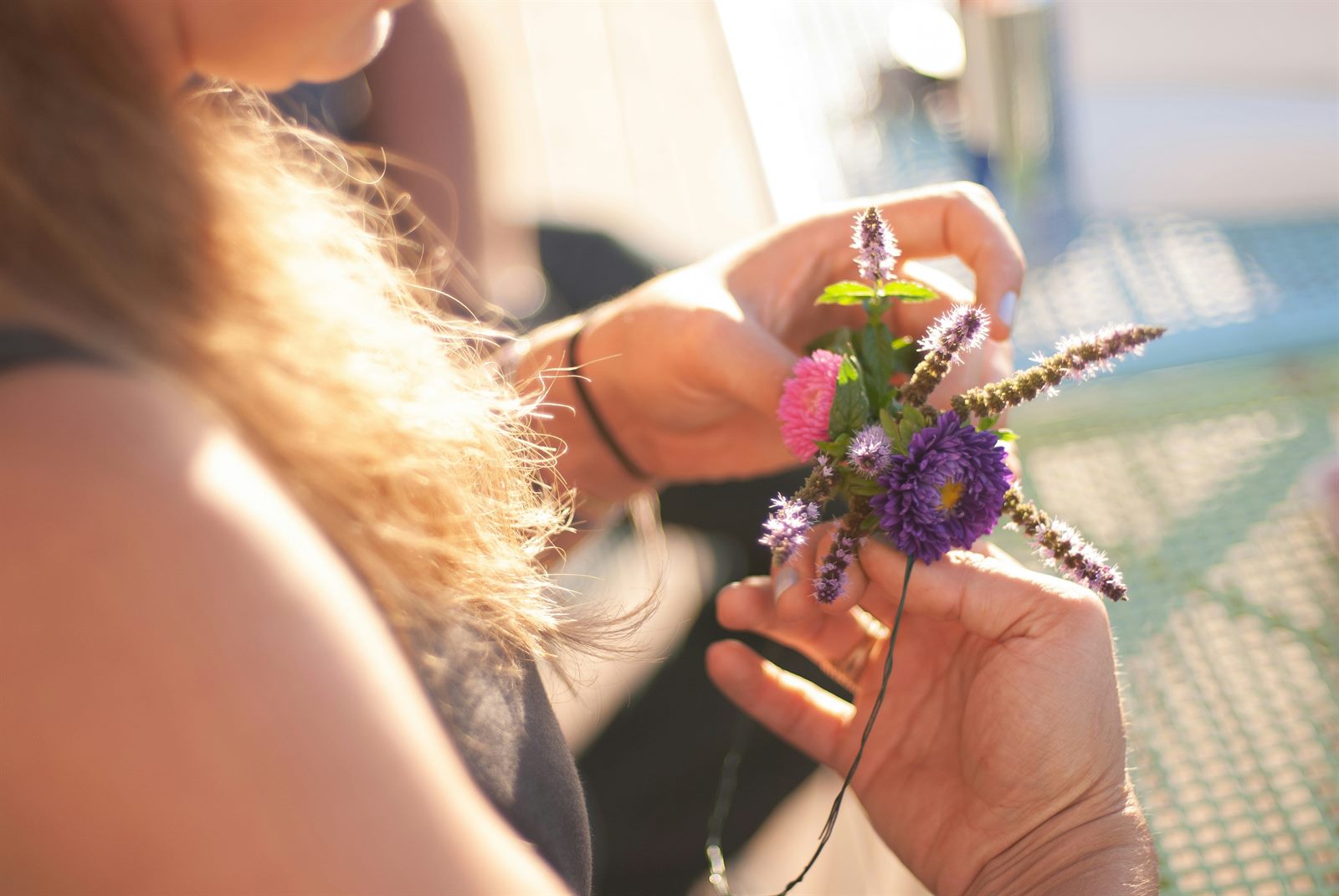
Etsy reported 90 million active buyers in 2024, with handmade goods up 34% year-on-year. YouTube's craft channels have accumulated over 40 billion views — a figure that would have been inconceivable a decade ago, and which dwarfs the audience for almost every other non-entertainment category on the platform. Pottery studios in major cities report multi-month waitlists. The Craft and Hobby Association recorded its highest consumer spending figure in 2024, exceeding even the pandemic highs when craft became a survival mechanism for locked-down households.
Knitting and crochet communities have grown 60% since 2019, with the fastest growth among adults under 35. This is the demographic least expected to pick up needles: digitally native, time-poor, with unlimited access to algorithmically curated entertainment. They are choosing to make hats and jumpers instead. The question is why, and the answer is more interesting than nostalgia.
The Psychology
Research by psychologist Mihaly Csikszentmihalyi identifies craft as one of the most reliable pathways to "flow" — the state of complete absorption in a challenging task that produces peak wellbeing. The conditions for flow are specific: the task must be challenging enough to require concentration, but not so difficult as to produce anxiety. It must provide clear feedback. It must have a tangible outcome. Craft satisfies all of these conditions in a way that most screen-based leisure does not.
Unlike consuming content — which leaves no lasting product, requires no skill acquisition, and produces a passive relationship with experience — craft provides clear progress markers, tangible outcomes, embodied engagement, and the satisfaction of making something real. A person who spends an evening watching television has consumed. A person who spends an evening making a bowl has produced. The psychological difference between those two states is substantial and well-documented.
"The hand is the visible part of the brain. When we make things with our hands, we are not escaping from thinking — we are thinking in our deepest way."
Richard Sennett, The Craftsman, 2008There is also a social dimension that the data consistently reveals. Craft is significantly more satisfying as a communal practice than a solitary one. Pottery classes, knitting circles, woodworking clubs, sourdough communities — the social structures that form around making are among the most durably enjoyable forms of social contact that modern adults report. They provide the right mixture of shared focus and conversation: people are doing something together, not simply talking, which reduces the pressure of pure socialising while delivering more of its benefits.
"Making something imperfect with your hands is more satisfying than consuming something perfect made by a machine. Every time."
Why AI Is Accelerating This
The more that AI can produce perfect, instant, frictionless outputs — images, text, music, video — the more valuable the imperfect, slow, embodied process becomes by contrast. When a machine can generate a photorealistic image in three seconds, a hand-drawn sketch carries something the image cannot: evidence of a human mind and body at work. It has provenance. It is unrepeatable. It carries the marks of the person who made it.
Handmade things are becoming radical by default. In a world drowning in algorithmically generated content, a hand-thrown mug is a statement. A knitted jumper is an act of resistance. A loaf of sourdough made over 36 hours is a refusal of the logic of frictionless convenience. The craft renaissance is, in part, a civilisational immune response to a world that has become too smooth, too fast, and too disconnected from physical reality. You cannot touch an AI-generated image. You can hold a bowl you made yourself.
What Could Happen
Handcraft achieves full mainstream status — dedicated studios in every city, craft communities in every neighbourhood, cultural cachet equivalent to sport or music. Making things becomes a standard part of the leisure diet for a large minority of adults in high-income countries. The market restructures around it: studios, materials, teaching, and community infrastructure grow to support a mainstream rather than a niche.
Craft sustains at current elevated levels but does not achieve the breakthrough to mainstream leisure status. It remains a significant niche — meaningful for tens of millions of people globally but not displacing screen-based leisure as the dominant mode. The pandemic boom becomes the ceiling rather than the floor.
AI-assisted craft tools — generative patterns, precision-guidance systems, augmented-reality instruction — create a new hybrid category that draws in millions who couldn't engage with traditional craft before. The purist vs. assisted debate becomes the defining tension of the movement. The category grows faster than traditional craft alone would have predicted.
What Can We Do
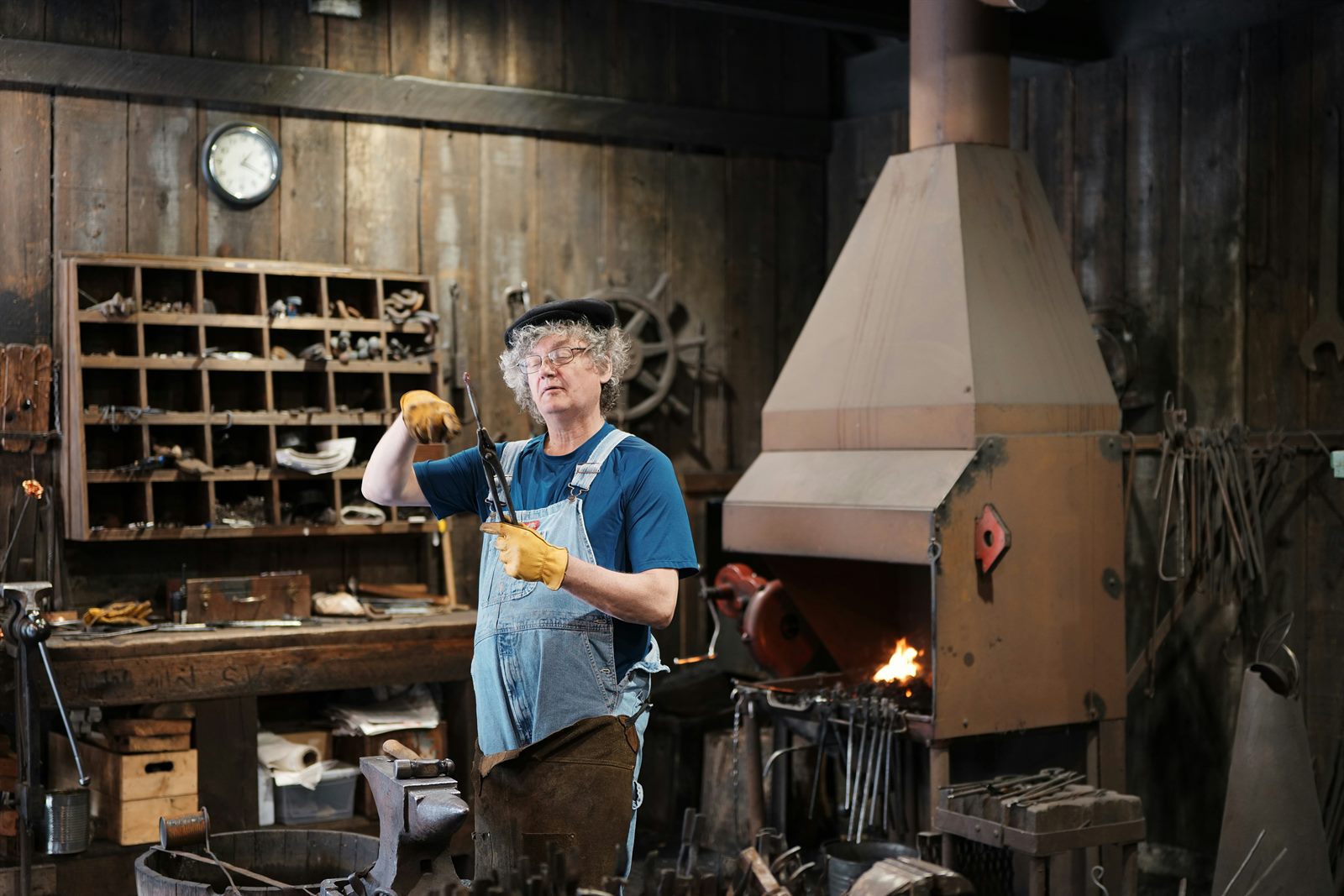
Pick one material — wood, clay, wool, dough, leather — and spend three hours learning to work with it this month. Accept that you will be bad at it. That is the point. The goal is not to produce something beautiful. The goal is to produce something with your hands, to experience the feedback loop of making, and to discover what it feels like to improve at a physical skill. The improvement, when it comes, is its own reward.
Sign up to a class with other people. The data is clear that craft is significantly more satisfying as a communal than a solitary practice. An evening at a pottery studio with six strangers will deliver more sustained wellbeing than an equivalent evening watching alone. The making is the shared activity. The conversation is the bonus.
Give something you made, however imperfect, to someone you love. Watch their face. The handmade gift carries something that no purchased object can: it carries the time and attention of the person who made it. In an economy of abundant manufactured goods and instant digital delivery, the handmade thing is the scarcest commodity available. It is made of hours.
- Etsy Inc. — Annual Shareholder Report, 2024
- Craft and Hobby Association — Consumer Creativity Report, 2024
- Csikszentmihalyi, M. — Flow: The Psychology of Optimal Experience, 1990
- Sennett, R. — The Craftsman, 2008
- Ravelry — Knitting and Crochet Community Growth Data, 2024
- Forecast The World Research Desk — 800+ data sources