The Numbers Are Extraordinary
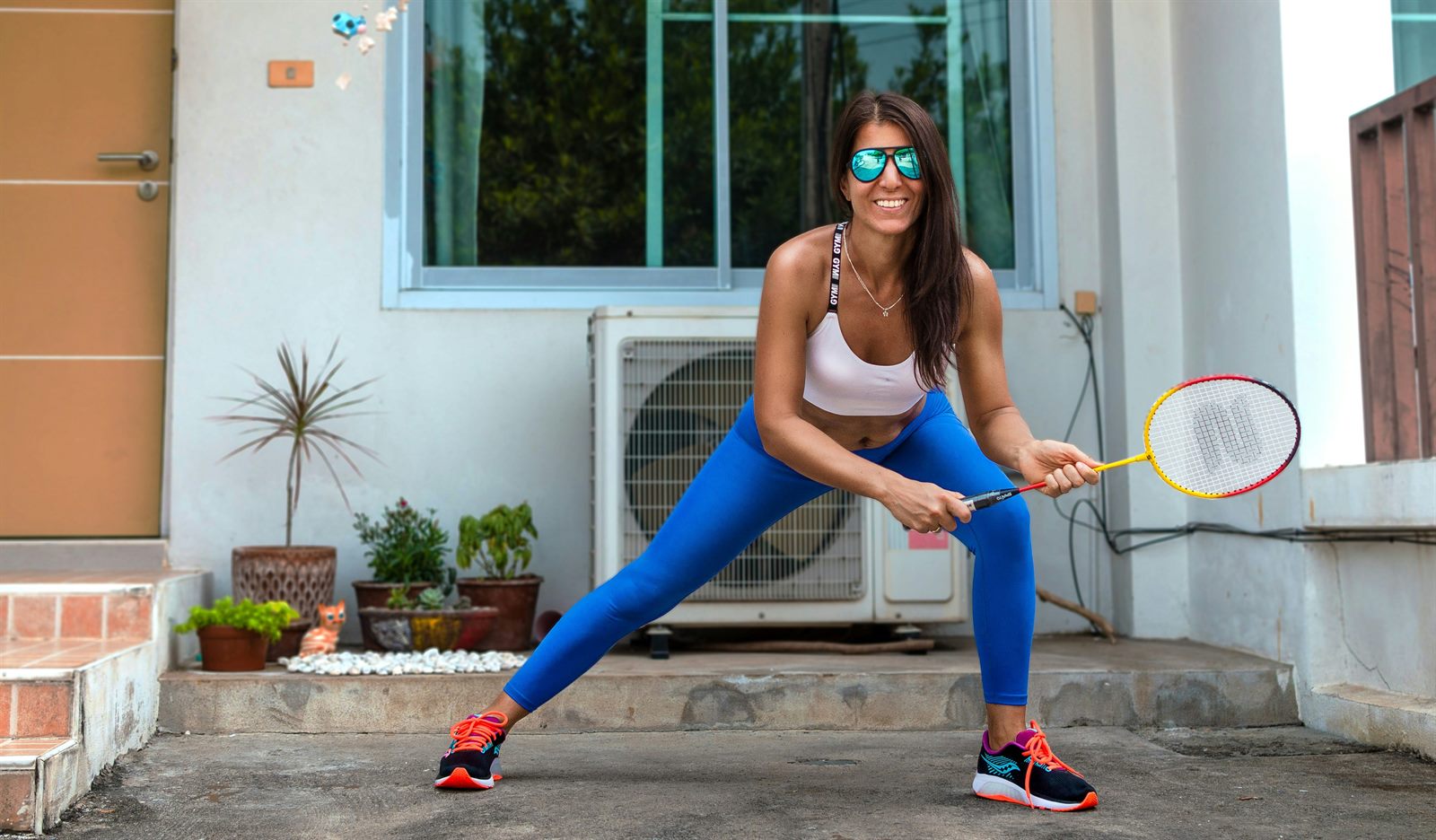
Padel — a simplified form of tennis — grew from 25,000 courts globally in 2019 to over 100,000 in 2025, with 35 million registered players. Pickleball is the fastest growing sport in US history, with 36 million participants in 2024. Parkrun — a free, timed 5km run held in public parks globally — now has 10 million registered participants in 46 countries. Masters swimming (competitive swimming for adults over 25) has grown 40% since 2020. Adult participation in team sports — five-a-side football, basketball, netball, touch rugby — is at a 30-year high.
This is not a niche trend. It is a mass movement. And it is happening independently, simultaneously, across multiple sports, multiple countries, and multiple age groups. That pattern — convergent, distributed, self-reinforcing — is what separates a genuine cultural shift from a passing fad. People are not discovering sport because of a campaign. They are discovering it because of each other.
What Is Driving It
Three forces are converging. The first is health awareness. The evidence for exercise's mental health benefits has reached general consciousness in a way it never had before. Exercise is now the most well-evidenced treatment for mild-to-moderate depression — more effective than medication in multiple peer-reviewed studies. When people understand this, the calculus of a Saturday morning game changes. It is not a leisure choice. It is the most powerful mental health intervention available without a prescription.
The second force is social connection. The loneliness epidemic has been extensively documented, and sport addresses it with unusual precision. Friendship research consistently shows that the structural conditions for adult friendship are same people, same place, same time, repeated indefinitely. Sport provides exactly this framework in a way that no app or social platform can replicate. You cannot be algorithmically introduced to the people who will become your closest adult friends. You can be put on a court with them every Tuesday evening.
The third force is identity. In a knowledge-economy world where work is intangible and outcomes are abstract — where a successful day looks indistinguishable from an unsuccessful one — sport offers something rare: unambiguous evidence of physical capability and visible, measurable improvement. Your five-a-side record is clear. Your parkrun time is a number. Your padel rating moves when you get better. In a world of ambiguous achievement, this clarity is deeply appealing.
"The amateur sports renaissance is one of the most positive large-scale behavioural shifts we have seen in decades. People are choosing physical community over digital isolation. The health implications are enormous."
Dr. Brendon Stubbs — King's College London, Global Health Research Group, 2024These three forces — health, connection, identity — are not incidental to the boom. They are its architecture. Each sport that is growing provides all three simultaneously. That is why the growth is self-sustaining: the people who join bring others, because the experience is genuinely good and the community is genuinely welcoming.
"The best social infrastructure humans have ever invented is not an app. It is a team, a court, and a Saturday morning."
Why This Is Different From Previous Fitness Trends
Previous fitness movements were predominantly individual — gym membership, jogging, home cycling. The current boom is predominantly communal — team sports, group runs, padel doubles, parkrun with friends. The social element is not incidental to participation. It is the primary reason most people participate and, crucially, the primary reason they keep participating.
The persistence data makes this clear. Solo gym membership has a well-documented dropout problem: 50% of members stop attending within six months. Participation in social sports — five-a-side leagues, running clubs, padel groups — shows dramatically higher retention rates. The mechanism is simple and human: you do not ghost a tennis partner. You do not skip parkrun when your running group is expecting you. Social obligation is more reliable than personal motivation, and sport creates social obligation in a way that solo fitness never can.
The infrastructure is building on itself. Padel court construction is accelerating because existing courts are fully booked. Five-a-side leagues are expanding because the existing leagues are oversubscribed. Running clubs are splitting because they have grown too large. The demand is creating supply, which creates more demand. This is the dynamics of genuine cultural adoption, not manufactured trend.
What Could Happen
Sports infrastructure investment follows participation. The Saturday morning game joins the weekly dinner as a cultural norm. Padel, pickleball, parkrun, and five-a-side become as standard as gym membership was in the 1990s — and far better attended. The amateur sports community becomes the primary source of adult friendship and social connection for a generation.
Barriers of cost, time, and physical access prevent full democratisation. Sport becomes a majority practice among the middle class but fails to reach lower-income communities at the same rate. The boom is real but geographically and economically uneven, producing health and social benefits that compound existing inequalities.
Wearables, AI coaching, and gamification dramatically lower the barrier to sport entry. AI-matched opponents make every game competitive regardless of level. Performance tracking makes improvement visible and addictive. The sports participation rate reaches levels not seen since pre-industrialisation, as technology removes the skill barrier that previously excluded casual participants.
What Can We Do
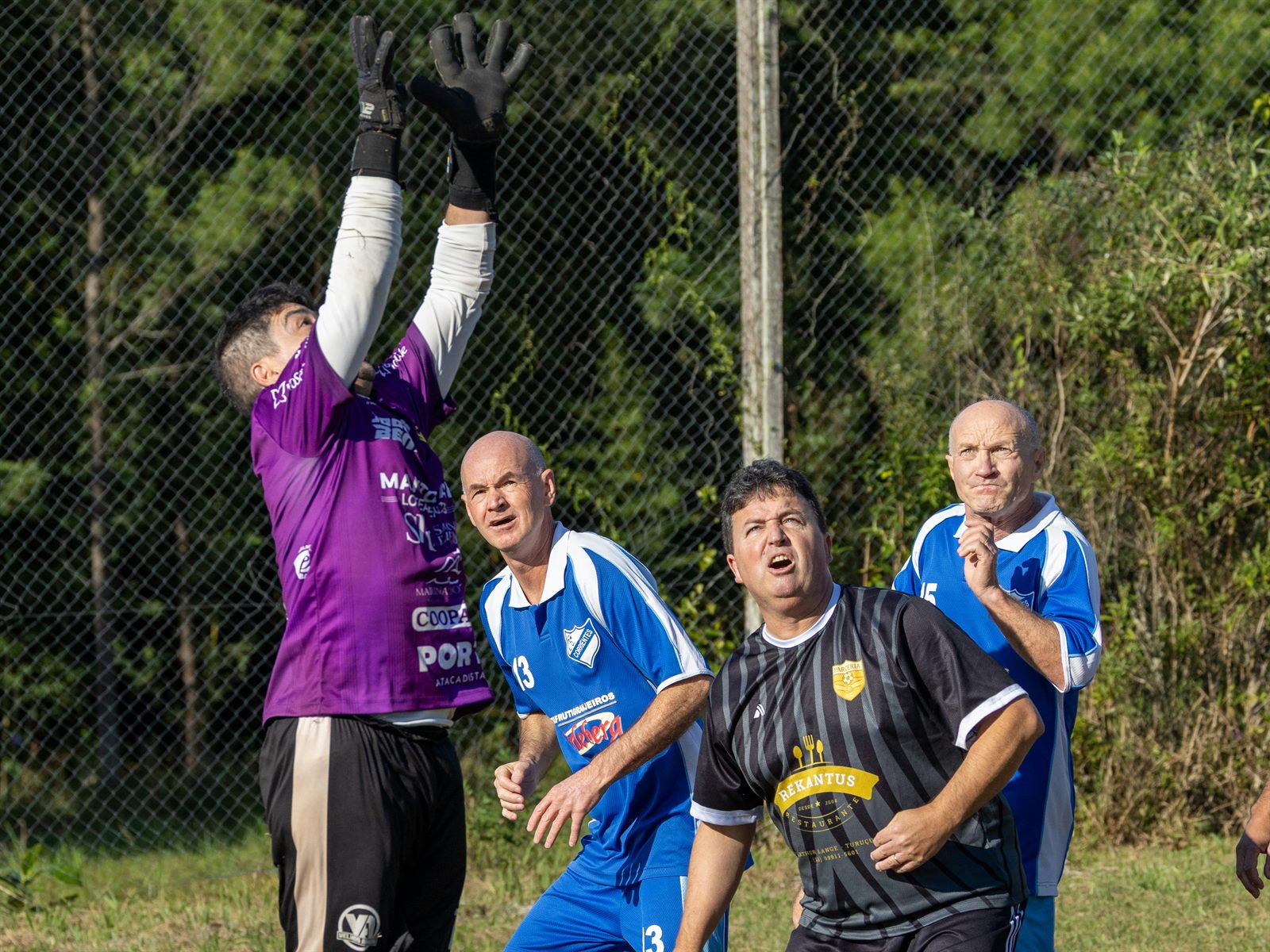
Find your sport this year. Not the sport you are good at — the sport you enjoy. Padel is easy to start. Parkrun is free. Five-a-side leagues exist in almost every town. Masters swimming clubs actively welcome beginners. The variety of accessible, social sports available to adults in 2026 is genuinely remarkable — and most of them have communities that are actively looking for new members.
The best way to ensure you exercise consistently is not willpower. It is social obligation. Find the people who are expecting you on Saturday morning, and show up. The research is unambiguous: exercise adherence is dramatically higher when it involves social commitment. You will run faster, play harder, and enjoy it more when other people are there. And you will keep doing it because stopping means letting people down, which is a far more reliable motivation than personal discipline.
Start easier than you think you should. The greatest enemy of adult sport participation is the intimidation of returning to physical activity after years away. Parkrun is deliberately non-competitive — you can walk, and many people do. Beginner padel clinics exist specifically because padel's growth depends on welcoming people who have never held a racket. Five-a-side leagues have beginner divisions. The barrier is lower than it appears. The community, once you are in it, does the rest.
- World Padel Tour — Global Participation Report, 2025
- USA Pickleball Association — Annual Participation Survey, 2024
- Parkrun Global — Participation and Community Data, 2025
- Stubbs, B. et al. — An Examination of the Anxiolytic Effects of Exercise, Neuroscience and Biobehavioral Reviews, 2017
- US Sports and Fitness Industry Association — Adult Participation in Team Sports, 2024
- Forecast The World Research Desk — 800+ data sources