The Paradox of Total Documentation
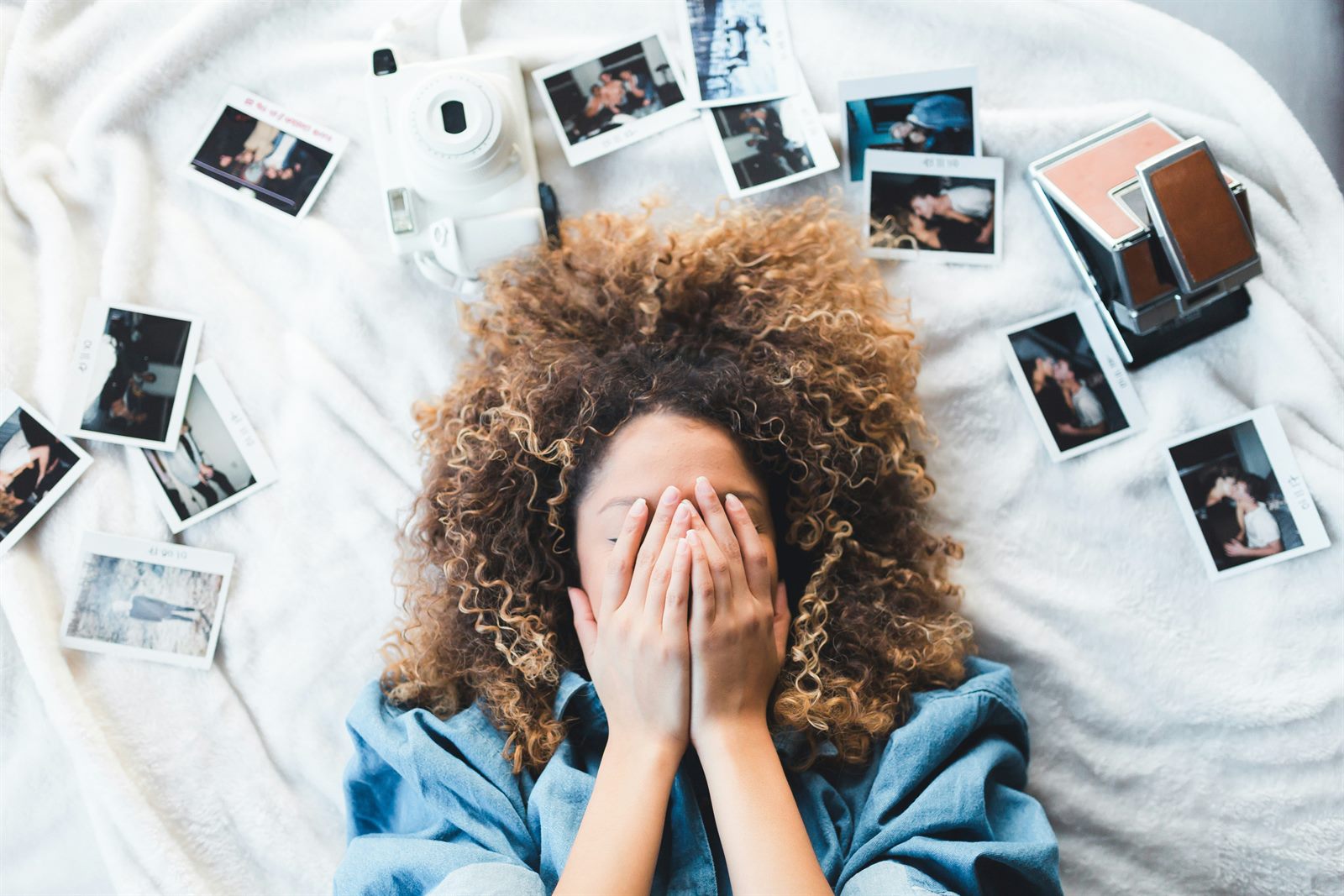
When you photograph an experience, you are outsourcing the act of remembering to a device. Neuroscience calls this the photo-taking impairment effect: people who photograph objects or moments remember them significantly less well than those who simply experience them. The camera does not extend memory. It replaces it. You see the scene through a screen, you press a button, and your brain — which has been watching you record the moment — concludes that its work here is done. The moment is stored. It can stand down.
We are living in an era of maximum documentation and minimum memory formation. Humanity produces 1.8 trillion photographs per year — more images in twelve months than were produced in the entire first century of photography. The average person's phone contains thousands of photos they have never looked at again. The average holiday generates hundreds of images, the majority of which will never be viewed, printed, or shared beyond the first twenty-four hours after capture. We are not preserving memory. We are producing digital sediment.
What the Research Shows
Linda Henkel's landmark 2014 study at Fairfield University was the first to rigorously demonstrate the photo-taking impairment effect. Participants taken on a guided museum tour who photographed objects recalled them with significantly less accuracy than those who simply observed them. The effect was strongest — and most striking — when the photograph had been taken for sharing rather than for personal reference. The social-media photo, taken to show others, is the most memory-impairing photograph of all, because the person taking it is not attending to the object at all. They are attending to the imagined audience.
A 2023 University of Toronto study extended Henkel's findings in a more naturalistic setting. Participants who deliberately chose not to photograph certain experiences during a guided tour rated those experiences significantly higher in meaningfulness and recalled them with greater vividness one month later. The choice not to photograph was itself an act of attention — a signal to the brain that this moment was worth encoding rather than outsourcing. That signal appears to be what makes the difference.
"Memory is not storage — it is construction. Every time you remember something, you rebuild it. The moments you truly lived, without a lens between you and them, are the ones your brain rebuilds most richly."
Dr. Maria Wimber — University of Glasgow Memory Research Group, 2023Maria Wimber's research on memory retrieval adds a further dimension. Her work on retrieval-induced forgetting demonstrates that the act of remembering is selective and reconstructive — each time we recall a memory, we rebuild it from fragments, and the fragments we use most often are the ones that survive. Photos give us a substitute for this reconstruction process. We look at the photo and we think we are remembering. We are not. We are looking at a photo. The difference matters: looking at a record of an experience is not the same as inhabiting the memory of it, and over time, the record can crowd out the experience entirely.
"The best photograph you ever took might be the one you decided not to take."
The Shift Already Happening
Analogue photography is in genuine revival. Film camera sales have risen 70% since 2020, with the strongest growth among 18–35-year-olds who have never shot on film before. Lomography, Kodak, and Fujifilm all report multi-year demand growth. The revival is not primarily about aesthetics — though the grain and colour palette of film are part of its appeal. It is about the constraint. A 36-exposure roll forces a different relationship with the moment being photographed. You cannot take fifty versions and choose later. You take one, and you attend to it.
Physical photo printing is recovering after years of decline. Fujifilm's Instax instant camera line — which prints photographs immediately, as physical objects — is among the company's fastest-growing product categories globally. Online photo print services have reversed their long decline and are growing again. People are discovering that a physical photograph on a surface you pass every day is a different kind of memory artefact from an image in a phone folder that you never open.
Journalling communities and memory practice apps are growing. The insight driving these communities is precisely the neuroscientific one: written reflection, unlike photography, requires you to reconstruct the experience rather than record it. The act of writing "what happened today that mattered" forces the cognitive work that creates durable memory. Apps focused on written reflection rather than image capture have seen strong user growth since 2022, with high retention rates among users who establish a daily practice.
The phone-free concert movement is mainstream. What began as a niche experiment — artists requiring audiences to lock phones in pouches for the duration of a show — is now a standard offering at venues globally. Artists including Jack White and Alicia Keys have made phone-free concerts a permanent feature of their touring. Audiences report dramatically higher enjoyment and recall. The silence of a crowd that is fully present is, by now, familiar enough to have a name: it sounds like the past.
Gen Z is nostalgic for unrecorded childhood. One of the more poignant features of the current cultural moment is the expressed nostalgia among young people for photographs taken on actual cameras — point-and-shoot film cameras, early digital cameras with low resolution — rather than smartphones. The photographs from these devices feel more like memories precisely because they are rarer, more deliberate, and less perfect. The imperfection is the point: it signals that the moment was lived rather than produced.
What Could Happen
The cultural and neuroscientific case for fewer, more deliberate photographs becomes widely understood and acted upon. Phone-free norms at events spread. Physical photo printing, film photography, and written journalling establish themselves as mainstream practices rather than niche ones. By 2030, how we mark and preserve life's moments is measurably more intentional than it was in 2020.
AI systems become sophisticated enough to automatically curate the ten photographs that actually matter from the thousands taken — creating highlight reels, narrative summaries, and memory prompts that recover the value buried in digital oversaturation. The problem is solved without changing the behaviour that created it. People continue to photograph everything, but the AI creates meaningful memory from the noise.
Wearable cameras that record continuously, combined with smart AI that surfaces the right memories at the right times, remove the decision about what to photograph entirely. Everything is captured. The question shifts from "should I photograph this?" to "show me what mattered from last year." Memory becomes a curation problem rather than a capture problem, and the tension between living and recording dissolves.
What Can We Do
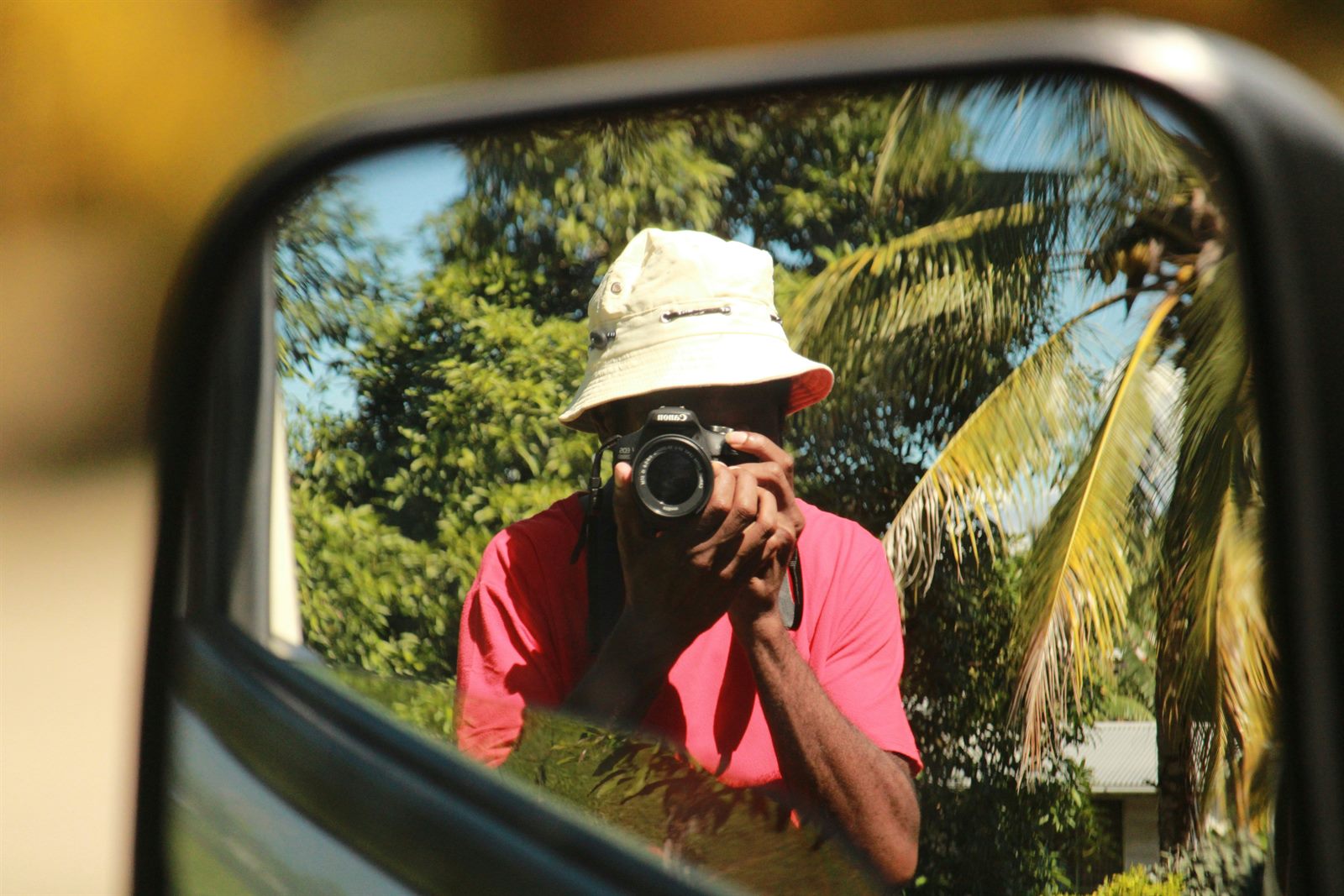
Put the phone away for the first fifteen minutes of any meaningful experience. Not permanently — just for the opening, when the brain is most actively encoding what is new. Let the first impression be yours before it becomes a photograph. You can always take the photograph later; you cannot recapture the first moment of attending.
Choose one memory from the past week and write about it instead of photographing it. Not a caption — an account. Where were you? What did the light look like? What did you feel before and after? What would you want to remember about it in twenty years? The act of writing forces the reconstruction that creates durable memory. Five minutes of writing will do more for the longevity of that memory than fifty photographs.
Print ten photographs this year. Not a hundred — ten. The constraint of choosing forces you to identify what actually mattered, which is itself a form of memory work. Put them somewhere you see them regularly. A photograph on a surface you pass every day is retrieved, reconstructed, and re-embedded in memory every time you glance at it. A photograph in a phone folder is retrieved approximately never.
Keep a physical journal for three months. The research on written journalling and memory is consistent: regular written reflection significantly improves recall of daily experience, increases the sense of life as meaningful and coherent, and produces the kind of rich, vivid memory that is the raw material of a well-remembered life. Three months is long enough to feel the effect.
Notice which memories from childhood feel most vivid. They are almost certainly unrecorded ones — a smell, a texture, a conversation, a particular quality of light on a particular afternoon. The brain remembered them because it had no alternative. That is still how memory works. Give it fewer alternatives.
- Henkel, L. — Point-and-Shoot Memories: The Influence of Taking Photos on Memory for a Museum Tour, Psychological Science, 2014
- Wimber, M. — Retrieval Induces Adaptive Forgetting of Competing Memories via Cortical Pattern Suppression, Nature Neuroscience, 2015
- LOMOGRAPHY Society — Analogue Camera Sales Report, 2024
- Fujifilm Instax — Global Sales Trend Data, 2024
- Forecast The World Research Desk — 800+ data sources