The Question
Here is the specific prediction: will the United States reform drug pricing enough that major medicines cost no more than twice what Europeans pay for the same drug — by 2032? Our model gives this 42% probability. The anger is real and unprecedented. The Inflation Reduction Act of 2022 gave Medicare the ability to negotiate drug prices for the first time in its history. Public fury over healthcare costs has crossed a new threshold. Whether this moment produces genuine structural change, or gets absorbed by an industry that spent $370 million lobbying Congress in 2023 alone, is the central question.
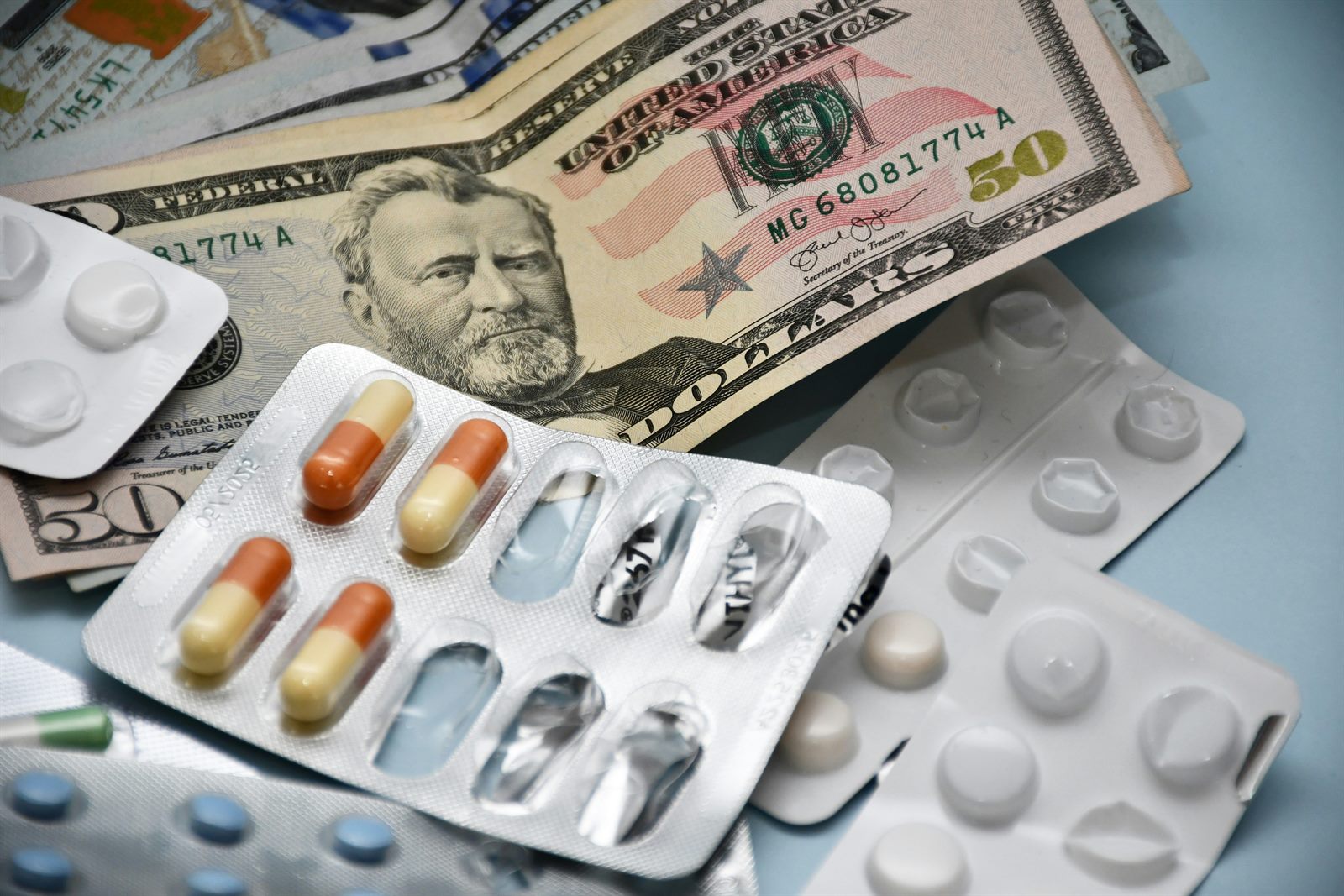
The clearest illustration of the problem is Ozempic — the diabetes and weight-loss drug that has become a household name. In the US, a monthly supply costs around $1,000 without insurance. In Germany, the same drug costs about $150. In Canada, around $200. The drug was partly developed with public NIH funding. The company, Novo Nordisk, simply sets a different price in each market. Until recently, US law actually prohibited the government from negotiating drug prices on behalf of Medicare patients — the 50 million Americans on the government's elderly healthcare programme. That prohibition finally cracked in 2022. What happens next is what this article is about.
What the Evidence Shows
"The United States has essentially been subsidising pharmaceutical innovation for the rest of the world by paying prices that no other country accepts. That has allowed innovation to happen. It has also made drugs unaffordable for millions of Americans who cannot benefit from the innovations they helped fund."
— Senate Finance Committee Hearing on Drug Pricing, 2024The Inflation Reduction Act is genuinely new ground. Medicare negotiated prices for ten major drugs in its first round, achieving reductions of 38% to 79% — not trivial. Insulin was separately capped at $35 a month for Medicare patients, ending one of the most egregious examples of price inflation: insulin was first developed in 1921, yet its list price had been ratcheting up for decades through minor reformulations and patent extensions. The list of negotiated drugs expands each year.
The system that inflates US drug prices has several levers. One is pay-to-delay: branded drug companies pay generic manufacturers not to launch cheaper versions, extending their market monopoly by years. Another is patent gaming — filing dozens of secondary patents on minor reformulations to block competition long after the original patent expires. A 2021 analysis found that every single one of the 210 drugs the FDA approved between 2010 and 2016 had received NIH funding before approval — totalling $230 billion in public investment. Taxpayers fund the research; companies set the price.
"Americans pay prices no other country accepts — and that system is starting to crack."
There is a quieter solution already working in the background: biosimilar drugs. When a biologic drug — a complex medicine made from living cells — comes off patent, cheaper copies called biosimilars can enter the market. In Europe, biosimilar uptake is high and prices fall sharply. In the US, uptake is sluggish because of complicated insurance arrangements, brand loyalty schemes, and prescriber inertia. Fixing this doesn't require new pricing legislation — it requires clearing bureaucratic barriers. That could save tens of billions of dollars without a single new law.
Why This Is Happening
The innovation argument is real but overstated. Drug companies argue that high US prices fund the R&D that produces new medicines, and that cutting prices kills innovation. There is some truth here. But the same companies consistently spend more on marketing and shareholder returns than on R&D. And the NIH funding data makes the argument uncomfortable: if taxpayers already fund the foundational research, why do they then pay the world's highest prices for the result?
The political moment is genuine but fragile. Drug pricing reform polls better than almost any other policy issue — Americans across the political spectrum support it. Yet it has been repeatedly defeated by lobbying. The IRA represents the first real crack in that wall. Whether Congress expands the negotiated drug list faster than the industry's lawyers can challenge it in court is the decisive question for the next six years.
The cultural mood has shifted. The Luigi Mangione case in late 2024 — in which a health insurance executive was murdered and the accused killer attracted public sympathy — was a jarring signal of how deep the anger runs. It didn't produce new legislation, but it crystallised a sentiment politicians can no longer easily ignore. That raises the cost of blocking reform, even if it doesn't guarantee it.
What Could Happen
Medicare negotiation expands to 50+ drugs by 2030. Insulin price caps extend to commercial insurance. Biosimilar uptake accelerates through statutory reform that shortens the 12-year exclusivity period. Pay-to-delay settlements face aggressive antitrust action. Prices fall 30–50% for the most-used drugs, bringing them within 100% of European equivalents. The architecture of US drug pricing changes substantially — not completely, but enough to matter.
The pharmaceutical industry narrows the IRA's negotiation provisions through courts and Congress. Public anger fades as Ozempic prices fall through market competition — removing the most visible target. The structural reform moment passes. The US pricing system remains essentially intact. Some drugs get cheaper; the overall gap with Europe persists. Incremental gains don't add up to systemic change.
A political realignment — sustained public anger, GLP-1 affordability crisis, continued rationing deaths — produces comprehensive legislation tying US drug prices to an international benchmark by 2034. The industry reorganises around genuinely novel therapies, ceding the chronic disease market to generics and biosimilars. The US-Europe price gap closes to within 50%. This is the longest shot — but not impossible.
What Can We Do

If you're a patient dealing with high drug costs right now, there are real options that don't require waiting for Congress. Most major drug companies run patient assistance programmes — Novo Nordisk's programme for Ozempic covers patients below 400% of the federal poverty line at no cost. Mark Cuban's Cost Plus Drugs platform sells hundreds of generic medications at manufacturing cost plus a small transparent markup, cutting prices dramatically. These are workarounds, not solutions. But they work for many people facing immediate financial hardship.
For policymakers, the most impactful short-term move — short of comprehensive reform — is fixing the biosimilar problem. The US gives biologic drugs 12 years of market exclusivity before cheaper copies can enter — the longest period among developed nations. Cutting that period could save tens of billions without the legal and political battle that direct price-setting triggers. The Federal Trade Commission has been aggressively pursuing pay-to-delay settlements; that enforcement should be expanded and properly funded.
For the drug industry itself, the most credible response to public fury is transparency. Publish what individual drugs actually cost to develop — not the industry-wide averages that are easy to manipulate. Several companies have started doing this voluntarily. If it became standard practice, the public conversation could finally be grounded in real numbers rather than competing claims — making it much harder to charge ten times what other countries pay and expect no one to notice.
- US Inflation Reduction Act: Drug Price Negotiation Results (2024)
- Senate Finance Committee: Drug Pricing Investigation Report (2024)
- JAMA: NIH Funding and FDA Drug Approvals 2010–2016 (Cleary et al., 2021)
- FTC: Pay-for-Delay Report and Enforcement Actions (2023–24)
- TRIPS Agreement and Compulsory Licensing — WTO Analysis (2023)
- RAND Corporation: International Drug Price Comparison Study (2024)