The Question
Will AI tools be routinely used in the majority of radiology reads, pathology reports, and cancer screening decisions in high-income healthcare systems by 2030? That is the specific prediction we are making, at 76% confidence. The technology is ready. The question is whether medicine's regulatory, legal, and institutional systems will move fast enough to deploy what the science has already validated — and whether the liability questions that freeze many hospitals in place will be resolved before patients pay the price.
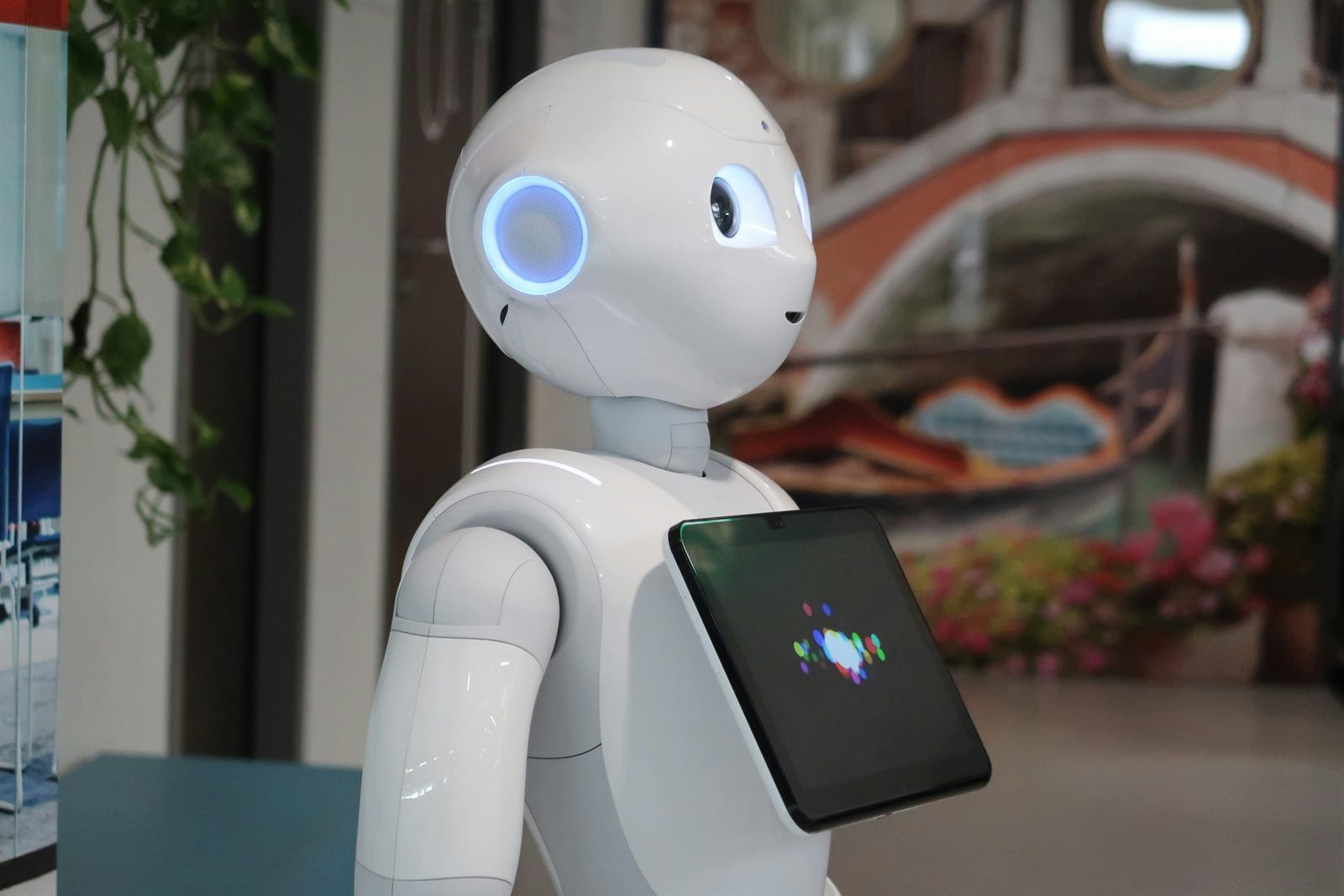
The performance data is already extraordinary. A 2020 study in Nature found that Google's mammography AI caught more breast cancers than human radiologists — with fewer false alarms and fewer missed cases. A system called IDx-DR can detect diabetic retinopathy (a leading cause of preventable blindness) at 87% accuracy, with no specialist in the loop. Over 500 AI-enabled medical devices are now cleared by the FDA. The AI doctor has already arrived. What will be decided by 2030 is whether it gets let into the building.
What the Evidence Shows
The Google mammography result was not a one-off. IDx-DR — the first AI diagnostic device authorised by the FDA to operate entirely without a human specialist reviewing the result — detects diabetic retinopathy with 87% sensitivity and 91% specificity. Diabetic retinopathy affects 103 million people globally and is the leading cause of preventable blindness in working-age adults. The system is already deployed in primary care clinics, pharmacies, and community health centres across several US states. A specialist visit that once required a referral and a months-long wait now happens at the pharmacy counter.
Sepsis prediction algorithms — sepsis is a life-threatening response to infection — can flag high-risk hospital patients an average of 12 hours before they deteriorate. A 12-hour warning window can cut mortality by up to 40%. AI tools for rare disease diagnosis are compressing what was once a years-long odyssey — on average, rare disease patients saw 8 doctors over 4 to 7 years before getting a correct diagnosis — into a process that takes weeks in early pilot programmes combining genetic sequencing with AI pattern-matching.
"AI will not replace doctors. But doctors who use AI will replace doctors who don't. The performance data is now robust enough that choosing not to adopt AI assistance in high-volume diagnostic contexts is an ethical question, not merely a practical one."
— Dr. Eric Topol, Founder and Director, Scripps Research Translational Institute; author of "Deep Medicine", 2023Getting a rare disease diagnosis once took seven years and eight doctors. AI is compressing that to weeks — and it's only getting started.
Why This Is Happening
The hardest unresolved problem is not performance — it is accountability. When an AI-assisted diagnosis turns out to be wrong and a patient is harmed, who is legally responsible? Is it the doctor who accepted the AI's recommendation? The hospital that deployed the tool? The software company that built it? Current law in most countries has not answered these questions. That uncertainty is a powerful reason for risk-averse hospitals to hold back — even when the AI is demonstrably better than the human.
There is also a documented bias problem. Many AI diagnostic tools were trained on data from large academic medical centres in the US and UK, which skew heavily toward white, male, and higher-income patients. When deployed in different settings, the performance can quietly degrade. A 2019 study in Science found that a widely-used commercial algorithm for identifying high-risk patients was systematically underestimating the risk of Black patients — because it used healthcare costs as a proxy for health need, and Black patients historically used less care due to systemic barriers. The algorithm reproduced the very inequalities it was meant to help fix.
Most doctors are not categorically opposed to AI. Survey data shows the real objection is narrower: autonomous AI making decisions without meaningful human oversight, and the burden of learning yet another system on top of an already-strained workflow. The NHS AI Lab assessed dozens of commercial AI diagnostic products and found a significant proportion lacked sufficient clinical evidence to justify deployment. Better marketing than medicine, in many cases.
What Could Happen
Regulatory frameworks mature rapidly. The FDA's approach of allowing AI systems to update themselves without seeking new clearance for every small change accelerates deployment. NHS England mandates AI-assisted reading for all lung cancer screening CT scans — where trials show AI catches 11% more early-stage cancers. Liability law settles on a model where the doctor remains responsible for the final call but AI is treated as a mandatory second opinion in high-stakes diagnostics. Medical schools start teaching AI literacy as a core skill. The diagnostic gap between city hospitals and rural clinics begins to close.
AI diagnostic tools proliferate in well-funded academic hospitals and private networks. Under-resourced public hospitals and community clinics lack the IT infrastructure, budget, and staff to keep up. The gap between diagnostic haves and have-nots widens. A high-profile AI misdiagnosis triggers legal and media turbulence, slowing adoption everywhere. In wealthy settings, AI becomes a genuine decision-support tool. Elsewhere, it stays a promise. The patients who already had the best care get the next upgrade first.
The absence of legacy IT infrastructure in lower-income countries paradoxically enables faster AI adoption than in mature health systems burdened by complexity. Smartphone-based AI tools — already proven for tuberculosis screening and malaria diagnosis — scale dramatically, backed by WHO endorsement and NGO funding. A rural clinic in sub-Saharan Africa ends up with AI diagnostic capability that rivals a mid-tier hospital in a wealthy country. The democratisation of diagnosis becomes the most consequential public health story of the decade.
What Can We Do
For regulators, the priority is shifting from device-by-device approval to ongoing performance surveillance. An AI tool that works brilliantly on one population can quietly underperform on another. Mandatory real-world tracking — comparing AI outcomes against actual patient results after deployment — is the only way to catch performance drift before patients are harmed. Both the FDA and the EU's AI Act are moving in this direction, but implementation is lagging behind the pace of deployment.
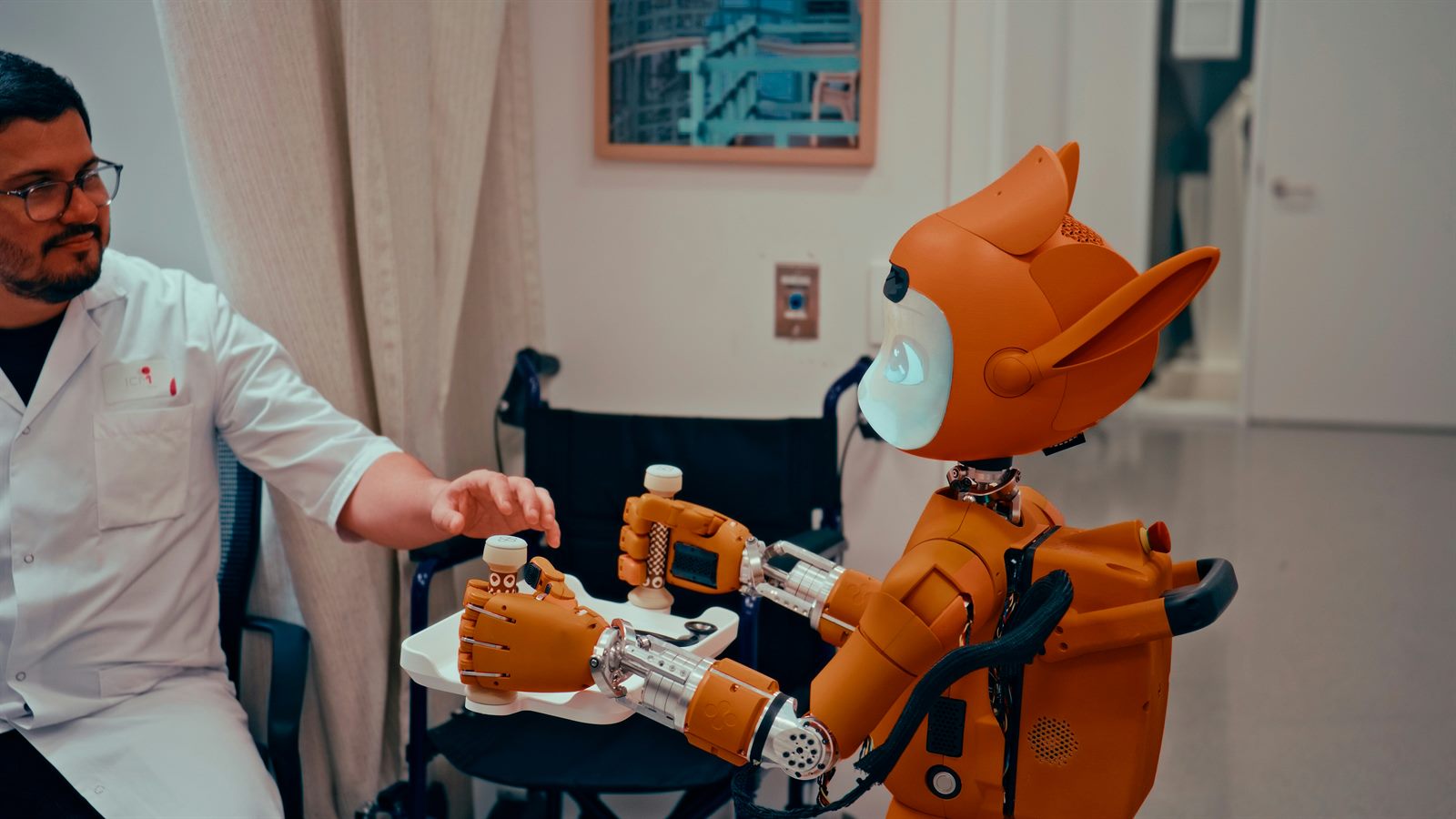
For hospitals and health systems, the most defensible model is AI as a mandatory second opinion, not an autonomous decision-maker. The AI flags the abnormality, surfaces the risk score, generates the differential diagnosis — a list of possible conditions. A qualified doctor makes the final call and retains legal responsibility. This preserves the performance benefits while maintaining accountability structures that existing law requires. It is also, critically, the model most likely to get buy-in from doctors, because it positions AI as a tool that helps them rather than replaces them.
For policymakers, the most urgent near-term action is simple: require that AI diagnostic tools be trained on diverse, representative patient populations before they receive regulatory clearance for use in diverse populations. Training a tool on patients from one type of hospital and deploying it everywhere is how bias gets baked in. The NHS Code of Conduct for Data-Driven Health Technologies and the FDA's AI Action Plan gesture toward this requirement. Making it enforceable is the missing step.
- McKinney S.M. et al. — "International evaluation of an AI system for breast cancer screening" — Nature, 2020
- Abramoff M.D. et al. — "Pivotal trial of an autonomous AI-based diagnostic system for detection of diabetic retinopathy" — NPJ Digital Medicine, 2018
- Obermeyer Z. et al. — "Dissecting racial bias in an algorithm used to manage the health of populations" — Science, 2019
- Topol E.J. — "High-performance medicine: the convergence of human and artificial intelligence" — Nature Medicine, 2019
- FDA — "Artificial Intelligence/Machine Learning (AI/ML)-Based Software as a Medical Device Action Plan" — US FDA, 2021
- NHS AI Lab — "AI and Digital Regulations Service: Guidance on AI as a Medical Device" — NHS England, 2023