The Question
Will universal health coverage reach 75% of the world by 2035? That means access to essential health services — a doctor when you're sick, medicines when you need them — without the bill wiping out your savings. Today roughly 55% of people have that. The UN set 2030 as the deadline. We think 75% by 2035 has a 48% chance. A coin flip. That gap tells you something important: the tools exist. What is missing is money and will.
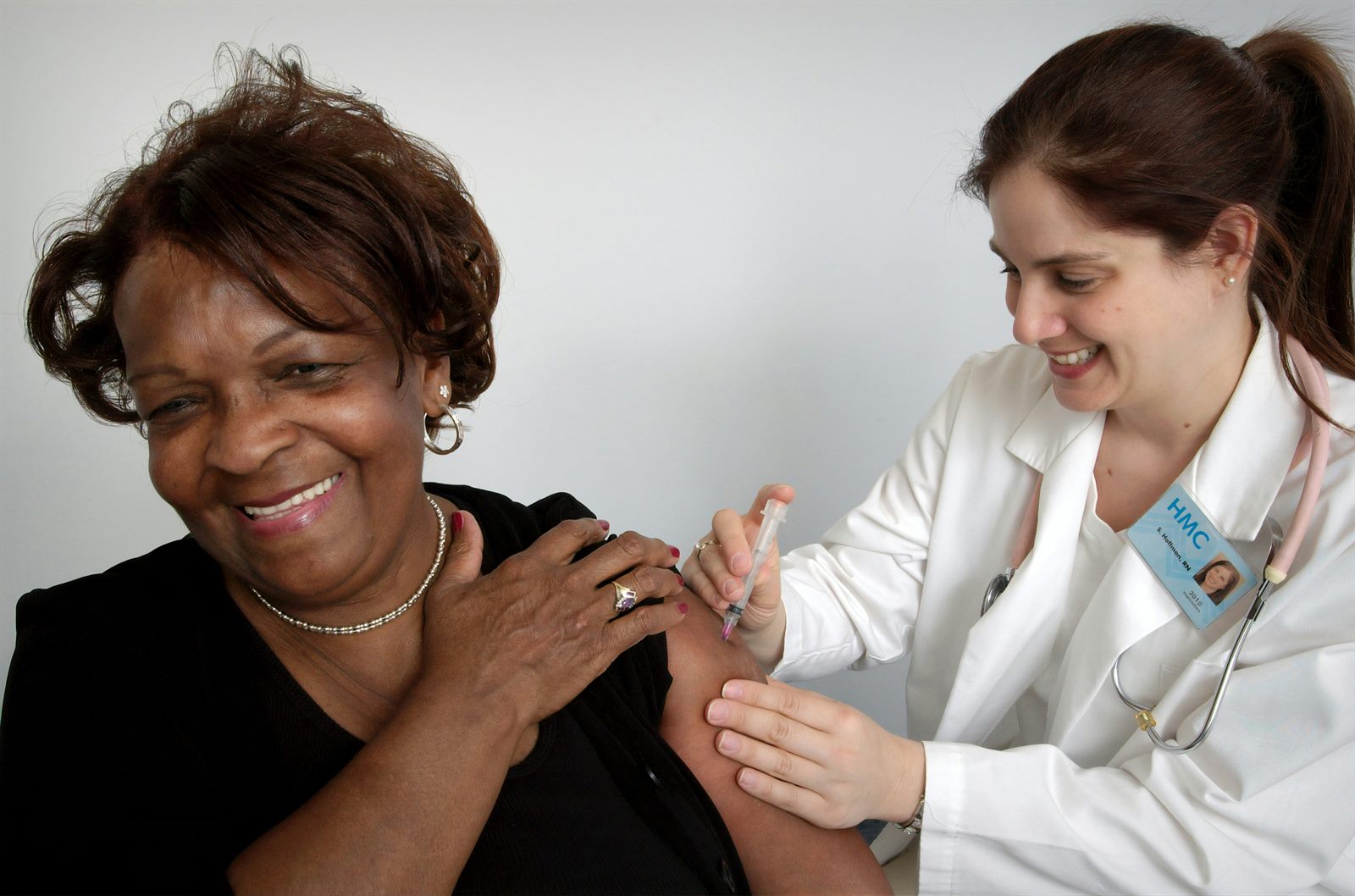
The most instructive examples come from places you might not expect. Rwanda's healthcare system was essentially destroyed in the 1994 genocide. The country rebuilt it — through a community insurance scheme called Mutuelle de Santé — to 90% coverage, with a GDP per capita under $1,000. That is not a wealth story. It is a political architecture story. Bangladesh's network of community health workers — mostly women going door to door in villages — helped cut child deaths by 60% since 1990, without building a single major hospital. India enrolled 500 million people in a health insurance programme within five years. The playbook exists. The question is whether the world will use it.
What the Evidence Shows
"At the current rate of progress, the world will fall well short of universal health coverage by 2030. But the models that work — community insurance, community health workers, digital diagnostics — are already proven. The barrier is not knowledge. It is finance and political commitment."
— WHO World Health Statistics Report, 2025India's Ayushman Bharat scheme, launched in 2018, insures half a billion people against the cost of hospital treatment — the largest health insurance programme on earth by sheer numbers. It is imperfect and uneven across states. But enrolling 500 million people in five years is an administrative achievement that demolishes the argument that scale is impossible. Bangladesh's community health worker model shows that population health can be transformed without hospitals: trained local women providing basic preventive care cut child mortality dramatically. These are replicable models, not flukes.
Technology is reshaping what is possible for the world's poorest. In Kenya, a mobile money platform spawned health micro-insurance products that let informal workers buy coverage in small daily payments by text message. That model is spreading across sub-Saharan Africa. In India and South-East Asia, AI tools — computer programmes trained on millions of medical images — are diagnosing diabetic eye disease, tuberculosis, and some cancers as accurately as trained specialists. Deploy these via smartphone in a village with no radiologist, and you have leapfrogged decades of infrastructure development.
"Rwanda achieved 90% health coverage with a GDP per capita under $1,000. The barrier to universal care is political will, not national wealth."
Covid-19 stress-tested every health system on earth — and exposed the cost of gaps in coverage with brutal clarity. In the US, around 25 million people were uninsured as of 2024. The link between that coverage gap and worse pandemic outcomes was plain to see. Political pressure to close these gaps rose sharply. Whether that pressure translates into legislation is a different question, given the entrenched opposition of private insurance and pharmaceutical interests.
Why This Is Happening
Healthcare coverage pays for itself. The WHO estimates that every dollar invested in universal coverage generates two to four dollars in broader economic value — through fewer sick days, less financial catastrophe for families, and better-educated children whose parents stayed healthy. Countries that achieved high coverage — Thailand, Costa Rica, South Korea — did so at income levels well below what was once assumed to be necessary.
Digital health is real progress, but it needs human backup. More than half the people in sub-Saharan Africa now own a smartphone. Telemedicine, AI diagnosis, and electronic health records are technically within reach for many low-income settings. But technology alone is not enough. A community health worker still needs to train on the app, stay supervised, and get paid reliably. Technology is a multiplier. It does not replace the human system underneath.
Political opposition is the biggest barrier in rich countries. The United States spends around $13,000 per person on healthcare every year — more than any other country — and gets worse population health outcomes than countries with universal systems spending half as much. The argument against universal coverage in the US is not primarily about cost. It is about ideology, the lobbying power of insurers and drug companies, and a deeply contested view of what government should do. That contest has not resolved. It shows no sign of resolving soon.
What Could Happen
Low- and middle-income countries expand coverage through community insurance, frontline worker networks, and AI-assisted diagnostics. The $371 billion funding gap is partly bridged by domestic mobilisation and redirected aid. Rich-country holdouts like the US make slow, incremental progress. Global average coverage reaches 75% — a historic achievement, even if it falls short of the original 2030 goal.
Debt crises and climate-driven spending pressures force governments in poor countries to cut health budgets through the 2030s. The coverage gap widens. Technology stalls because the human infrastructure to use it is underfunded. The 2030 UN targets are missed significantly, with gains concentrated only in countries that were already rapidly improving.
A combination of US domestic reform, major new international health financing, and rapid AI deployment creates genuine near-universal coverage across income levels by 2040. This requires a political realignment — including the US finally moving on healthcare — that is not currently visible in polling data or legislative momentum.
What Can We Do
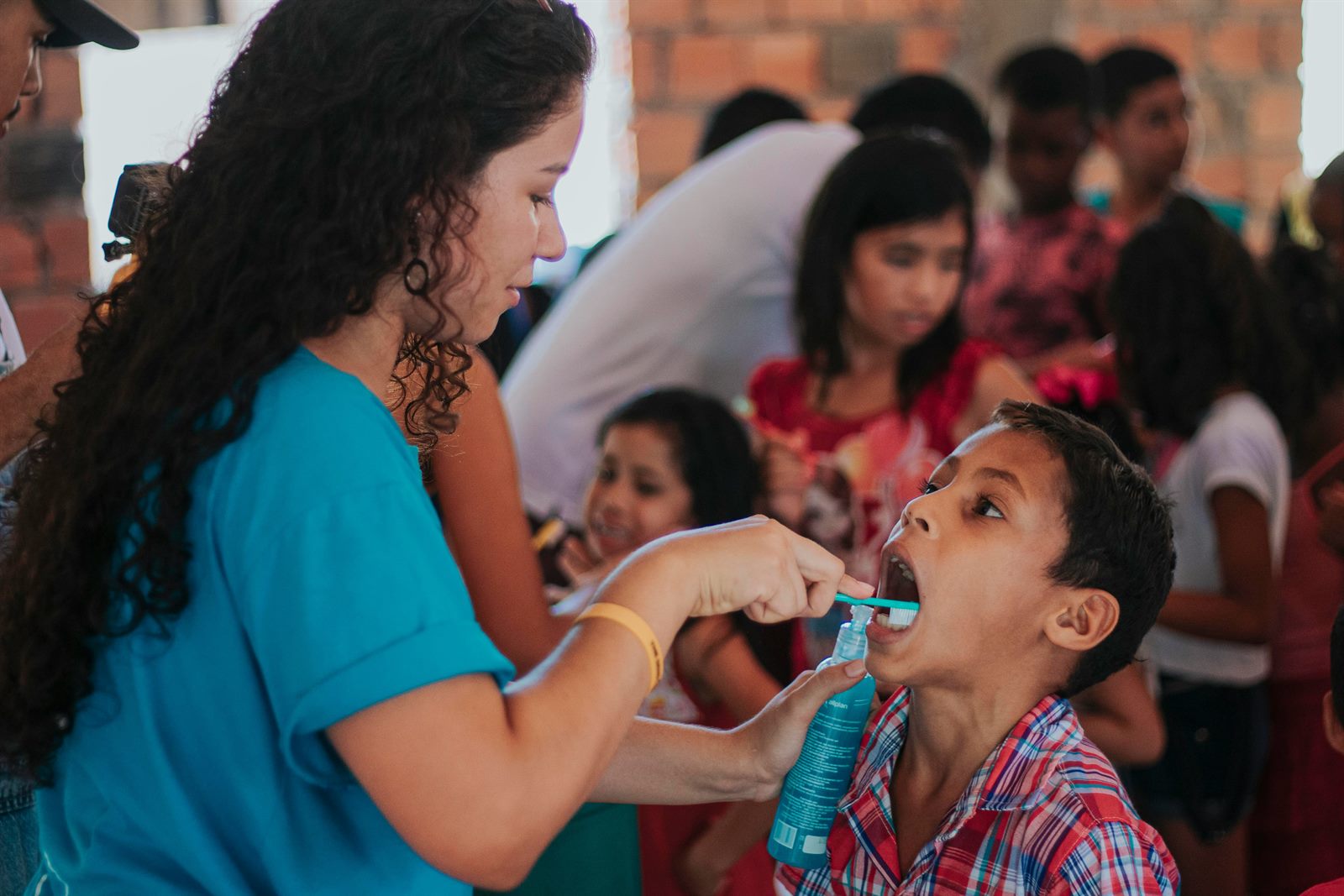
For governments in lower-income countries, the evidence is clear: community health worker networks are the highest-return investment available. Bangladesh did it. Ethiopia trained 38,000 female health workers at village level and achieved similar results. These programmes cost a fraction of hospital construction and show measurable improvements within years, not decades. The conditions for success are straightforward — decent pay, proper training, and genuine integration into the referral system. Deploying volunteers and hoping for results does not work.
For wealthy donors and international institutions, the priority is long-term predictable funding, not short-term project grants. Health systems cannot be built on uncertain money. The Global Fund and Gavi — the international vaccine alliance — have shown that sustained multilateral financing produces transformative results. Both operate at a fraction of the scale needed. Debt-for-health swaps, where creditors cancel sovereign debt in exchange for verified increases in health spending, represent an underused mechanism that could generate significant new resources without requiring new aid budgets.
For the United States, comprehensive reform is not politically feasible in 2026. But incremental steps are. Expanding Medicaid — the government health programme for low-income Americans — in the states that still haven't done so. Stabilising the insurance markets created by the Affordable Care Act. Capping out-of-pocket costs for chronic disease medications. Each of these steps could cut the uninsured count by millions without the full political lift of a systemic overhaul. The gap between the possible and the optimal is not a reason to abandon the possible.
- WHO World Health Statistics Report 2025
- Rwanda Mutuelle de Santé Programme Review (2024)
- India Ayushman Bharat PM-JAY Annual Report (2024–25)
- UNICEF: Bangladesh Child Mortality Data (2024)
- M-Pesa Health Insurance Ecosystem Report — Kenya (2023)
- The Lancet: AI Diagnostics in Low-Resource Settings (2024)