The Question
For most of the twentieth century, Western medicine and its Eastern counterparts occupied entirely separate worlds. One measured things in clinical trials. The other drew on thousands of years of practice and tradition. That wall is cracking. The question is whether what comes through will genuinely help patients — or just cost them more money.

England's National Health Service now offers acupuncture on referral for chronic back pain and migraine prevention — not because administrators went soft, but because the evidence cleared a bar that clinicians could no longer ignore. The NHS clinical guidelines body updated its recommendations in 2021 after reviewing rigorous trial data. Meanwhile, Johns Hopkins Medicine placed Traditional Chinese Medicine (TCM) practitioners alongside gastroenterologists and oncologists in the same building. These are not fringe experiments. They are a quiet but seismic signal from elite institutions that the old boundaries no longer hold.
What the Evidence Shows
"We are moving from an either/or debate to an 'and' conversation. The question is no longer whether patients use complementary medicine — 40 percent of Americans already do — but whether physicians are going to be part of that conversation or absent from it."
— National Institutes of Health, National Center for Complementary and Integrative Health, 2024 ReportFour in ten American adults already use some form of complementary or alternative medicine — yoga, meditation, herbal supplements, acupuncture. They are doing this whether or not their doctor knows about it or approves. The global market for alternative medicine hit roughly $60 billion in 2024 and is growing at around 20% a year, driven almost entirely by patients, not physicians. The WHO's Traditional Medicine Strategy — updated in 2019 — set explicit targets for weaving traditional medicine into national health systems, recognising that in many lower-income countries, traditional healers remain the first and only point of care for most people.
The scientific evidence is uneven but growing. For specific conditions — chronic back pain, nausea from chemotherapy, menopausal symptoms, anxiety — acupuncture and mind-body techniques have accumulated enough trial data to earn formal clinical recommendations. Cancer centres at Memorial Sloan Kettering and MD Anderson now offer integrative programmes, with early results showing real benefits for pain and fatigue even when nobody can yet explain exactly how. The mechanisms are murky. The outcomes, for some patients, are not.
"Your doctor doesn't know you're taking herbal supplements. Nearly 70% of patients don't tell them. That is a patient safety problem."
Placebo research has shifted the conversation in an unexpected way. Researchers at Harvard have shown that placebo effects are neurologically real and measurable — and can work even when patients know they are getting a placebo. This has forced medicine to take mind-body approaches more seriously. Dismissing acupuncture as "just placebo" no longer lands as a decisive argument when the placebo response itself turns out to be a legitimate biological pathway. Mindfulness-based cognitive therapy — a structured form of meditation — now appears in both NHS guidelines and US psychiatric association recommendations for preventing depression relapse, with studies showing it matches antidepressants in effectiveness.
Why This Is Happening
Patients are already voting with their feet. A generation raised on meditation apps, acupuncture clinics, and anti-inflammatory diets is now middle-aged and bringing those preferences into the doctor's office. Physicians who dismiss these practices outright don't just lose credibility — they lose the ability to manage how patients use therapies that can interact with conventional drugs. A 2023 study in JAMA Internal Medicine found nearly 70% of patients taking herbal supplements didn't tell their doctor. That is a communication failure with real medical consequences.
Ancient traditions have already yielded modern breakthroughs. Artemisinin — the most effective anti-malarial drug in the world — was derived directly from a TCM plant remedy. Its discoverer won the Nobel Prize in 2015. Berberine, used in Chinese herbal medicine for centuries, is now being seriously studied as a treatment for type 2 diabetes. The lesson: dismissing entire traditions as unscientific closes doors that careful investigation might otherwise open. The hard work is separating the genuinely promising from the merely popular.
Supplements remain a regulatory wild west. In the US, herbal supplement manufacturers can sell products without proving they are safe or effective. This creates a dangerous market where evidence-based integrative practices sit next to products with no therapeutic basis at all. Patients cannot easily tell the difference. Neither can most doctors.
What Could Happen
Evidence-based integrative practices — mind-body therapies, acupuncture for proven uses, selected herbal interventions — become standard components of clinical care in major health systems by the mid-2030s. Medical schools add integrative training. Insurance coverage expands. The $60 billion market consolidates around the approaches that have actually been tested, as regulation finally catches up with demand.
Medicine draws a harder line, accepting only what survives rigorous trials and rejecting anything whose mechanism remains unknown. Acupuncture and mindfulness become routine. Most herbal medicine and energy-based therapies stay outside formal systems. Integration happens, but narrowly — satisfying to scientists, frustrating to advocates of broader traditions.
A string of high-profile harms — cancer patients abandoning chemotherapy for alternative treatments, dangerous interactions between herbs and prescribed drugs — triggers an institutional backlash. The WHO pulls back from its traditional medicine strategy. Medical bodies issue sharper warnings against integration. The window closes, at least for a decade.
What Can We Do
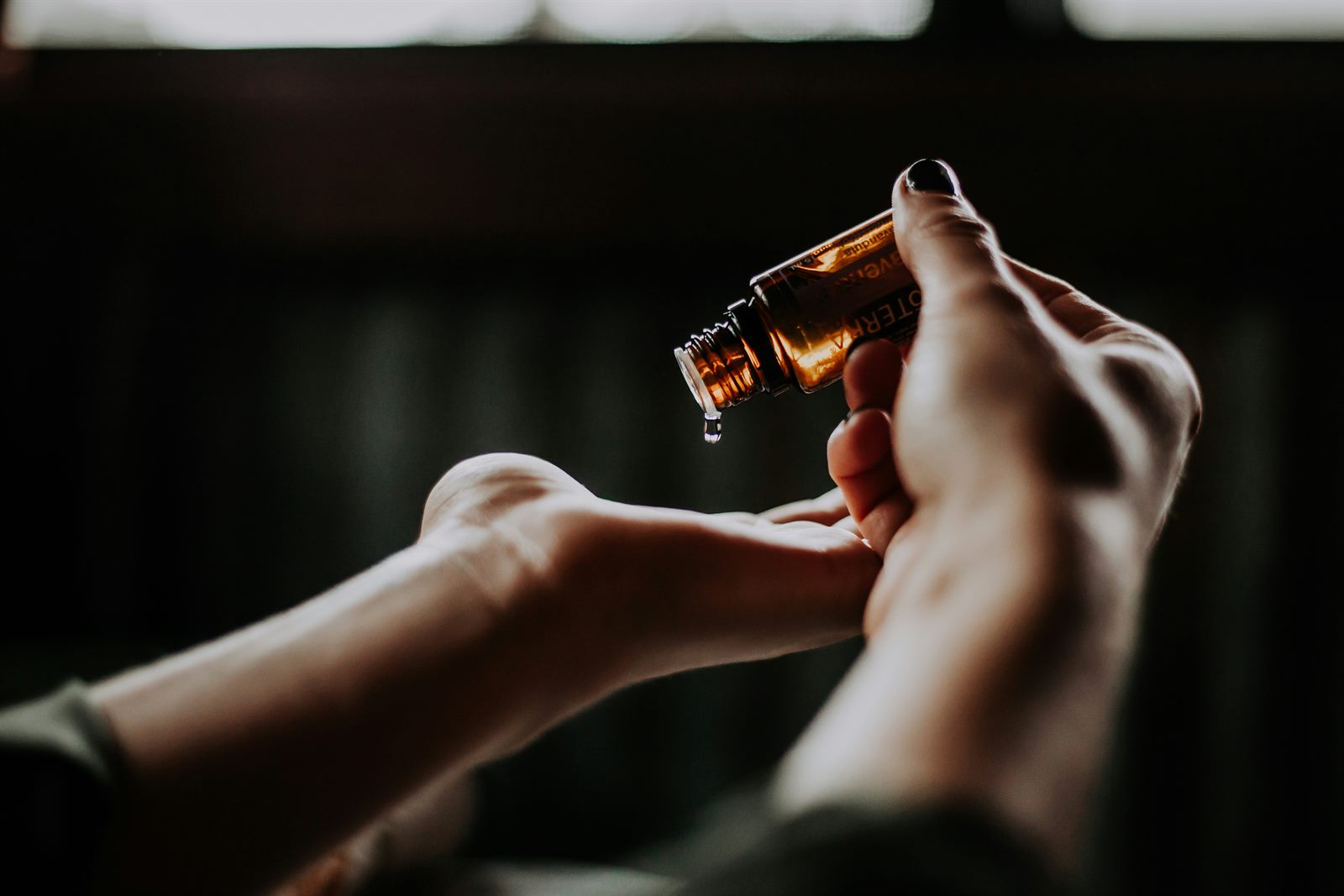
If you use complementary therapies, tell your doctor. This is not a confession — it is clinical information that matters. St John's Wort, a popular herbal supplement for low mood, can interfere with the contraceptive pill, blood thinners, and HIV medications. The assumption that "natural" equals "safe" is one of the most persistent and dangerous myths in consumer health. Your doctor cannot protect you from interactions they don't know about.
For health systems, the priority is more rigorous research. The US National Center for Complementary and Integrative Health runs on roughly $150 million a year — a modest budget given how widely these therapies are used and how much is still unknown. Real-world clinical trials — testing these approaches in actual healthcare settings, not just labs — would generate the kind of evidence that can change practice. The challenge is that most herbal compounds and acupuncture techniques cannot be patented, so there is no commercial incentive to fund the research.
For regulators, a tiered evidence framework would help enormously. Some European countries already allow health claims for traditional remedies that meet a defined evidentiary standard, without requiring a full pharmaceutical trial. That is not lowering the bar — it is calibrating it to the nature of the evidence available. The goal is a healthcare system where East and West do not just coexist awkwardly, but genuinely inform each other in ways that serve patients better than either tradition could manage alone.
- WHO Traditional Medicine Strategy 2019–2025
- NICE Guidelines NG193: Chronic Primary Pain (2021)
- NIH NCCIH: Use of Complementary Health Approaches in the US (2023)
- Harvard Program in Placebo Studies — Kaptchuk et al. (2024)
- JAMA Internal Medicine: Supplement Disclosure Study (2023)
- Johns Hopkins Integrative Medicine Center Annual Report (2025)