The Question
The United Nations has two faces. One is the sprawling humanitarian machine that vaccinates children, feeds refugees, and monitors elections — work that continues, often heroically, far from the headlines. The other is the body meant to keep the peace among nations: the Security Council, the only part of the UN that can legally order the world to act. It is this second face that is faltering. When the gravest crises arrive, the Council increasingly cannot move.
The reason lies in its design. The Council has five permanent members — the United States, the United Kingdom, France, Russia, and China — and each holds a veto. Any one of them can block a binding resolution outright, no matter how many other nations agree. Built in 1945 to ensure the great powers stayed inside the system rather than walking away from it, that veto has become the instrument by which they paralyze it. The question this forecast weighs is whether the UN can still act decisively in the crises to come — or whether it will keep being sidelined precisely when it is needed most.
What the Evidence Shows
The recent record is stark. Russia, a permanent member, has vetoed resolutions concerning its own invasion of Ukraine — a state effectively judging its own case and voting no. Over the long war in Syria, Russia and China cast repeated vetoes that blocked action for years. On Gaza, resolutions calling for ceasefires were vetoed outright or watered down until they carried little force. In each case the Council's most powerful tool — binding, enforceable action — was neutralized by the structure meant to make that tool available.
Beyond the Council chamber, the UN's field power is also shrinking. Peacekeeping, once a signature capability, is in retreat: in 2023 the large mission in Mali, known as MINUSMA, withdrew at the demand of the country's military government, ending years of deployment. The General Assembly, where all member states have a seat and a vote, can pass resolutions expressing the will of the world — but those resolutions are non-binding, statements of opinion rather than orders that must be obeyed. The gap between what the UN can say and what it can enforce keeps widening.
"Decisions of the Security Council shall require an affirmative vote… including the concurring votes of the permanent members."
— Charter of the United Nations, Article 27, the source of the vetoReform has been discussed for more than three decades without result. Proposals to add permanent seats — with India, Brazil, Germany, Japan, and African states most often named — have circulated since the 1990s, yet none has been adopted. Changing the Council requires the consent of the very powers whose relative influence reform would dilute, a circle that has never been squared. The Secretary-General, the UN's top official, commands real moral authority and a global platform, but almost no hard power: he can appeal, mediate, and shame, but he cannot compel.
"A single veto can freeze the world's response to a war — even a war waged by the vetoing power itself."
Why This Is Happening
The veto turns the referee into a player. The Council was meant to police aggression, but its rules let an accused great power block any judgment against itself or its allies. That is not a malfunction; it is the system working as designed. The founders accepted paralysis in hard cases as the price of keeping the great powers inside the tent. As those powers fall out with one another, the price is being paid more and more often.
Great-power rivalry has returned in force. The Council functions best when its permanent members broadly agree. During stretches of the post-Cold War era they often did, and the body acted with unusual vigor. Today, with the United States, Russia, and China locked in sharpening competition, agreement among all five is rare on exactly the crises that matter most. Divided masters make for a paralyzed institution.
Reform is blocked by those it would weaken. Everyone agrees the Council looks like 1945 and not like today; almost no one can agree on the fix. Adding members dilutes existing influence, and the permanent five hold a veto over amendments as well as resolutions. So the structure calcifies — visibly outdated, yet protected by the same powers whose grip any reform would loosen. Thirty years of talks have produced speeches, not seats.
What Could Happen
The Council keeps functioning on lower-stakes matters — mandates renewed, humanitarian access negotiated — but stays paralyzed on the major wars involving or dividing its permanent members. Real crisis response migrates to regional bodies, ad hoc coalitions, and individual powers acting outside the UN.
Pressure yields limited change — new permanent members without vetoes, or voluntary restraint on veto use in cases of mass atrocity — enough to make the Council relevant again on some crises, without touching the core power of the existing five.
States stop bothering to bring major disputes to a body they expect to be blocked, routing decisions permanently through rival blocs and coalitions. The Council persists on paper but becomes a formality that combatants and great powers largely ignore.
What Can We Do
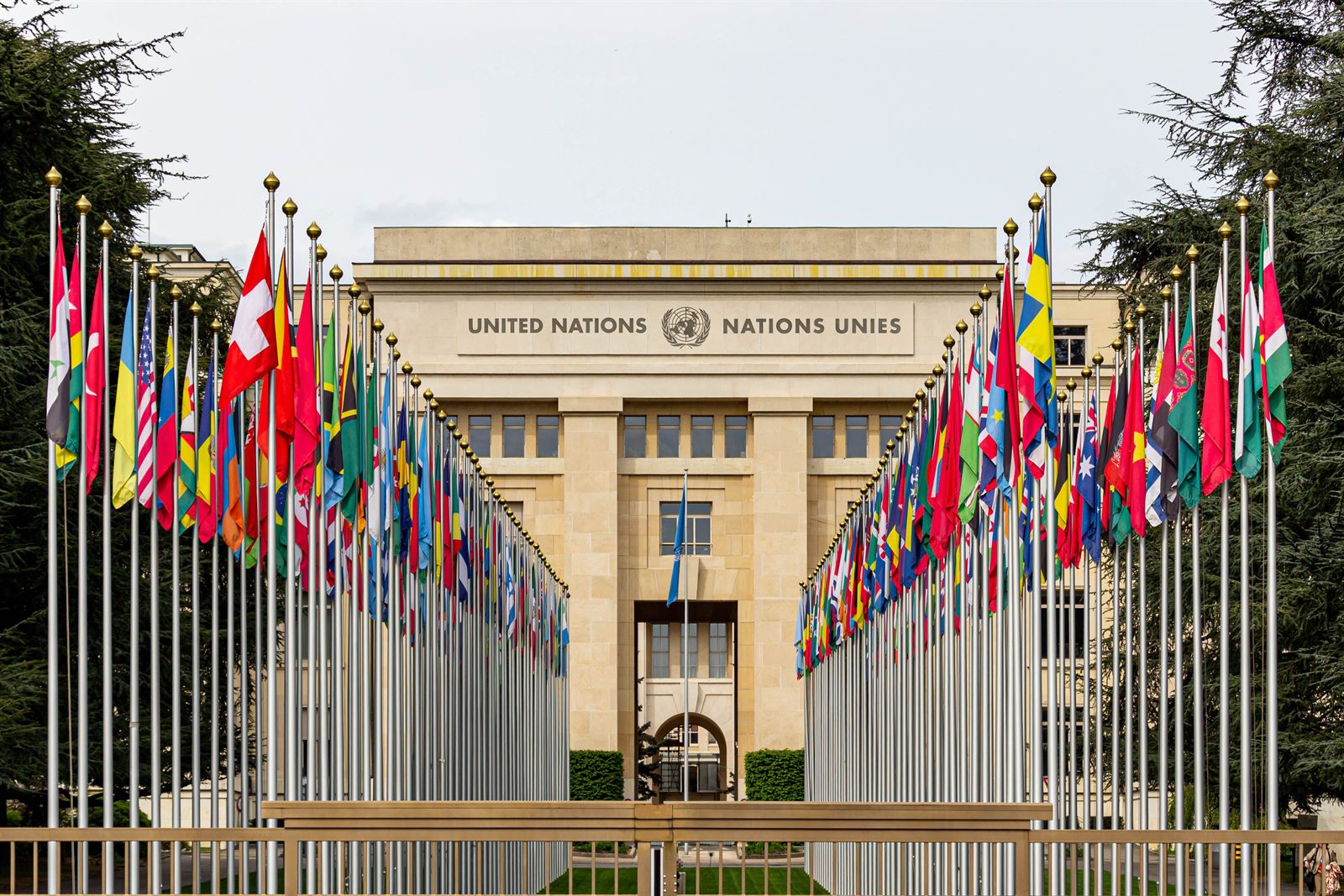
The workings of the Security Council can seem impossibly remote, decided by ambassadors in a distant chamber. But whether the world can collectively respond to war and atrocity affects everyone, and public understanding shapes the pressure for change.
Learn how the machinery actually works. Know the difference between a binding Security Council resolution and a non-binding General Assembly one, and grasp what the veto really does. A public that understands the rules is far harder to mislead about why the UN acts in one crisis and stands frozen in another.
Judge the UN by the right yardstick. The organization's failures on peace and security are real, but so is its quieter success feeding refugees, fighting disease, and coordinating aid. Support the parts that work, and press to fix the parts that do not, rather than dismissing the whole as useless.
Back credible reform, not empty calls. Serious proposals — expanded membership, limits on the veto in atrocity cases — deserve attention over vague demands to "fix the UN." Support leaders and campaigns pushing concrete changes that could actually pass.
Follow the specialists. Security Council Report, the International Crisis Group, and the Council on Foreign Relations track the body's votes, vetoes, and missions with precision. Reading them beats judging the UN by whichever crisis happens to be on the news that week.
- UN Security Council — official records and voting data, 2022–2025
- Security Council Report — monthly forecasts and vetoes, 2025
- Council on Foreign Relations — UN Security Council backgrounders, 2025
- International Crisis Group — conflict analysis, 2025
- UN Department of Peace Operations — peacekeeping reports, 2023–2025
- Forecast The World Research Desk — 800+ data sources