The Question
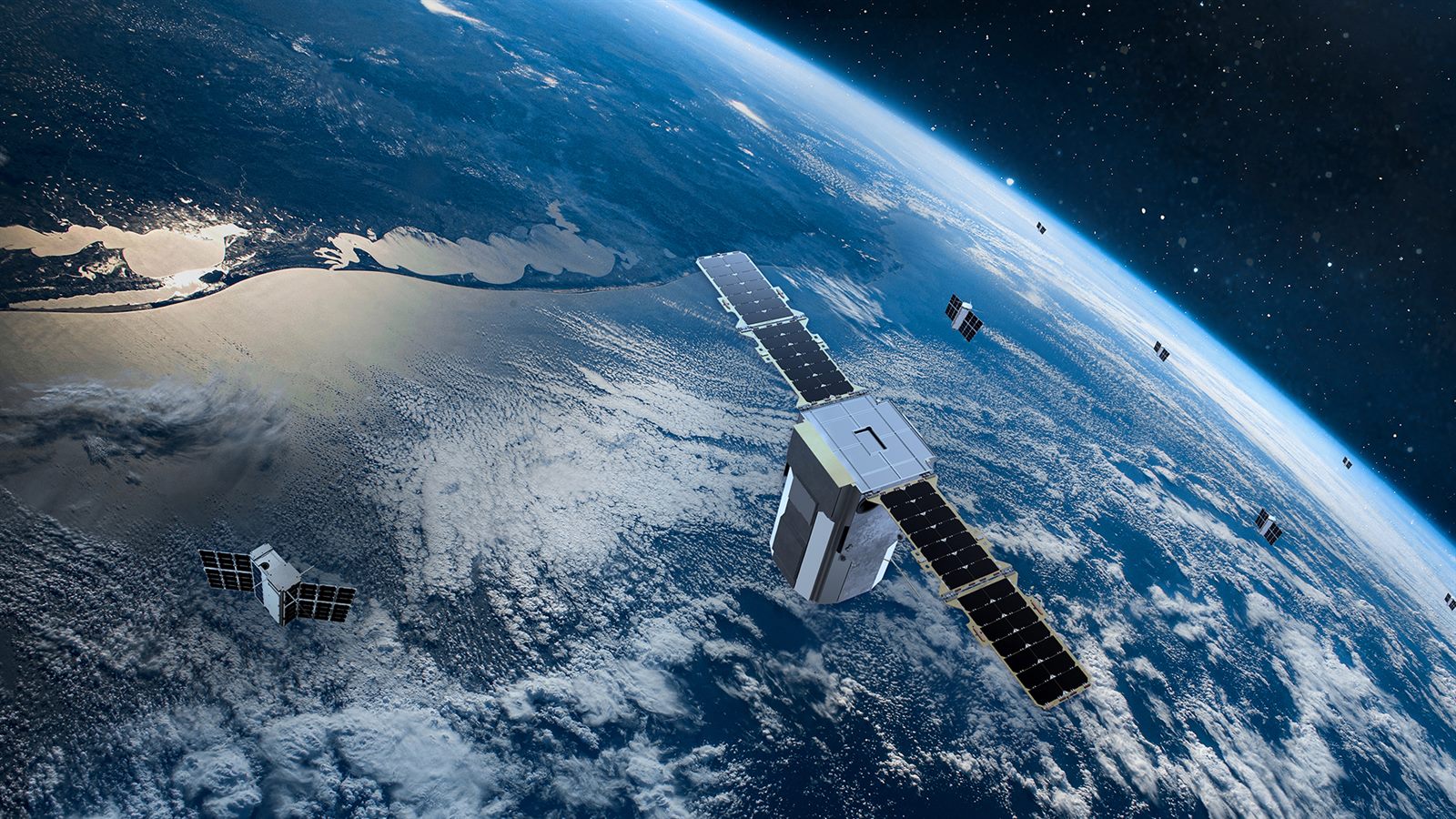
For most of the space age, orbit was a place armies used but did not fight over. Satellites watched, listened, and relayed signals; nobody shot at them. That assumption is now dissolving. The number of active satellites has passed 12,000, with SpaceX's Starlink network alone accounting for more than 7,000 by 2025, and militaries have grown utterly dependent on the services they provide. Anything a modern force relies on that heavily eventually becomes a target — and something worth defending.
The question this forecast weighs is whether space tips from a supporting stage into a genuine theater of competition: a domain the great powers actively organize to control, contest, and, if it came to it, fight in. We assess this shift is likely already underway. It need not mean battles in orbit; it means treating space the way navies treat the sea — as terrain to be commanded. This piece lays out the evidence and where the trajectory could still bend.
What the Evidence Shows
The institutions are being built. The United States established the Space Force in December 2019 as a separate military branch; China reorganized its own space units into a dedicated PLA Aerospace Force in 2024. Nations do not create new services for domains they consider peripheral. Alongside them sit rival groupings for the longer horizon: the US-led Artemis Accords, a framework for cooperation on the Moon signed by dozens of countries, and a competing China–Russia plan for an International Lunar Research Station. Even the diplomacy of space is splitting into blocs.
The weapons are real, and tested. Anti-satellite (ASAT) weapons — systems that destroy or disable satellites — have been demonstrated repeatedly: China struck one of its own satellites in 2007, India did so in 2019 under "Mission Shakti," and Russia destroyed its defunct Cosmos 1408 satellite in November 2021, scattering a cloud of debris that forced the International Space Station's crew to shelter. In 2024, US officials publicly flagged concern about a potential Russian nuclear anti-satellite capability. The tools to fight in orbit exist; only restraint keeps them holstered.
"Counterspace capabilities are proliferating, and the risk of conflict extending into orbit is rising rather than receding."
— Themes drawn from the Secure World Foundation and CSIS space-threat assessments, 2025The dependence that makes all this matter was proven in Ukraine, where Starlink terminals kept forces connected when other networks failed — a vivid demonstration that commercial satellites can be decisive in war. Every advanced military now leans on space for navigation (the US GPS and its counterparts Europe's Galileo, China's BeiDou, and Russia's GLONASS), for ISR — intelligence, surveillance, and reconnaissance — and for communications. The law, meanwhile, lags badly: the 1967 Outer Space Treaty bans weapons of mass destruction in orbit but says nothing about conventional weapons, and no treaty bans ASATs at all.
"Orbit is becoming what the sea long was — not a void to cross, but terrain to command."
Why This Is Happening
Dependence creates vulnerability, and vulnerability invites contest. The more a military relies on satellites, the more tempting it becomes for a rival to threaten them, and the more urgent to defend them. This is a familiar cycle from the sea and the air: once a domain becomes essential to warfighting, it stops being neutral ground. Space has simply reached that threshold, and both the reliance and the counter-reliance now feed each other.
The commercial explosion changed the math. Cheap launch and mass-produced satellites — Starlink above all — put thousands of objects in orbit and blurred the line between civilian and military. A network that carries both consumer internet and battlefield communications is hard to classify, and harder to leave alone in a conflict. The sheer crowding of low orbit also raises the stakes of any clash, because one destroyed satellite can endanger many others.
The rulebook is thin and aging. The core treaty dates to 1967 and never anticipated conventional space weapons or mega-constellations. With no ban on ASATs and no agreed rules of the road, each power hedges by developing capabilities it hopes it will never use. Absent new agreements, prudent militaries prepare for a contested orbit — and by preparing, help bring it about.
What Could Happen
Military space forces mature, counterspace capabilities spread, and rival lunar and orbital blocs harden — but no side actually destroys another's satellites. Space becomes a theater of maneuver, jamming, and posturing rather than open combat, watched as closely as any land border.
Debris scares and mutual self-interest push the major powers toward limited agreements — a moratorium on debris-creating ASAT tests, traffic-management norms, or safety understandings — that keep the domain contested but somewhat governed.
A crisis on Earth spills into space, satellites are attacked, and debris multiplies toward a "Kessler syndrome" cascade — a chain reaction of collisions that could render key orbits unusable for years, harming every spacefaring nation at once.
What Can We Do
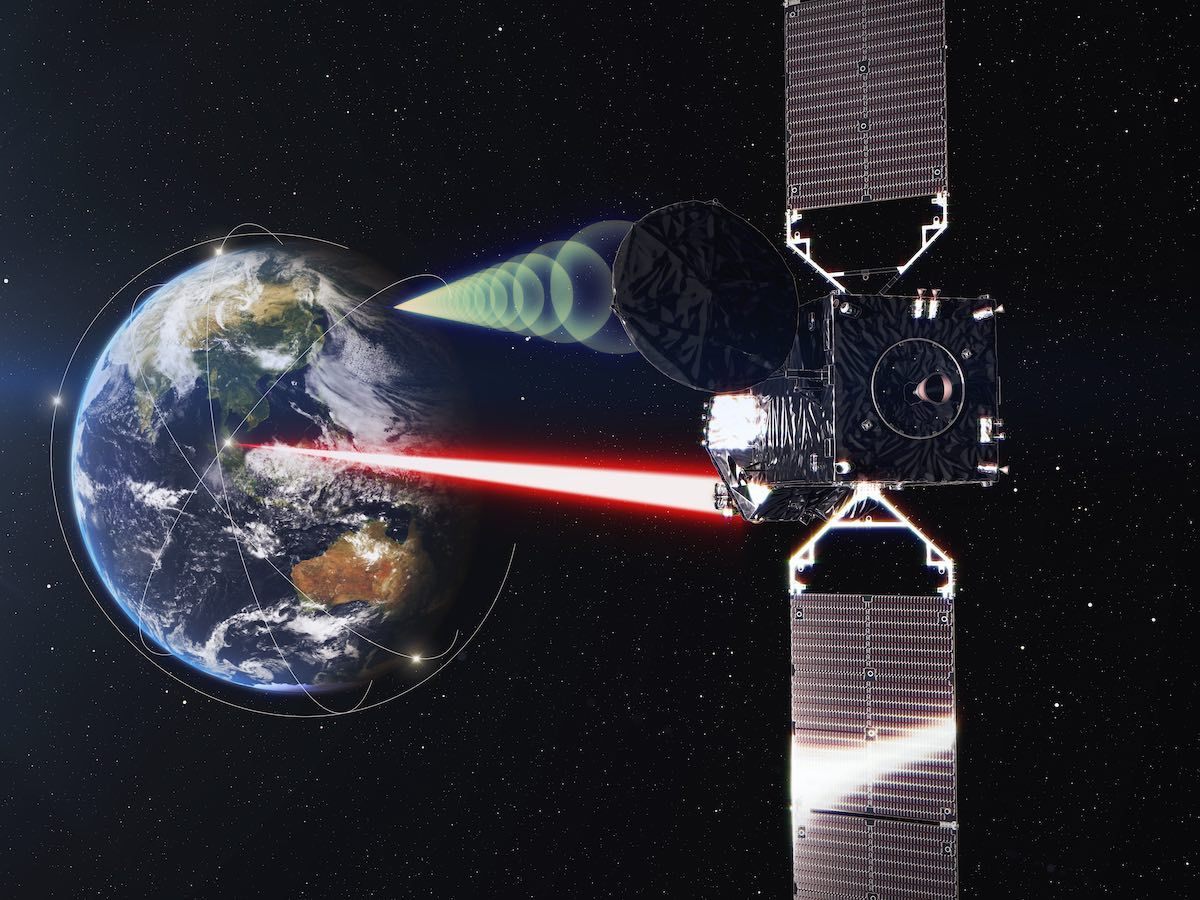
Space policy can feel impossibly distant, decided by generals and billionaires. But everyone on Earth relies on satellites for maps, banking, weather, and communication, and a debris disaster would touch all of it. Public awareness shapes whether space is governed or left to drift.
Understand why debris is the shared danger. Grasping how one collision can spawn thousands of fragments — and why a cascade could lock humanity out of key orbits — clarifies that this is not a zero-sum contest but a commons everyone can wreck. That framing supports cooperation over pure rivalry.
Follow the credible trackers. The Secure World Foundation's "Global Counterspace Capabilities" report and CSIS's "Space Threat Assessment" lay out, in plain and sourced terms, who can do what in orbit. They are far better guides than sensational headlines about "space wars."
Back rules of the road. Support for debris-mitigation norms and a ban on destructive ASAT testing is a concrete, non-partisan cause. Several nations have already pledged not to conduct such tests; wider public backing makes those commitments harder to abandon.
Value the peaceful uses too. Satellites underpin climate monitoring, disaster response, and global connectivity. Keeping that civilian value visible in the debate is a counterweight to treating orbit as purely a warfighting frontier — and a reminder of what a conflict up there would cost.
- Secure World Foundation — Global Counterspace Capabilities, 2025
- CSIS — Space Threat Assessment, 2025
- US Space Command — Public Statements and Posture, 2024
- UN Office for Outer Space Affairs — Outer Space Treaty and Registry Data
- Center for a New American Security (CNAS) — Space Security Research, 2024
- Forecast The World Research Desk — 800+ data sources