The Question
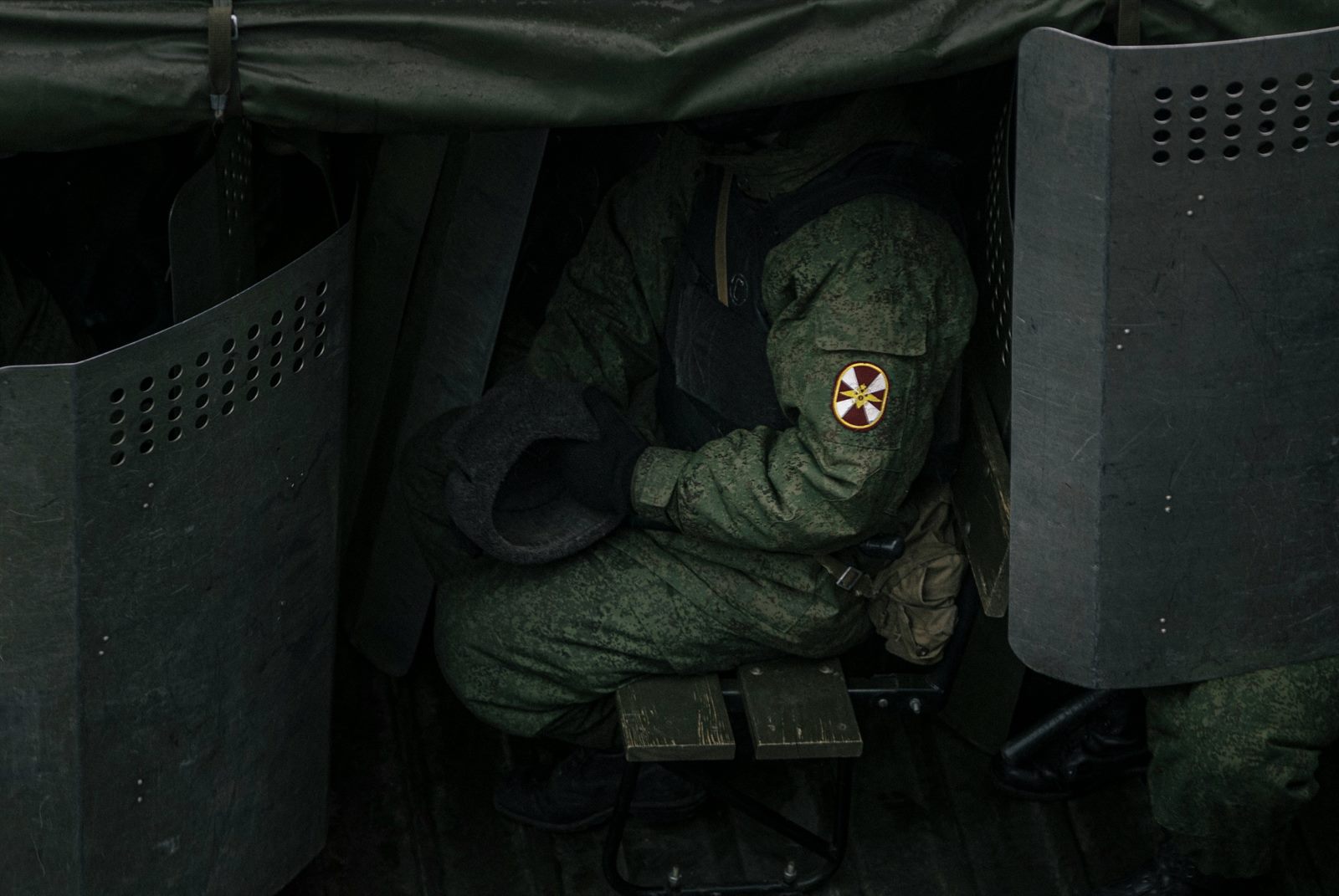
For more than fifty years, through every crisis since the early 1970s, Washington and Moscow always kept at least one agreement alive that counted and capped their nuclear weapons. That chain ended on February 5, 2026, when New START — signed in 2010 and extended in 2021 — expired without a successor. The treaty limited each side to 1,550 deployed strategic warheads. "Strategic" is the key word: these are the long-range weapons carried by intercontinental missiles, submarines, and heavy bombers, built to cross oceans and destroy cities, as opposed to smaller "tactical" weapons designed for the battlefield. For the first time since the era of Nixon and Brezhnev, no treaty constrains them.
The expiry surprised no one. Russia had suspended its participation in February 2023, halting the on-site inspections that let each side verify the other's numbers. President Vladimir Putin offered in September 2025 to informally observe the treaty's central limits for about a year after expiry if the United States did likewise — but an unverified, informal pledge is not a treaty. The question this forecast weighs is stark: does the world rebuild its nuclear guardrails within the next few years, or does the coming decade become the first three-way arms race of the nuclear age, run without rules?
What the Evidence Shows
Start with who has what. The Stockholm International Peace Research Institute (SIPRI) and the Federation of American Scientists estimated in 2025 that Russia holds roughly 5,500 nuclear warheads and the United States about 5,000 — together, close to nine of every ten on Earth. China is the fast mover: the Pentagon counted about 600 operational warheads in 2024 and projects more than 1,000 by 2030, supported by over 300 newly built missile silos. Britain is raising its ceiling toward 260 warheads, France fields about 290, India and Pakistan hold roughly 170 each, North Korea around 50, and Israel maintains an undeclared arsenal estimated near 90.
Meanwhile, the agreements that once contained this competition have died one by one. The Intermediate-Range Nuclear Forces Treaty, which eliminated an entire class of land-based missiles, collapsed in 2019 amid mutual accusations of cheating. The Open Skies Treaty, which allowed unarmed observation flights over each other's territory, unraveled in 2020–21. The Comprehensive Nuclear-Test-Ban Treaty never entered into force, and Russia revoked its ratification in 2023 — the same year it stationed tactical nuclear weapons in neighboring Belarus. New START's expiry was less a single shock than the last stone falling from a ruined arch.
"A nuclear war cannot be won and must never be fought."
— Reagan–Gorbachev Joint Statement, 1985; reaffirmed by all five permanent UN Security Council members, January 2022And every arsenal is being rebuilt at once. The United States is developing the Sentinel intercontinental ballistic missile — a program running billions over budget — alongside the B-21 stealth bomber and Columbia-class submarines. Russia is fielding its Sarmat heavy missile and pursuing exotic systems like the Poseidon nuclear-armed torpedo and the Burevestnik nuclear-powered cruise missile. China is expanding silo fields, submarines, and bombers simultaneously. None of this breaks any treaty — because for the two largest arsenals, there is no longer a treaty to break.
"For half a century, the two biggest arsenals were counted, capped, and inspected. Since February 2026, nobody is counting."
Why This Is Happening
Trust collapsed faster than diplomacy could rebuild it. Arms control runs on verification — inspectors, satellites, and data exchanges that turn promises into checkable facts. Those checks stopped when Russia suspended participation in 2023, and the war in Ukraine froze the political channels that might have revived them. Each treaty's death also lowered the cost of the next one's, until the architecture built since 1972 was gone. Militaries that cannot verify assume the worst — and build for it.
China's rise breaks the old arithmetic of deterrence. Deterrence is the grim logic that no one strikes first because retaliation is certain. For fifty years the math had two main players; now it has three. Washington debates sizing its forces against Russia and China at once, each of them reacts to America's moves, and Beijing — still far behind in numbers — has declined to negotiate limits while it catches up. Three-way deterrence is genuinely harder than two-way: every buildup looks defensive to its owner and threatening to two rivals at once.
Technology is compressing the time to think. Hypersonic weapons maneuver in flight and arrive faster than Cold War-era warning systems assumed. AI-assisted early warning promises quicker analysis but adds new, opaque ways to be wrong. The twentieth century's nuclear false alarms were survived partly because humans had minutes to doubt their screens. As decision windows shrink toward seconds, the greater danger is not a chosen war but a mistaken one.
What Could Happen
Arsenals modernize on all sides and China's stockpile passes 1,000 warheads. The United States and Russia hover near the old ceilings out of cost and caution rather than legal obligation, with occasional talks and informal understandings but no verified agreement. Risk is managed day to day — and rises year by year.
A crisis that comes too close, or the sheer expense of modernization — the Sentinel program's overruns are a preview — pushes Washington and Moscow toward a new cap with at least basic verification, and China into risk-reduction channels if not numerical limits.
Explosive nuclear testing resumes for the first time in decades, deployed numbers surge past old treaty levels, and regional crises take on open nuclear overtones. The taboo against use may hold, but the competition becomes overtly unbounded.
What Can We Do
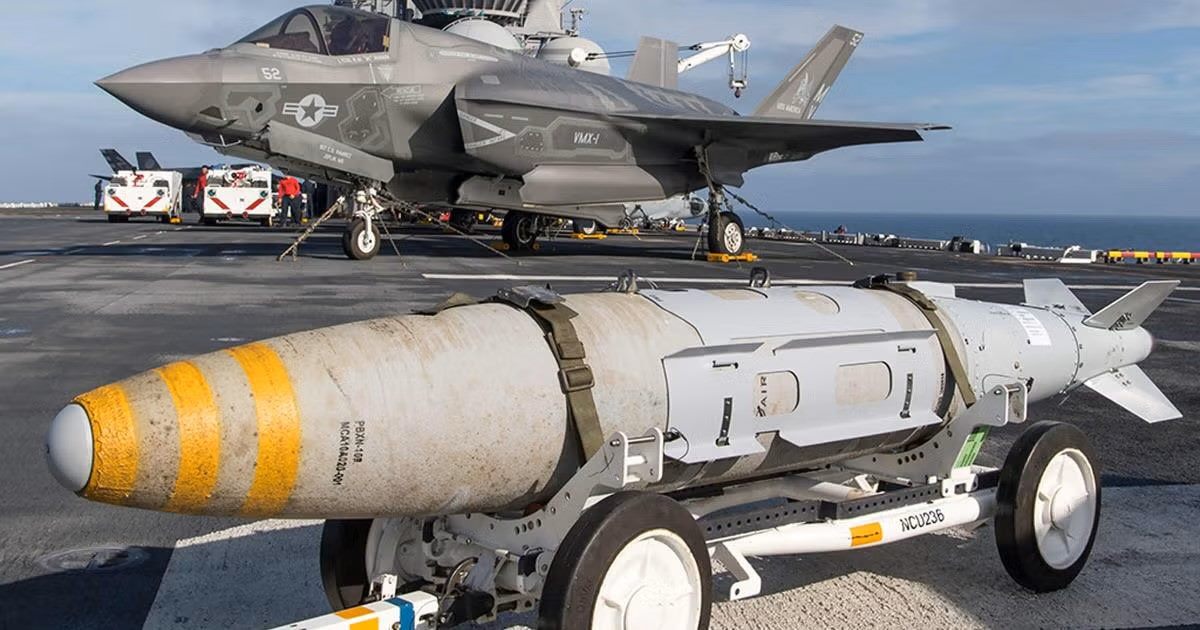
Nuclear policy is decided in a handful of capitals, and it can feel like the least personal issue on Earth. History says otherwise: public pressure helped build the arms-control era in the first place.
Learn the vocabulary of the debate. Know the difference between a strategic and a tactical weapon, and what verification actually involves. Citizens who understand the terms are harder to stampede with either complacency or panic — and informed publics preceded every major arms-control breakthrough of the last century.
Support risk reduction, not only disarmament. Hotlines, launch notifications, and military-to-military channels are unglamorous, cheap, and lifesaving. Back leaders and institutions that keep this plumbing working even when grand treaties are out of reach; it is what turns false alarms into footnotes instead of catastrophes.
Follow the real numbers. SIPRI and the Federation of American Scientists publish free, carefully sourced estimates of every arsenal each year. Tracking deployed warheads and watching for warning signs — renewed explosive testing above all — beats arguing from headlines.
Defend the taboo. No nuclear weapon has been used in war since 1945. That eighty-year norm is one of civilization's quietest achievements, and it survives only as long as people insist on it. Treat any talk of "winnable" nuclear war as the red line it is — whoever says it.
- SIPRI Yearbook 2025 — World Nuclear Forces
- Federation of American Scientists — Nuclear Notebook, 2025
- US Department of Defense — China Military Power Report, 2024
- Arms Control Association — US–Russia Nuclear Arms Control Timeline, 2026
- IISS — The Military Balance 2025
- Forecast The World Research Desk — 800+ data sources