The Question
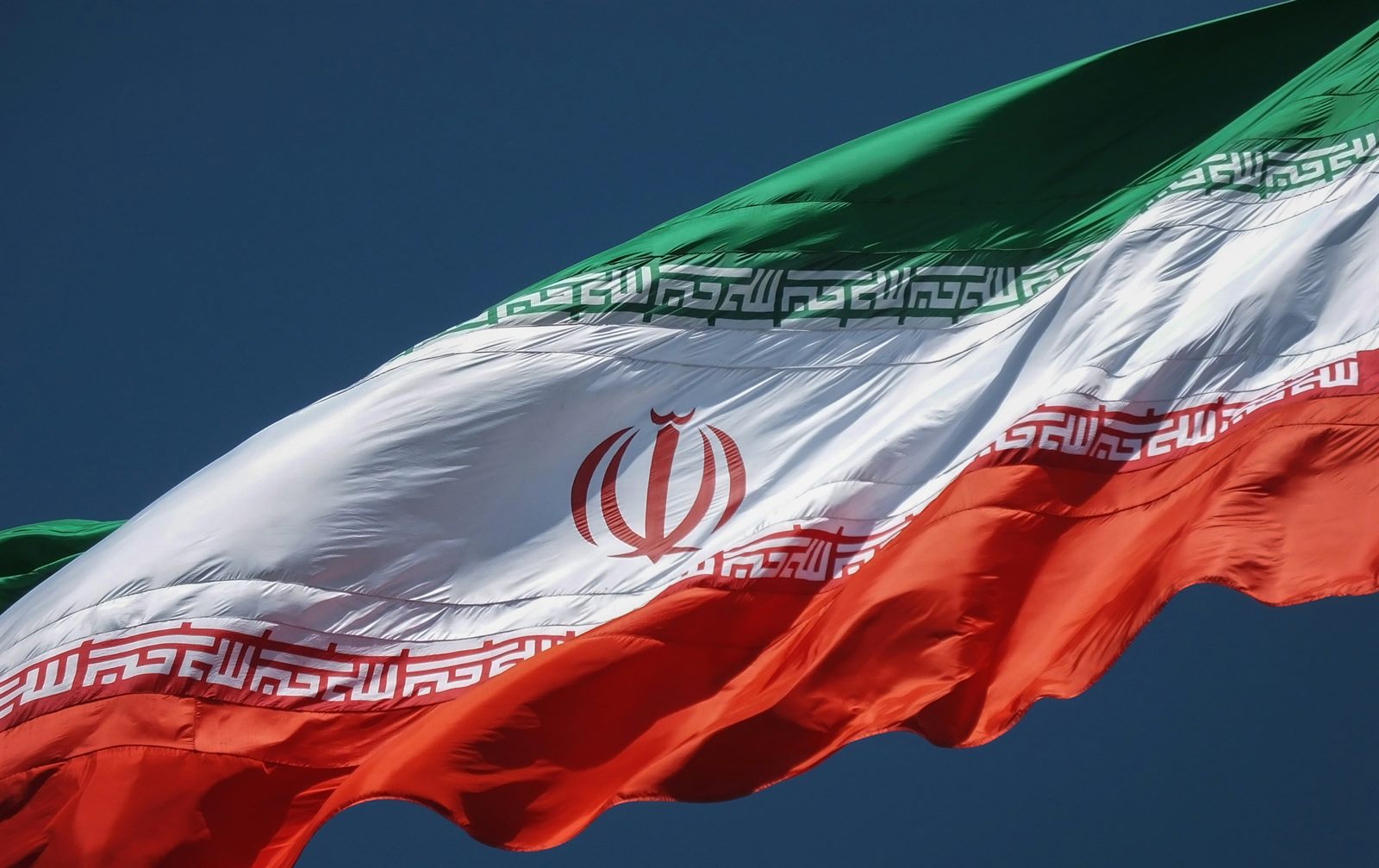
In June 2025, Israel and Iran fought a 12-day war that ended only after American B-2 bombers struck Iran's nuclear facilities at Fordow, Natanz, and Isfahan on June 21–22, followed by a ceasefire on June 24. Barely a year later they were at war again. That second conflict — the 2026 Iran war — concluded with a 14-point memorandum of understanding, announced on June 14, 2026 and signed three days later by the presidents of the United States and Iran, designed to formally end the conflict within 60 days of signature.
A memorandum of understanding is diplomatic language for a framework: a list of commitments that is less binding than a treaty. This one has an unusual feature — no official text has ever been published. What the world knows of it comes from briefed versions given to journalists and legislatures. So the question this forecast asks is not whether the latest war has ended. It is whether anything about the current arrangement can prevent a third, wider war — one that pulls in Lebanon, the Gulf, shipping lanes, and the United States more deeply than the first two.
What the Evidence Shows
Start with the nuclear file, because it started both wars. The enrichment sites at Natanz and Fordow — where centrifuges spin uranium toward higher purity — were severely damaged and are likely inoperable for producing weapons-grade material, which means uranium enriched to around 90%. There is no evidence Iran has resumed proliferation-sensitive enrichment since. But the file is not closed: a deeply buried site near Natanz, reported under the name "Pickaxe," was unaffected by the strikes and could pose a future risk. Every attempt to renegotiate a nuclear deal in 2025 and 2026 failed.
Now widen the lens. The regional network Iran spent decades building is in ruins but not erased. Hezbollah, its most powerful ally, was gravely weakened after its leader was killed in September 2024. The Assad government in Syria — Iran's land bridge to the Mediterranean — fell in December 2024. The Houthis in Yemen attacked Red Sea shipping from 2023 to 2025, forcing much of world commerce to reroute around Africa. Tehran, for its part, has set hard limits: it says wider talks require an Israel–Hezbollah ceasefire in Lebanon first, and that its ballistic-missile program is not negotiable.
"The strikes set Iran's enrichment capacity back substantially, but destruction is not verification. Without inspectors on the ground and an agreed framework, the world is estimating — not confirming — the state of Iran's program."
— Arms Control Association issue brief on the 2026 conflictFinally, the peace itself. The 60-day clock on the memorandum runs into mid-August 2026, and diplomats can only cite briefed versions of what each side promised. Hundreds of pages of analysis — from the UK House of Commons Library to legal scholars tracking the conflict — return to the same worry: an agreement nobody can read is an agreement anybody can reinterpret, and hardliners in Israel, Iran, and the United States all have reasons to test it.
"A ceasefire everyone has heard about but no one has read is a foundation built on trust — the region's scarcest commodity."
Why This Is Happening
Deterrence in the region now runs on demonstration, not agreement. Since 2024, each side has restored its sense of security by striking the other — and each strike resets the other side's need to respond. Two wars in thirteen months is what that cycle looks like. The memorandum interrupts the cycle; it does not replace it with rules, inspectors, or institutions that would make restraint self-sustaining.
The nuclear question is damaged, not answered. Bombing set back Iran's enrichment by years, but knowledge cannot be destroyed, the "Pickaxe" site sits untouched underground, and diplomacy to replace bombs with inspections has repeatedly failed. As long as ambiguity persists, the argument for another preventive strike — hitting first to stop a bomb — never fully goes away, on any side.
A weakened Iran is not automatically a safer Iran. With Hezbollah degraded, Syria lost, and its economy strained, Tehran leans harder on the tools it retains: ballistic missiles it refuses to negotiate away, ties to the Houthis, and the option of a nuclear hedge. Its adversaries, meanwhile, may be tempted to press their advantage while it lasts. Weakness invites both defiance and opportunism — a combustible pairing.
What Could Happen
The memorandum limps into implementation. Periodic strikes, proxy incidents, and nuclear scares keep the region on edge, but neither side chooses a third full war in the near term. Escalation risk stays the decade's largest — managed, never resolved — while talks on Lebanon and the nuclear file start and stall repeatedly.
The unpublished memorandum collapses — over an alleged violation, a covert nuclear move, or a proxy attack — and the next round does not stay bilateral. Hezbollah's remnants, the Houthis, Gulf infrastructure, and US forces are drawn in, and Red Sea and oil shipping face their worst disruption of the decade.
The memorandum's 60-day process produces a published agreement, a Lebanon ceasefire follows, and international inspectors return to Iran under a new framework. Deterrence-by-strike gives way to verification, and the escalation cycle that produced two wars is genuinely broken.
What Can We Do
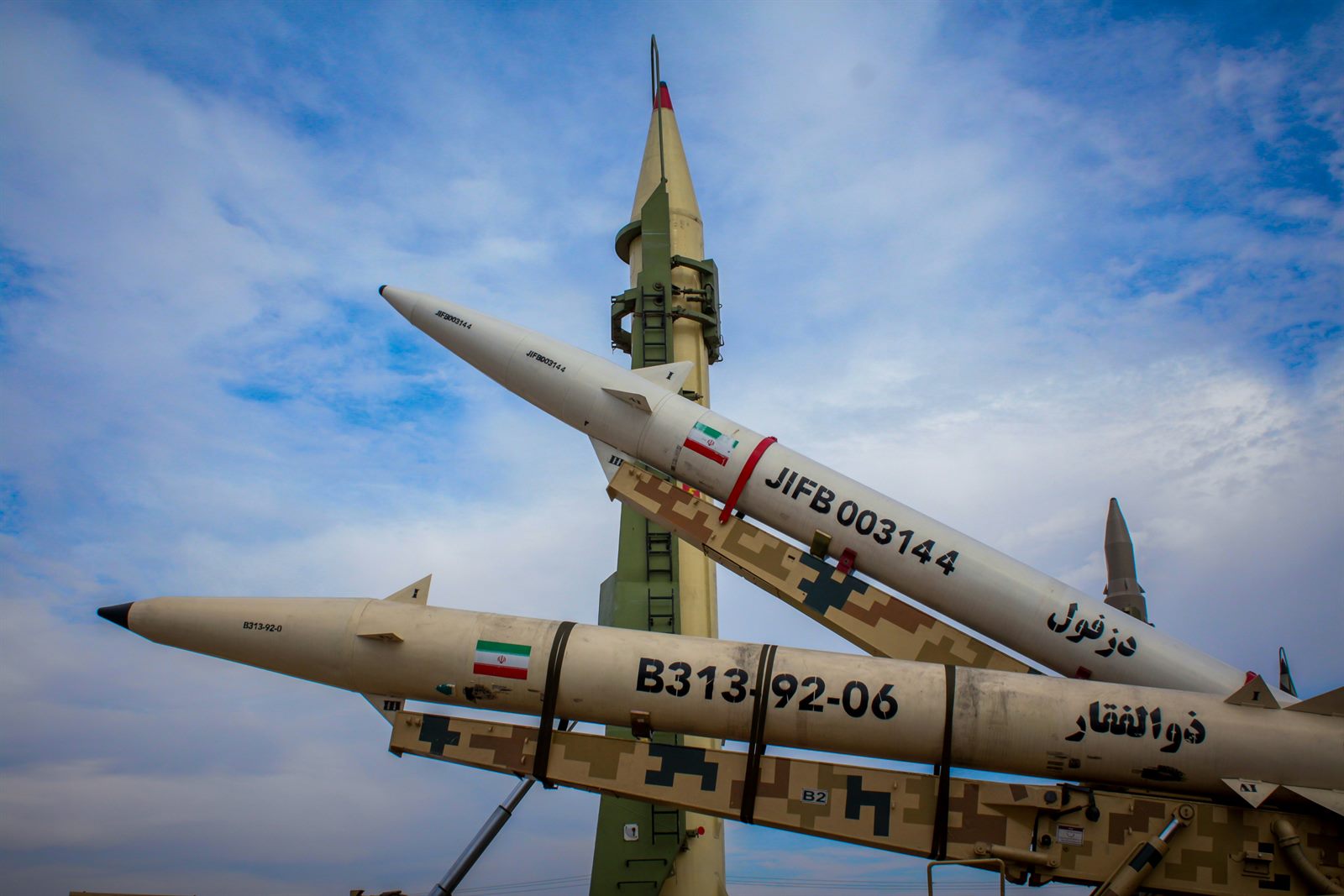
Few readers can influence deterrence between Jerusalem, Tehran, and Washington. But this risk touches everyone through energy prices, shipping costs, and a flood of competing claims — and informed attention is a real defense.
Watch the 60-day clock. The memorandum was signed on June 17, 2026 and is meant to formally end the conflict within 60 days. Whether that deadline passes with a published text, a quiet extension, or recriminations is the single clearest signal of where the region is headed next.
Follow the IAEA, not the rumors. The International Atomic Energy Agency is the UN's nuclear watchdog, and its reporting is the closest thing to ground truth on Iran's program. Claims about secret enrichment that do not trace back to inspectors or governments on the record deserve heavy skepticism.
Keep an eye on Lebanon and the Red Sea. Iran has made an Israel–Hezbollah ceasefire the gateway to wider talks, and Houthi attacks already forced shipping around Africa once this decade. Movement in either arena — toward calm or toward violence — usually precedes the bigger headlines.
Distrust certainty from every direction. Nuclear intelligence is probabilistic, and all sides have incentives to overstate or understate it. Analysts who show their evidence and acknowledge what they cannot know are worth more than any confident prediction — including, we would add, this one.
- Arms Control Association — issue brief on the 2026 Israel–Iran conflict (2026)
- International Atomic Energy Agency — Iran verification and monitoring reports (2025–2026)
- UK House of Commons Library — briefings on the 2026 Israel–Iran conflict (2026)
- SIPRI — Stockholm International Peace Research Institute Yearbook (2025)
- Just Security — Israel–Iran conflict collection (2025–2026)
- Forecast The World Research Desk — 800+ data sources