The Question
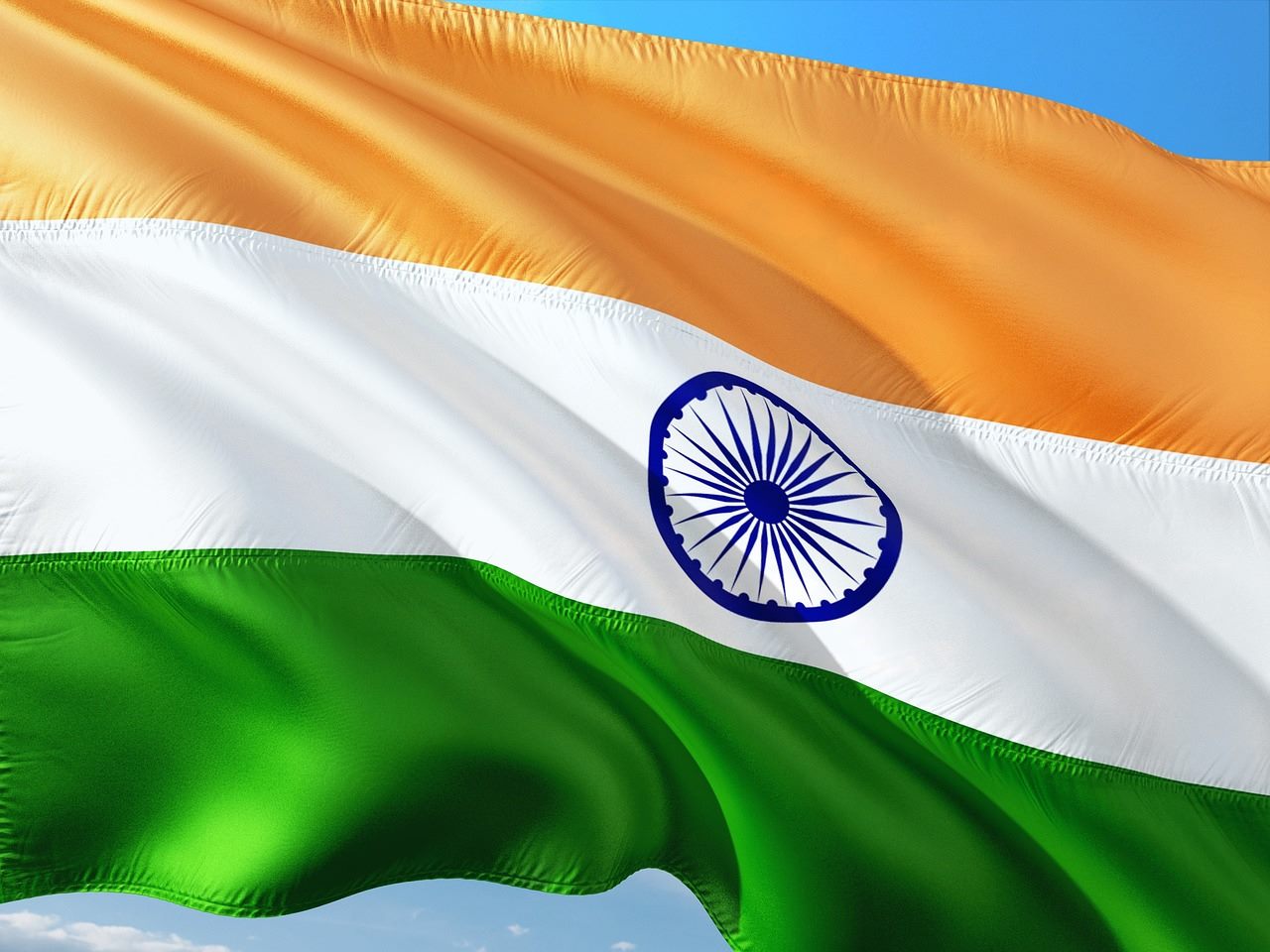
In an election, the swing voter is the one both parties fight hardest for — not because of loyalty, but precisely because of the lack of it. Apply that idea to nations and you get a swing power: a country big enough to matter, committed to no bloc, and courted by all of them. This forecast weighs whether India — home to more than 1.4 billion people, already the world's fifth-largest economy, with one of the largest military budgets on Earth — becomes that country for the 2030s.
The case is unusually visible. India belongs to the Quad, the security grouping with the United States, Japan, and Australia — and simultaneously to BRICS and the Shanghai Cooperation Organisation, the clubs where China and Russia set much of the agenda. No other major power straddles both camps. Whether New Delhi can keep that straddle profitable, or is eventually forced to choose a side, will shape how this era's rivalries play out.
What the Evidence Shows
Start with scale. India surpassed China as the world's most populous nation in 2023, and with a median age around 28 it has the young workforce that China, Europe, and Japan increasingly lack. It is the fastest-growing major economy, expanding at roughly 6.5–7% a year, and the IMF projects it will overtake Japan and Germany to become the world's third-largest economy around 2027–28. Manufacturing is following the growth: Apple has shifted a rising share of iPhone assembly to India, targeting roughly a quarter of global output, drawn by government production-linked incentive schemes that pay companies to build locally.
Then watch how New Delhi spends that weight. From 2023 to 2025, India became a top buyer of discounted Russian oil, shrugging off Western pressure — while simultaneously deepening defense ties with Washington through the 2023 iCET technology initiative, a landmark agreement for General Electric to co-produce fighter-jet engines in India, and purchases of American armed drones. Its military, funded by roughly the fourth-largest defense budget in the world, operates Russian S-400 air-defense systems alongside Western hardware. During its 2023 G20 presidency, India also convened "Voice of the Global South" summits, casting itself as the developing world's spokesman.
"India is the only major power that every bloc actively courts and none can count on. That combination — not raw size alone — is what makes a swing power."
— Forecast The World research brief, 2026The constraints are just as real. India's rise comes with hard borders: its soldiers fought Chinese troops hand-to-hand in the Galwan Valley in 2020, and although the two sides reached a patrolling and disengagement understanding in October 2024, the Himalayan frontier remains heavily militarized. In May 2025, the Pahalgam terror attack triggered Operation Sindoor and a four-day conflict with Pakistan — a reminder that regional crises can seize New Delhi's attention overnight. And for all its aggregate size, India's income per person remains far below China's, let alone the West's, leaving enormous development work still to do.
"Every capital wants India on its side. India's strategy is to make sure none of them ever fully gets it."
Why This Is Happening
Scale is converting into leverage. A market of 1.4 billion consumers, a deep pool of engineers, and growth near 7% give India something every power bloc needs — customers, workers, and factories. As companies look to spread supply chains beyond China, India is the only economy with comparable size to absorb them, which turns commercial appeal into diplomatic bargaining power.
The US–China rivalry raises India's price. Washington sees India as the indispensable counterweight to Beijing in Asia; Russia needs India as an energy customer and arms buyer; China would rather neutralize India than fight it. When giants compete, the biggest uncommitted player collects offers from everyone — technology transfers, oil discounts, investment — simply for staying uncommitted.
Strategic autonomy is doctrine, not indecision. Since independence in 1947, India has refused formal alliances, from Cold War non-alignment to today's "multi-alignment." The policy commands broad support across India's political spectrum, which means the balancing act is not one leader's preference but a settled national strategy likely to outlast any government.
What Could Happen
India becomes the third-largest economy around 2027–28 and keeps extracting technology, energy, and investment from all sides. By the early 2030s, its position decides outcomes — which trade rules spread, how Indo-Pacific security coalitions form, and how much weight the Global South carries in world institutions.
A border clash in the Himalayas or a wider Indo-Pacific conflict pushes New Delhi much closer to Washington in practice — deeper intelligence sharing, more joint production — even while it formally preserves autonomy. India gains security but loses some of its swing-power leverage.
Growth slows under the weight of job shortfalls, uneven infrastructure, or repeated crises with Pakistan and China. India remains a major regional power but never converts scale into decisive global influence, and the 2030s stay a two-way US–China story.
What Can We Do

Most readers will never set policy toward New Delhi. But India's decade will reach wallets, workplaces, and headlines far beyond South Asia — and it rewards those who see it coming.
Expect India in your supply chain. The phone in your pocket, the generic medicines in your cabinet, and the software behind your bank increasingly involve Indian factories and firms. As assembly and services shift, product origins, prices, and job markets in many countries will feel the pull.
Read India on its own terms. Commentary that sorts the world into pro-Western and pro-Russian camps will keep misreading New Delhi. Judging India's moves through the lens of strategic autonomy — every decision serving Indian interests first — makes its behavior predictable instead of puzzling.
Watch the borders, not just the boardrooms. The biggest threats to this forecast are the Himalayan frontier with China and the flashpoint with Pakistan. When those heat up, as in 2020 and May 2025, markets and diplomacy move — they are the early-warning indicators worth following.
Follow the demographics. A median age of 28 means India's consumers, engineers, and investors will shape global markets for decades. For students choosing fields, professionals choosing markets, and savers weighing where growth lives, India's rise is among the safest long-term trends to build around.
- IMF — World Economic Outlook, 2025
- World Bank — India Development Update, 2025
- SIPRI — Military Expenditure Database, 2025
- Carnegie Endowment for International Peace — India Program, 2025
- Council on Foreign Relations — India Backgrounders, 2025
- Forecast The World Research Desk — 800+ data sources