The Question
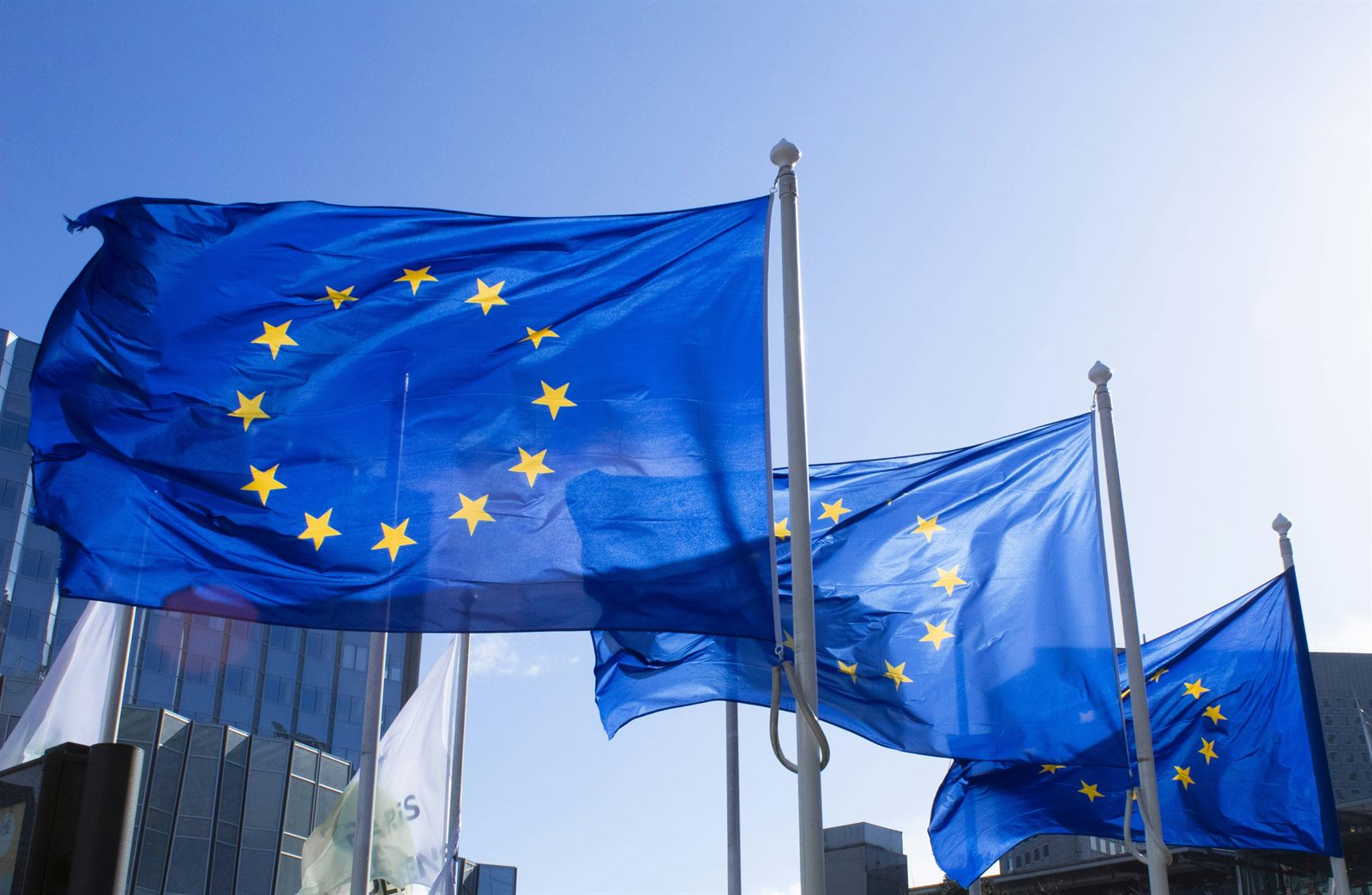
The phrase "European army" has been a political lightning rod for decades — dreamed of by federalists, dismissed by skeptics, and blocked by the plain fact that armies belong to nations, not to Brussels. Under the EU's treaties, defense is a national competence: each member controls its own troops, and the biggest decisions require unanimity, meaning any single government can say no. That is the core obstacle, and it is not going away. There will be no single European army summoned into being by a vote.
And yet something is being built. Prodded by war on their continent and by doubts about how long they can rely on the United States, EU governments have spent recent years stitching their militaries closer together — not by abolishing national forces, but by pooling money, weapons, and command structures around them. The result is easy to miss if you are only watching for a grand announcement. This forecast asks a narrower, more realistic question: not whether Europe declares a single army, but whether, by 2035, it will have assembled a de facto joint capability that functions like one in practice.
What the Evidence Shows
The building blocks are already in place, and multiplying. Permanent Structured Cooperation, known as PESCO and launched in 2017, now coordinates more than 60 joint projects to develop shared military capabilities. The European Defence Fund co-finances the development of new weapons across member states, pushing them to build together rather than duplicate. The EU is standing up a Rapid Deployment Capacity — a force of roughly 5,000 troops targeted for 2025 — meant to let the bloc act quickly in a crisis without waiting on outside help.
The pace accelerated sharply in 2025. The Strategic Compass, adopted in 2022, had already set out common defense goals; then came "ReArm Europe," also branded "Readiness 2030," unveiled in March 2025, a plan to mobilize as much as €800 billion for defense. Within it sits a €150 billion instrument called SAFE, designed to lend money for joint procurement so that European states buy weapons together and build a common industrial base. A joint Franco-German brigade already exists, and a European "reassurance force" for Ukraine was discussed in 2025 among a so-called coalition of the willing. None of this is a single army — but all of it is the connective tissue one would need.
"Europe must be able to defend itself and act as a credible security provider."
— Theme of the EU's White Paper for European Defence – Readiness 2030, 2025Two things are worth keeping straight. First, this integration runs alongside NATO, not against it: for most EU members, the transatlantic alliance remains the bedrock of their defense, and the EU's push is meant to strengthen the European contribution to it, not replace it. Second, the goal that is actually within reach is shared funding, shared procurement, joint brigades, and integrated commands — a capability assembled from national armies that increasingly train, equip, and plan as one. What is not on the table is a single force that dissolves national militaries or supplants the alliance. The likely destination is a joint capability in all but name.
"Not one army by decree, but many armies wired together until they act like one."
Why This Is Happening
War returned to the continent. A full-scale war on Europe's eastern edge shattered the assumption that large-scale conflict was a thing of the past. Governments that had let their militaries wither for decades suddenly faced the prospect of having to fight, or at least deter, a peer adversary. Fear is a powerful integrator: it turned abstract talk of European defense into budgets, brigades, and procurement plans almost overnight.
American reliability can no longer be assumed. For eighty years, Europe's ultimate security guarantee came from Washington. Now European capitals openly plan for a future in which American attention drifts toward Asia and home, and in which support cannot be taken for granted. Building shared capability is their insurance policy — a way to be able to act even if the traditional guarantor steps back.
Pooling is cheaper and stronger than going it alone. Twenty-seven separate defense industries buying twenty-seven different systems is wasteful and weak. Joint funds, joint procurement, and shared projects let European states get more firepower for their money and field forces that can actually operate together. The economic logic reinforces the strategic one: integration is simply the more efficient path to real military weight.
What Could Happen
Shared funding, common procurement, multinational brigades, and integrated command structures deepen until European forces function together in practice — a joint capability in all but name, operating alongside NATO while national flags stay on the uniforms.
Unanimity requirements, budget disputes, and disagreements over strategy slow the momentum. Projects continue but stay fragmented, and Europe ends the decade more coordinated than before yet still far short of anything resembling a unified capability.
A severe shock pushes governments to change the treaties themselves, creating genuine common command over a standing force — a step far beyond today's cooperation that would require political will Europe has never yet mustered.
What Can We Do
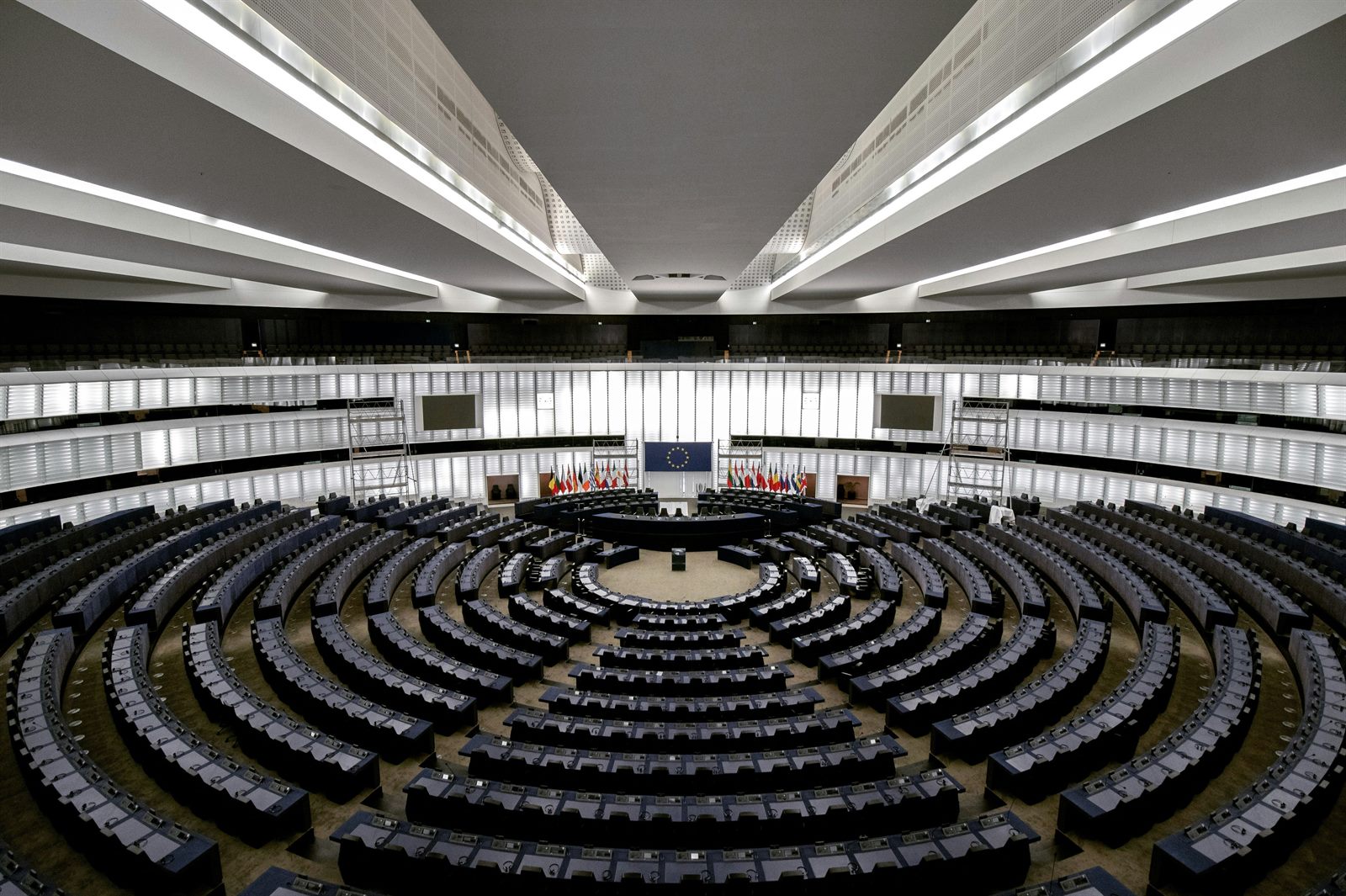
European defense can seem like an alphabet soup of acronyms and summits, remote from daily life. But whether the continent can defend itself shapes the security, budgets, and freedom of hundreds of millions of people. Citizens have a stake, and a voice.
Look past the "European army" headline. The real story is not a single force but the quiet assembly of joint funds, procurement, and brigades. Understanding that distinction lets you judge what is actually happening rather than reacting to a slogan that both supporters and critics tend to distort.
Follow the money and the mechanisms. The size of the defence fund, the take-up of SAFE loans, and the number of PESCO projects reveal far more about Europe's direction than any speech. Watching whether the €800 billion plan turns into real spending tells you if the ambition is becoming capability.
Understand how it relates to NATO. European integration is meant to complement the transatlantic alliance, not compete with it. Knowing that keeps the debate honest and guards against the false choice between "Europe" and "NATO" that clouds much of the discussion.
Follow the credible analysts. The European Defence Agency, the European Commission's defence white papers, the International Institute for Strategic Studies, and the European Council on Foreign Relations track this build-up with rigor. Reading them beats trusting either the boosters or the dismissers of a "European army."
- European Defence Agency — annual defence data, 2025
- European Commission — White Paper for European Defence – Readiness 2030, 2025
- EU Strategic Compass, 2022
- IISS — The Military Balance 2025
- European Council on Foreign Relations — European defence analysis, 2025
- Forecast The World Research Desk — 800+ data sources