The Question
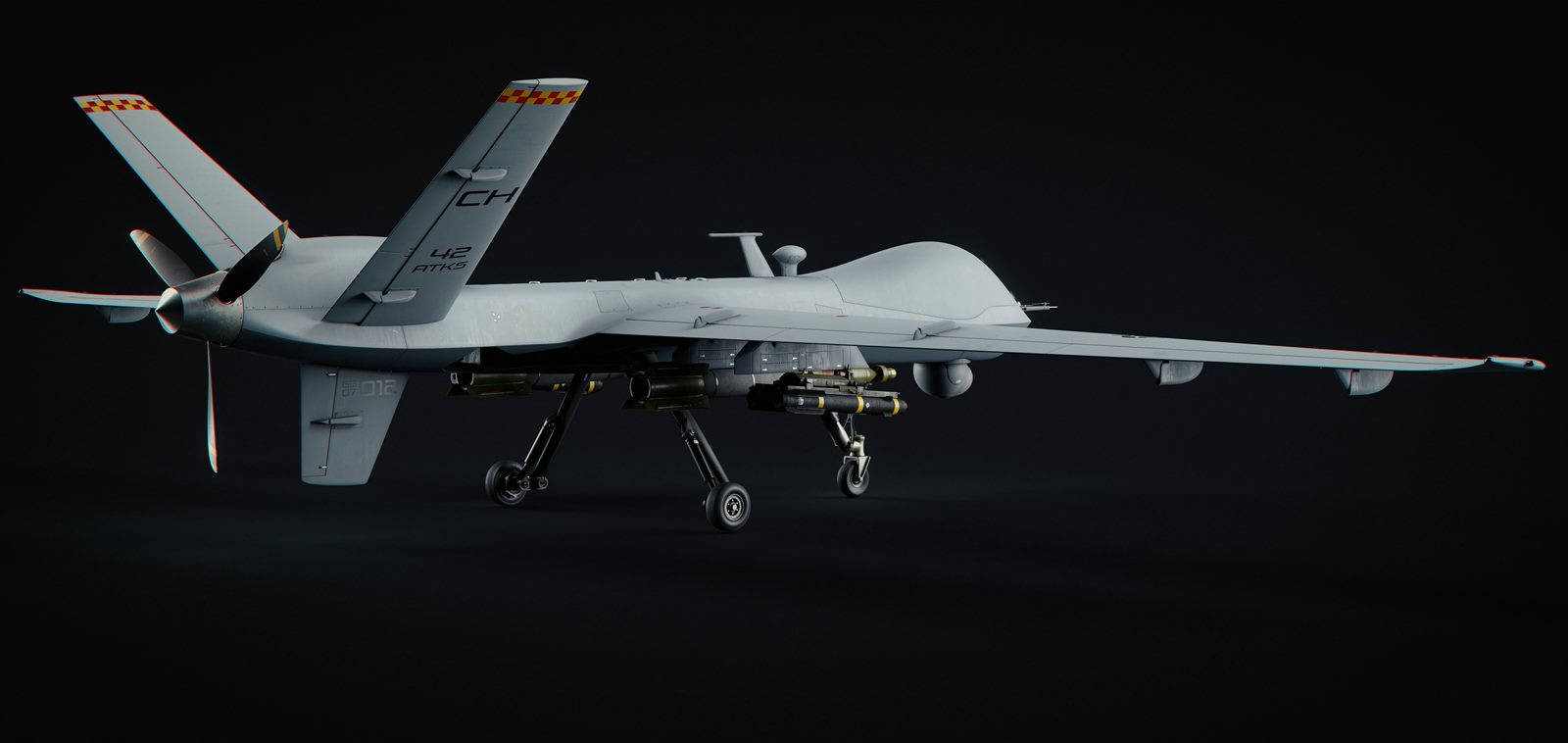
The deadliest weapon of the 2020s is not a stealth jet or a hypersonic missile. It is a small quadcopter, often assembled from hobbyist parts, carrying an explosive charge and costing about as much as a smartphone. In Ukraine, these first-person-view drones — FPVs, flown by a pilot wearing goggles that stream live video from the drone's camera — hunt individual soldiers and vehicles miles beyond the front line. A machine costing roughly $500 can destroy a tank worth $10 million. That inversion of military economics is the most consequential fact in modern warfare.
Every revolution in war invites the same skeptical question: is this a permanent change, or a quirk of one battlefield? Machine guns and barbed wire in 1914 turned out to be permanent; some other innovations faded. This forecast weighs whether cheap unmanned systems have durably changed how wars are fought — and finds that the world's major militaries have already answered the question with their budgets.
What the Evidence Shows
The numbers from Ukraine are stark. Multiple battlefield assessments in 2024 and 2025 — including from the Royal United Services Institute (RUSI), a London defense think tank whose researchers work directly with Ukrainian units — found that drones cause the majority of battlefield equipment losses on both sides, displacing artillery as the war's dominant killer. Production scaled to match: Ukraine's Ministry of Defense reported around 2.2 million drones built in 2024, with a 2025 target of roughly 4.5 million. Russia answered with mass production of Shahed-type attack drones — long-range, propeller-driven machines based on an Iranian design — and by late 2025 was launching waves of more than 500 in a single night at Ukrainian cities and power plants.
Then drones began deciding events far from any trench. On June 1, 2025, Ukraine's SBU security service executed Operation Spiderweb: FPV drones smuggled deep into Russia inside trucks, then launched at strategic bomber bases across multiple time zones, damaging or destroying more than a dozen aircraft, including Tu-95 bombers. At sea, Ukraine — a country with almost no conventional navy — used explosive-laden sea drones such as the Magura V5 to force Russia's Black Sea Fleet to pull back from its historic base at Sevastopol. And in the Red Sea, Houthi drones and missiles disrupted one of the world's busiest shipping lanes from 2023 to 2025, forcing much of global commerce to reroute around Africa.
"Tactical drones now account for the majority of destroyed Russian systems on the battlefield."
— RUSI battlefield assessment of the war in Ukraine, 2025NATO has felt the new era directly. On the night of September 9–10, 2025, about 20 Russian drones crossed into Poland, and alliance aircraft shot several down — the first kinetic engagement with Russian military assets in NATO's history. Drone sightings later forced airport shutdowns in Copenhagen and Munich. The adaptation race is now global: the US "Replicator" initiative aims to field thousands of cheap autonomous systems, NATO is debating a "drone wall" of sensors and interceptors along its eastern flank, and Ukraine stood up an entire new military branch — the Unmanned Systems Forces — in 2024. At the front, fiber-optic-guided FPVs that trail a hair-thin cable are immune to radio jamming, while both sides now fly interceptor drones whose only job is hunting other drones.
"A $500 drone can kill a $10 million tank — and the missile fired to stop it can cost $1 million. Every defense budget on Earth is being rewritten around that math."
Why This Is Happening
The economics of destruction have inverted. For decades, military power meant small numbers of exquisite, expensive platforms. Drones flipped the ledger: attackers spend hundreds of dollars, defenders spend millions. When a $50,000 attack drone has to be stopped by an interceptor missile costing $1 million or more, the defender loses the exchange even when the shot hits. Cheap, expendable mass has become a strategy in its own right.
The technology came from your pocket, not a weapons lab. Small drones ride on commercial supply chains built for smartphones and hobbyists — cameras, batteries, motors, radio chips. That means no military monopoly, no decade-long procurement cycles, and near-instant global diffusion. A tactic that works in Ukraine one month shows up with other armies, and with armed groups like the Houthis, the next.
Defense has not caught up with offense. Radio jamming was the first answer, so both sides adopted fiber-optic guidance that jamming cannot touch. Guns and missiles work, but cost too much per shot to counter swarms. Until cheap, scalable counter-drone defenses mature — interceptor drones, automated guns, directed-energy weapons such as lasers — the advantage sits with the attacker, and every general staff knows it.
What Could Happen
By 2030, dedicated drone branches, mass production lines, and layered counter-drone defenses are standard from Washington to Beijing. Battles open with drone salvos, tanks and ships survive only under drone escort and electronic cover, and manned platforms keep narrower, better-protected roles.
Interceptor drones, automated gun systems, and directed-energy weapons drive the cost of stopping a drone below the cost of the drone itself. The pendulum swings back toward the defense, and small drones settle in as one important tool among many rather than the battlefield's dominant killer.
Major militaries conclude the drone war was a special case of a static front between two particular armies, and revert to platform-centric spending. History argues against this path: forces that dismissed aircraft in the 1930s paid for it in the 1940s, and today's budgets are already moving the other way.
What Can We Do
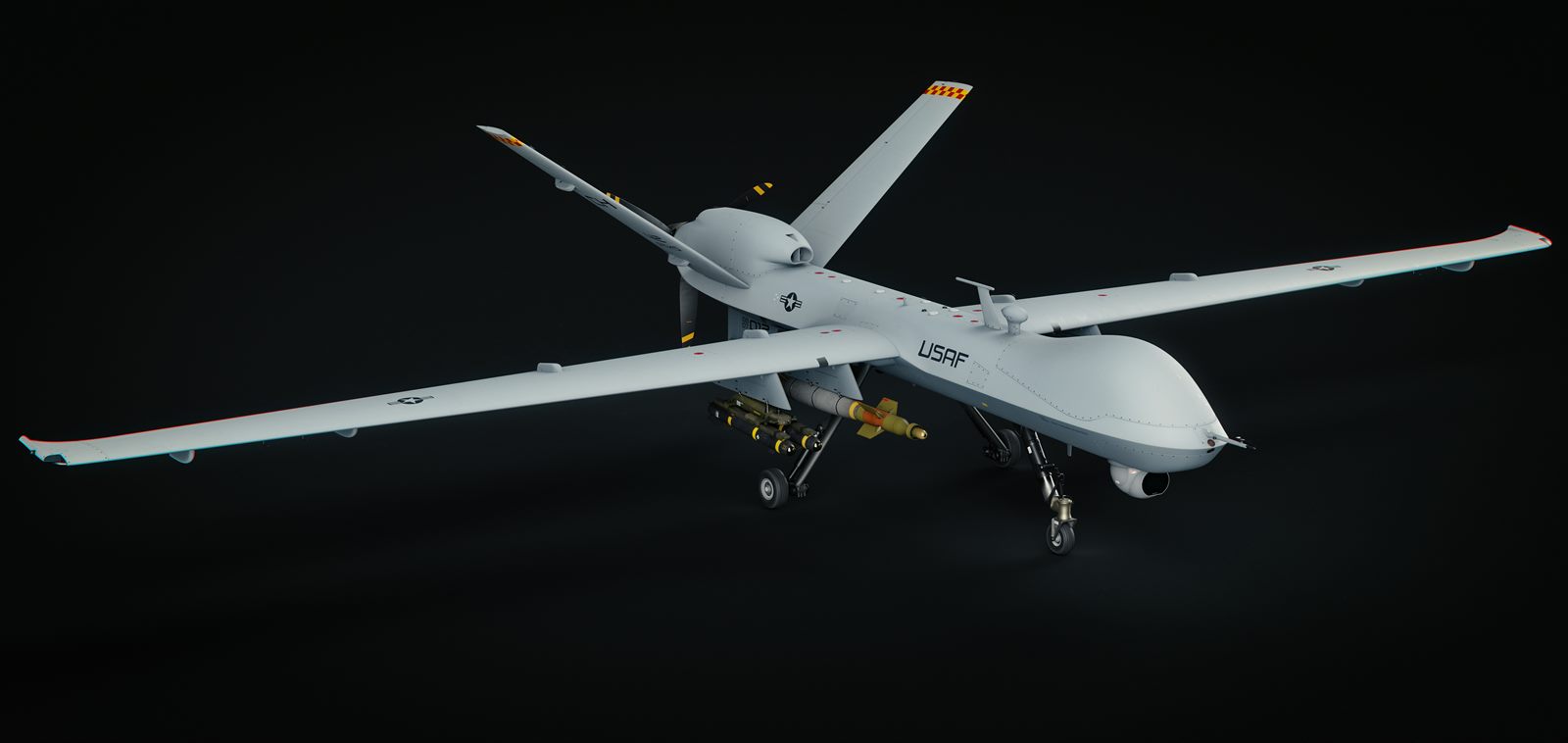
Most readers will never fly a military drone, but this revolution reaches civilian life directly — through airports, shipping prices, and the defense budgets taxes fund.
Learn the basic vocabulary. An FPV is a cheap, pilot-flown strike drone; a Shahed-type is a long-range one-way attack drone; an interceptor is a drone built to hunt drones. Knowing those three terms lets you read defense news critically instead of being carried along by hype or fear.
Expect disruption without panic. The Copenhagen and Munich shutdowns showed that a handful of drone sightings can close a major airport for hours. Treat such events as the new normal of a contested airspace — disruptive, rarely dangerous to civilians — and rely on official information rather than viral speculation when they happen.
Follow the money in your own country's budget. The honest test of adaptation is procurement: whether spending shifts toward expendable systems, counter-drone defenses, and ammunition, or stays locked in legacy platforms. Annual reviews like the IISS Military Balance track this in plain numbers.
Engage with the autonomy debate. The next step — drones that select and strike targets with less and less human oversight — is a live policy question, not science fiction. Norms on autonomous weapons are being written now, and they will be shaped by public pressure or by battlefield momentum alone.
- RUSI — Battlefield assessments of the war in Ukraine, 2023–2025
- IISS — The Military Balance 2026
- CSIS — Drone warfare and counter-drone analyses, 2025
- Institute for the Study of War — Campaign assessments, 2024–2025
- Ukrainian Ministry of Defense — Drone production figures, 2024–2025
- Forecast The World Research Desk — 800+ data sources