The Question
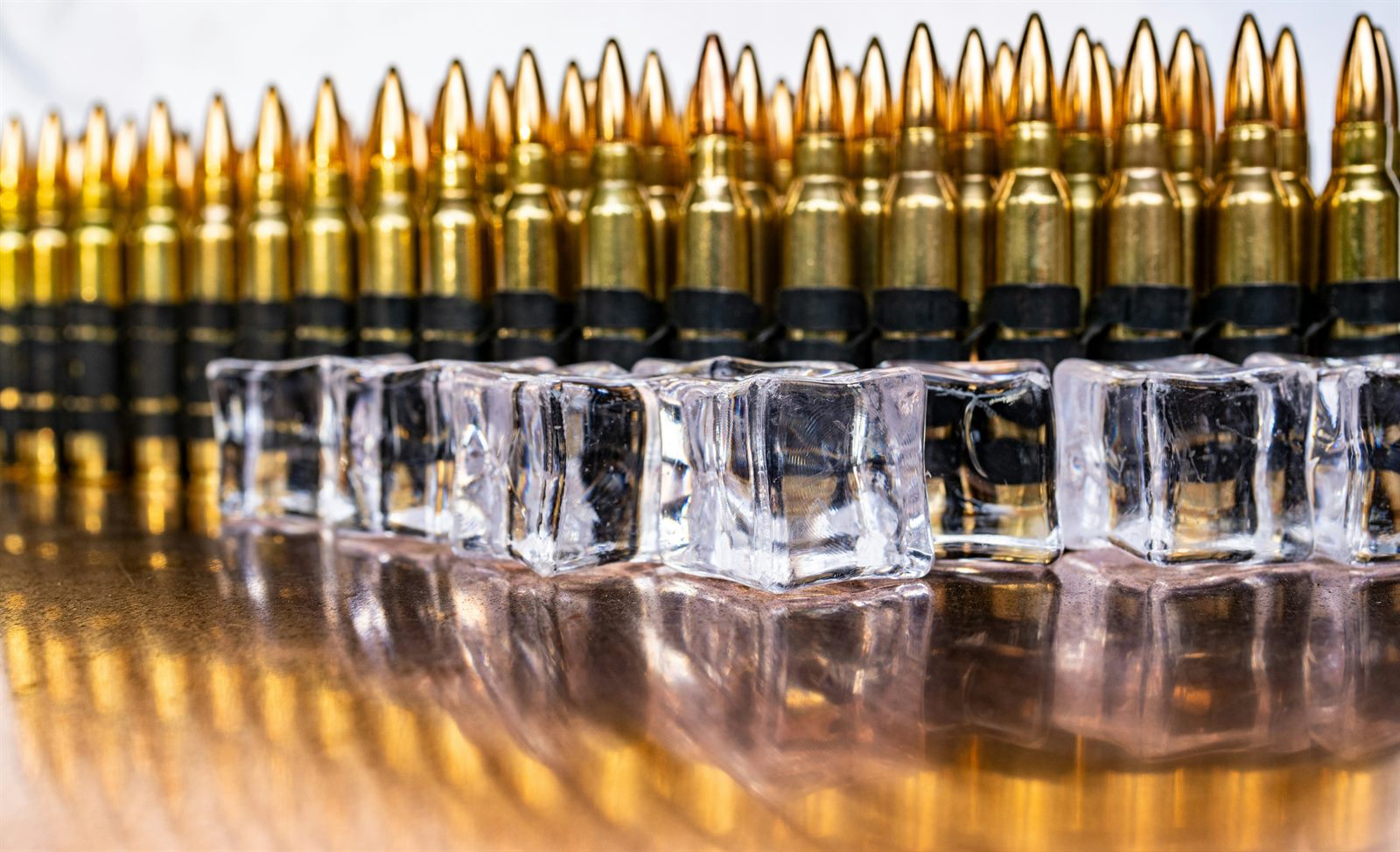
Danger is hard to measure, but the instruments that try are flashing red. In 2025 the Bulletin of the Atomic Scientists set its Doomsday Clock — a symbolic gauge of how close humanity stands to self-inflicted catastrophe, maintained by scientists since 1947 — to 89 seconds to midnight, the closest to midnight in its entire history. That single move captures a broader unease: the sense that several distinct dangers, each serious on its own, are arriving at the same moment and reinforcing one another.
This is a synthesis rather than a single forecast — an attempt to read the whole board at once. The claim is not that catastrophe is certain, but that the coming decade carries a higher baseline of geopolitical risk than the relatively calm years that followed the Cold War's end. The question this forecast weighs is whether that heightened danger holds through the 2030s, or whether the stabilizing forces that have prevented great-power war for eighty years reassert themselves.
What the Evidence Shows
Consider the pieces separately. The nuclear guardrails have come down: New START, the last treaty limiting the two largest arsenals, expired in February 2026 with no successor, while the Pentagon's 2024 assessment projects China expanding toward more than 1,000 warheads. Multiple wars run at once rather than in sequence — Ukraine, Sudan, the Sahel, and recent rounds of conflict in the Middle East — a level of simultaneous major conflict the post-Cold-War world had grown unused to.
Layered on top is great-power rivalry that no longer stays in its lane. The competition between the United States and China touches trade, technology, finance, alliances, and the seas at once, so that a clash in any single domain can ripple into the others. And entirely new arenas of conflict have opened that barely existed a generation ago: cyberattacks on infrastructure, the militarization of space, autonomous drones reshaping the battlefield, and artificial intelligence entering military decision-making. Each adds a fresh axis along which miscalculation can occur.
"It is 89 seconds to midnight — the closest the Clock has ever been set to catastrophe."
— Bulletin of the Atomic Scientists, Doomsday Clock Statement, 2025Two slower-moving pressures act as what analysts call "threat multipliers" — forces that do not start wars themselves but make every other danger worse. The first is democratic decline, which weakens the institutions that manage crises and negotiate restraint. The second is climate stress, which strains resources, drives migration, and sharpens competition over water, food, and land. Neither is a weapon, but both lower the system's tolerance for shocks. The Doomsday Clock's record setting reflects this pile-up, not any one threat in isolation.
"No single danger defines the decade. It is the way so many arrive together, and feed one another, that sets it apart."
Why This Is Happening
The post-Cold-War order has frayed faster than a new one has formed. The decades after 1991 were unusually calm partly because one power was dominant and the rules were widely accepted. That arrangement has eroded without a stable replacement, producing an in-between period in which multiple powers compete, old agreements lapse, and no one framework governs behavior. Transitions between orders are historically among the most dangerous moments in international politics.
The domains of conflict have multiplied. For most of the twentieth century, war meant land, sea, and air. Now cyber, space, and AI have joined them, each with fewer rules, less experience, and blurrier lines between peace and war. A cyberattack or a satellite interference has no agreed threshold for what counts as an act of war, which makes escalation easier to stumble into and harder to control.
Restraints and pressures are moving in opposite directions. Just as the stabilizing institutions — arms-control treaties, strong democracies, cooperative forums — have weakened, the destabilizing pressures of climate stress and simultaneous conflict have grown. When the brakes wear thin at the same moment the engine revs, the risk of an accident rises even if no one intends a crash.
What Could Happen
The decade runs hot — more conflicts, sharper rivalry, repeated crises in cyber and space — but the stabilizers hold: nuclear deterrence keeps the great powers cautious, economic interdependence raises the cost of open war, and diplomacy defuses the worst standoffs. Dangerous, but short of catastrophe.
A serious scare or shared interest revives arms control, crisis hotlines, and rules for the new domains, and a measure of great-power cooperation returns, lowering the baseline risk before the decade ends.
A flashpoint — over Taiwan, in Europe, or through a new-domain miscalculation — escalates into direct conflict between great powers or a genuine nuclear crisis, marking the decade as not merely dangerous but historically catastrophic.
What Can We Do
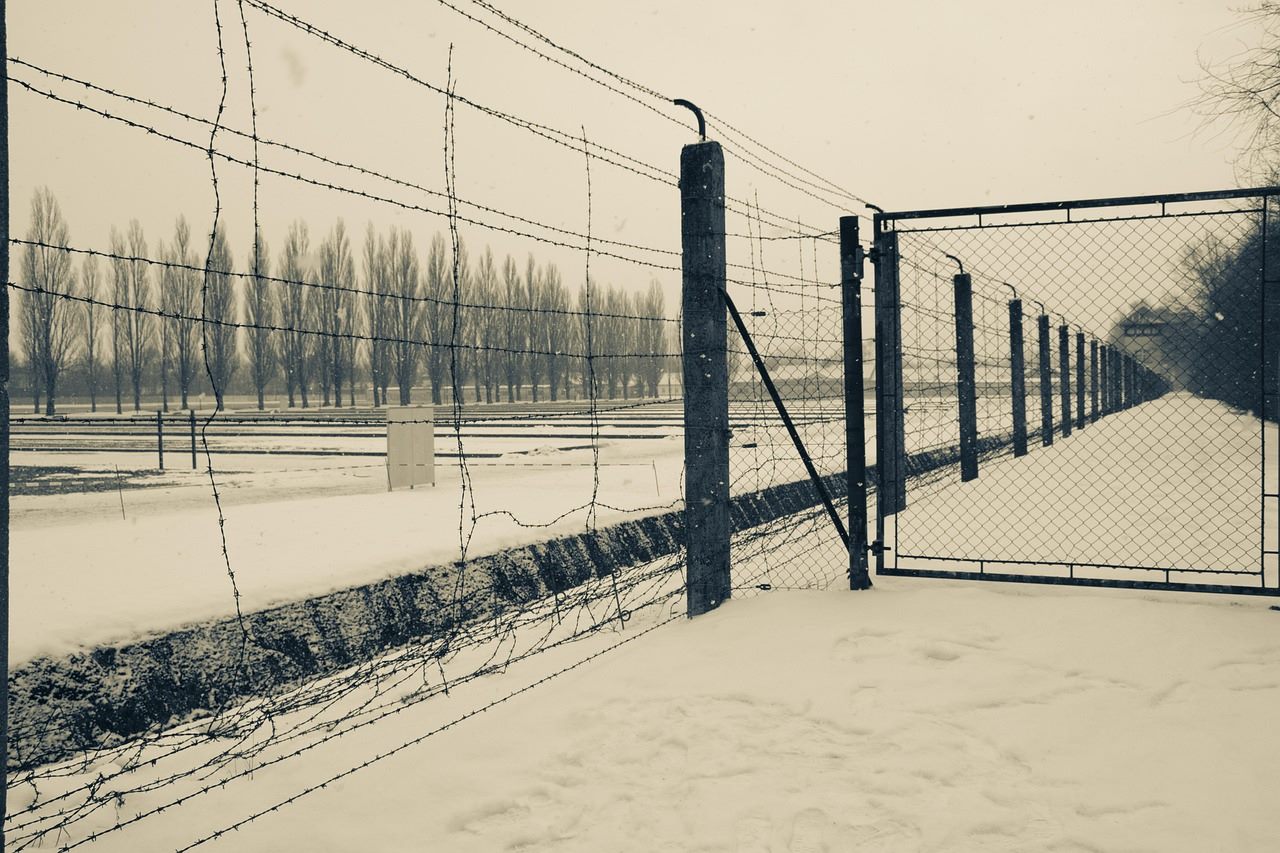
A "dangerous decade" can feel like something that simply happens to people, beyond anyone's reach. But danger is a probability, not a fate, and probabilities respond to the choices publics and leaders make along the way.
Think in systems, not single scares. The point of this forecast is that the risks connect — a nuclear lapse, a cyber incident, and climate stress are not separate stories. Training yourself to see the whole board guards against both panic over any one headline and complacency about the pattern they form together.
Support the guardrails that still exist. Arms-control talks, crisis hotlines, and rules for cyber and space are unglamorous but decisive. Backing leaders and institutions that maintain this plumbing — even when grand breakthroughs are out of reach — is what keeps a dangerous decade from becoming a catastrophic one.
Follow the serious trackers. The Bulletin of the Atomic Scientists, SIPRI, the Munich Security Report, and conflict datasets like Uppsala's publish careful, sourced assessments each year. Watching their measures beats reacting to alarmist or dismissive headlines, and helps calibrate genuine concern against ordinary noise.
Value the stabilizers, and don't take them for granted. Deterrence, interdependence, and diplomacy have prevented great-power war for eighty years, but they work only as long as people understand and defend them. Recognizing why the worst has not happened is the first step toward making sure it still doesn't.
- Bulletin of the Atomic Scientists — Doomsday Clock, 2025
- SIPRI Yearbook, 2025
- Munich Security Report, 2025
- Uppsala Conflict Data Program (UCDP), 2025
- IISS — Armed Conflict Survey, 2025
- Forecast The World Research Desk — 800+ data sources