The Question
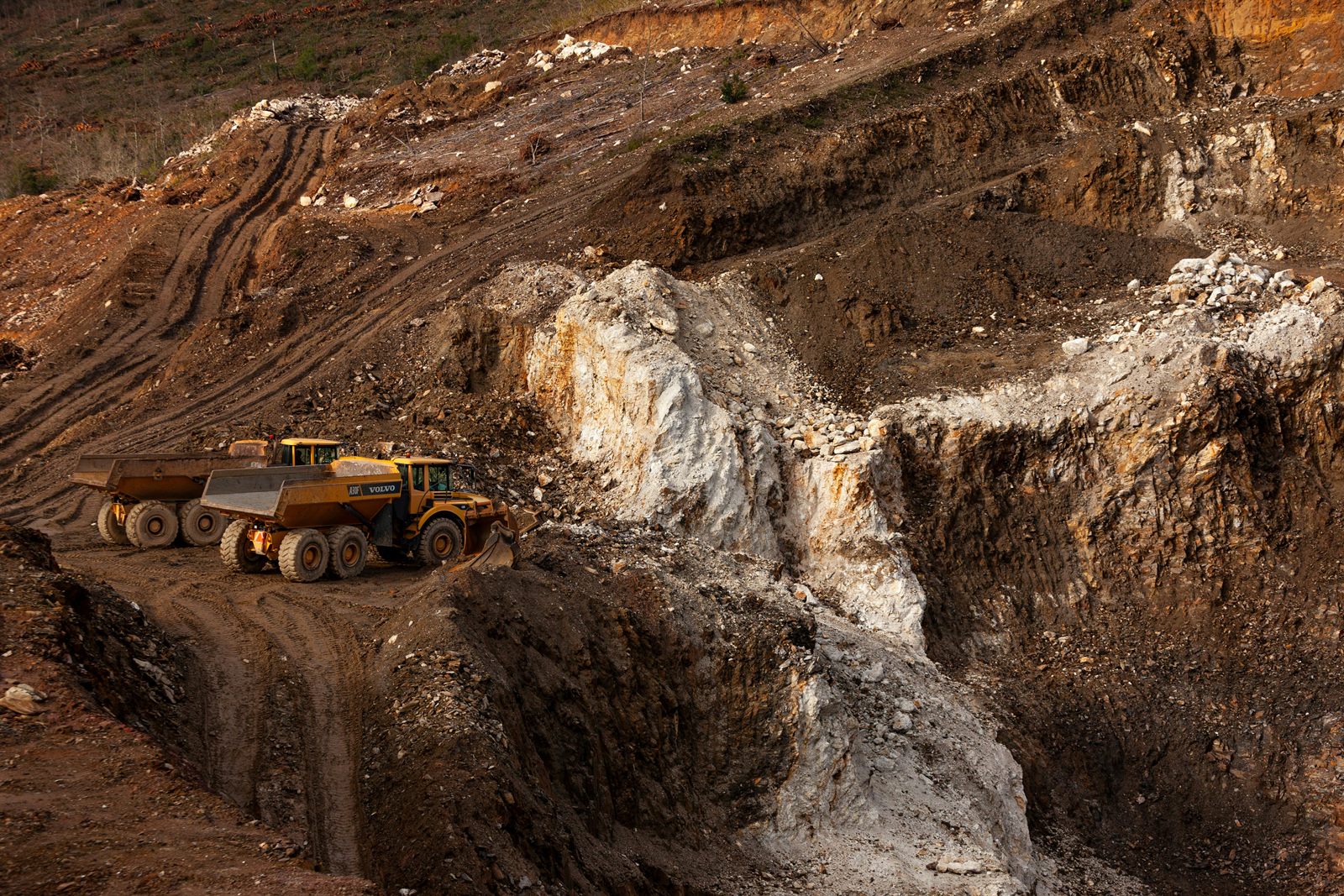
"Critical minerals" is the umbrella term for a set of metals and elements — rare earths, lithium, cobalt, graphite, and others — that are essential to technologies most people never think about: the magnets in electric motors and wind turbines, the batteries in phones and cars, the guidance systems in missiles. They are called critical not because they are rare in the ground, but because the supply can be cut off, and because so much depends on them. That combination is what makes them a geopolitical prize.
The question this forecast weighs is whether the competition to secure these minerals hardens into a defining source of conflict in the coming decade — export wars, scrambles for deposits, and pressure on producer nations. We assess this is likely, though "conflict" here means economic coercion and diplomatic friction far more than shooting wars. The reason is a rare alignment of surging demand, extreme concentration, and a supplier already willing to use its position as a lever.
What the Evidence Shows
The concentration is not in the ground but in the refining. Ore is mined in many countries, but turning it into usable material is dominated by one: China accounts for roughly 60 to 90 percent of the world's rare-earth refining, around 65 to 70 percent of lithium refining, and the majority of processing for cobalt, graphite, and manganese — even when the raw ore is dug up elsewhere. The Democratic Republic of Congo, meanwhile, produces about 70 percent of the world's mined cobalt. Control of the mine and control of the refinery are two different chokeholds, and China holds the more decisive one.
Beijing has begun using that leverage deliberately. It imposed export controls on gallium and germanium — metals used in chips and electronics — in 2023, added graphite in December 2023 and antimony in 2024, and moved to restrict the technology for extracting and processing rare earths across 2023 to 2025. None of these is a total embargo, but each is a signal: the tap can be tightened. And demand is heading sharply upward. The International Energy Agency projects that demand for key minerals could quadruple by 2040 as the world builds electric vehicles, batteries, and renewable power at scale.
"Mineral security is becoming inseparable from energy security and national security — the supply chains behind the energy transition are also strategic terrain."
— Themes drawn from IEA and CSIS critical-minerals analysis, 2024–2025Governments are scrambling to respond. The European Union's Critical Raw Materials Act (2024) sets targets for 2030 to mine, process, and recycle more minerals within Europe. The US Inflation Reduction Act attaches sourcing rules to clean-energy subsidies, encouraging "friend-shoring" — sourcing from allies rather than rivals. And the search for new supply is pushing into contested frontiers: deep-sea mining, where the International Seabed Authority is still negotiating rules and firms like The Metals Company wait to begin; plus fresh interest in the deposits of Greenland, Ukraine, and Central Asia.
"Whoever controls the refinery, not just the mine, holds the real chokehold on the modern economy."
Why This Is Happening
The energy transition is minerals-intensive. Cutting carbon means electrifying almost everything, and electric motors, batteries, and grids need far more metal than the fossil-fuel machines they replace. That turns a climate policy into a resource race: every country pursuing clean energy is also, whether it means to or not, competing for the same finite supply chains. Demand rising several-fold in fifteen years is the engine under this whole contest.
Processing dominance is a slow-to-copy advantage. Building a refinery is expensive, dirty, and takes years, and China spent decades building its lead while others outsourced the messy work. That head start cannot be erased quickly, which means dependence persists even as rivals invest — and persistent dependence is exactly what makes coercion possible. A supplier that knows it cannot be replaced soon has room to apply pressure.
Coercion invites counter-measures, and the cycle escalates. Once one power uses export controls as a tool, others respond with stockpiles, subsidies, and deals to lock up supply, which in turn raises tensions with the producer nations caught in the middle. The scramble for Congo's cobalt, Greenland's deposits, or the seabed's nodules is driven by this insecurity. Each defensive move by one side looks like encroachment to another.
What Could Happen
Export controls, stockpiling, subsidies, and hard bargaining over deposits become a routine feature of great-power relations. Friction centers on trade and diplomacy — occasional shortages, price spikes, and pressure on producer states — rather than armed conflict, but minerals are a persistent flashpoint.
Large investment in allied mining and refining, recycling, and substitute materials gradually reduces dependence on any single supplier. Tensions cool as the market spreads out, though the transition is slow and costly and never fully complete.
A severe export ban during a crisis, or a violent contest over a key producing region or the deep seabed, tips friction into open conflict. Given the stakes and the fragility of some producer states, the risk is real even if the odds in any single year are low.
What Can We Do

Mineral supply chains are invisible until they break, and then everyone feels it in the price of a car or a phone. A public that understands where these materials come from is better placed to judge the policies — and the trade-offs — meant to secure them.
Learn the refining distinction. The single most useful fact here is that dominance lies in processing, not mining. Knowing that reframes the whole debate: the goal is not just to dig more at home, but to build the refineries and recycling that break dependence — a slower, harder task than headlines suggest.
Follow the authoritative data. The International Energy Agency's Critical Minerals Outlook and the US Geological Survey's Mineral Commodity Summaries publish clear, free figures on who mines and refines what. They are a strong antidote to both alarmism and complacency.
Weigh mining's real costs honestly. More domestic and allied supply means more mines, with environmental and community impacts that are easy to wish away. Supporting responsible sourcing — and recycling, which recovers metals already in circulation — is how the transition avoids simply exporting harm.
Support fair deals with producer nations. Countries like the Democratic Republic of Congo sit atop resources the world needs but often see little benefit. Backing transparent, equitable arrangements is both a moral stance and a practical one, since exploited suppliers make for unstable supply.
- International Energy Agency — Global Critical Minerals Outlook, 2024–2025
- US Geological Survey — Mineral Commodity Summaries, 2025
- European Commission — Critical Raw Materials Act, 2024
- Benchmark Mineral Intelligence — Supply Chain Assessments, 2024
- CSIS — Critical Minerals and Supply-Chain Security, 2024
- Forecast The World Research Desk — 800+ data sources