The Question
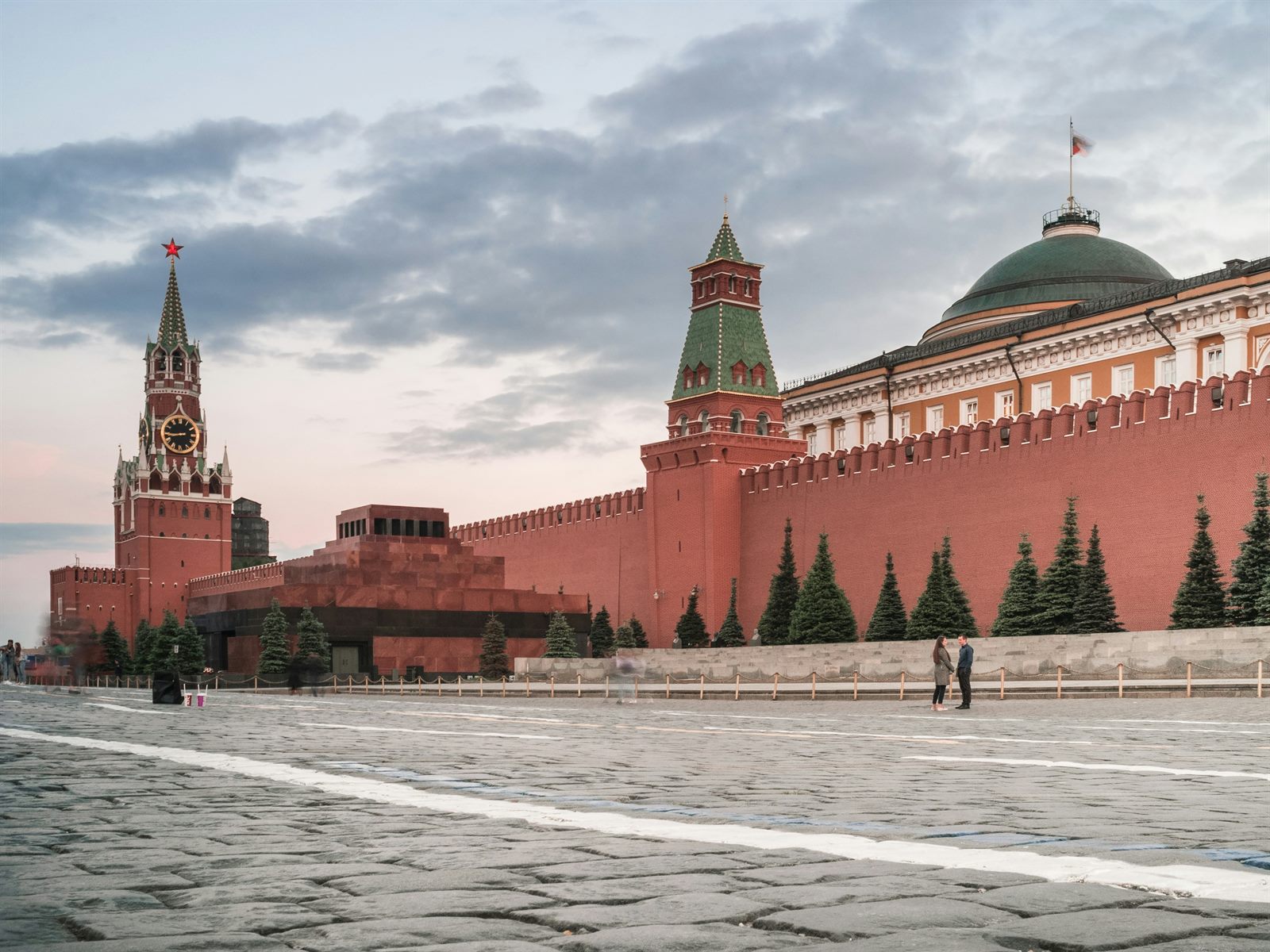
In 1989, as the Berlin Wall came down, it was fashionable to speak of history bending permanently toward liberal democracy. For roughly fifteen years that seemed broadly true: the number of democracies climbed, dictatorships fell, and elections spread across regions that had never held them. That trend has since gone into reverse. Freedom House, the organization whose annual "Freedom in the World" survey has scored countries as free, partly free, or not free for half a century, has recorded roughly eighteen to nineteen consecutive years of net decline in global freedom through 2025 — meaning that in each of those years, more countries lost rights than gained them.
The trend is not only about the number of governments but about the number of people living under them. The V-Dem Institute, a Swedish research project that tracks hundreds of indicators of democracy worldwide, finds that a clear majority of the world's population — on the order of 70% or more — now lives in autocracies. It describes a "third wave of autocratization": a broad backsliding that has returned average global democracy levels to roughly where they stood in the late 1980s. The question this forecast weighs is whether that tide keeps running one way, or whether it has neared its low-water mark.
What the Evidence Shows
Three of the most respected measures point in the same direction. Freedom House's long decline is the headline figure. The V-Dem Institute's "Democracy Report" describes the world's average citizen as living under conditions closer to the late Cold War than to the optimism of the 2000s. The Economist Intelligence Unit's Democracy Index, which scores countries on electoral process, civil liberties, and the functioning of government, shows a similar stall and slippage, with global averages drifting down rather than up. When independent projects using different methods converge, the underlying signal is hard to dismiss.
The drivers are varied but recognizable. One is "democratic backsliding" — the slow erosion of checks and balances inside countries that still hold elections, seen in the gradual concentration of power over courts, media, and electoral rules in states such as Hungary and Turkey. A second is the blunter instrument of the military coup, which has returned to parts of Africa, most visibly across the Sahel. A third is the growing appeal, to some governments, of a state-capitalist "China model" that promises order and growth without the friction of open political competition.
"The share of the world's population living in autocracies has risen sharply, marking a third wave of autocratization."
— V-Dem Institute, Democracy Report, 2025Balance matters here, and the picture is not uniformly bleak. Measurement itself is contested: experts disagree on where exactly to draw the line between a flawed democracy and a competitive autocracy, and small scoring changes can move a country across a category. There are also real counter-examples of resilience — courts that have blocked power grabs, voters who have turned out incumbents, and peaceful transfers of power in places where they were far from guaranteed. The trend is a net average, not a universal law, and averages can turn.
"The question is no longer whether democracy is receding, but whether it has found its floor."
Why This Is Happening
Backsliding is quieter and harder to resist than a coup. Modern democratic erosion rarely arrives with tanks. It comes through elected leaders who bend institutions gradually — packing courts, tilting media, and rewriting electoral rules — so that each step looks legal and no single moment triggers alarm. Because the damage accumulates slowly, opposition often mobilizes too late, which is part of why the decline has proven so persistent across so many countries at once.
Instability and insecurity make strongman promises attractive. Economic shocks, migration pressures, corruption, and the fear of disorder push some publics toward leaders who pledge control over consensus. Where governance has genuinely failed, the appeal of a decisive ruler grows — and in the Sahel and elsewhere, coups have been met with resignation or even relief rather than resistance, lowering the political cost of seizing power.
A confident authoritarian model now competes for prestige. During the 1990s, democracy carried an aura of inevitability and success. Today an alternative advertises itself: a state-capitalist system that delivers growth and stability while tightly limiting political rights. Its example gives backsliding leaders cover and a template, and weakens the sense that liberal democracy is the only road to a modern, prosperous society.
What Could Happen
The net decline flattens rather than reverses, with scattered gains offset by continued backsliding. Authoritarian and hybrid governments remain a majority of the world's people and a large share of its states, while democracies hold on in their strongholds without regaining lost ground.
Courts, elections, and civic movements roll back several high-profile backsliders; economic strain discredits some authoritarian promises; and a fresh wave of democratization in a few large states shifts the global balance back toward open government.
Backsliding spreads into major democracies once thought secure, coups multiply, and the authoritarian model gains decisive prestige, pushing the world well past its late-1980s democracy levels toward a broadly unfree order.
What Can We Do
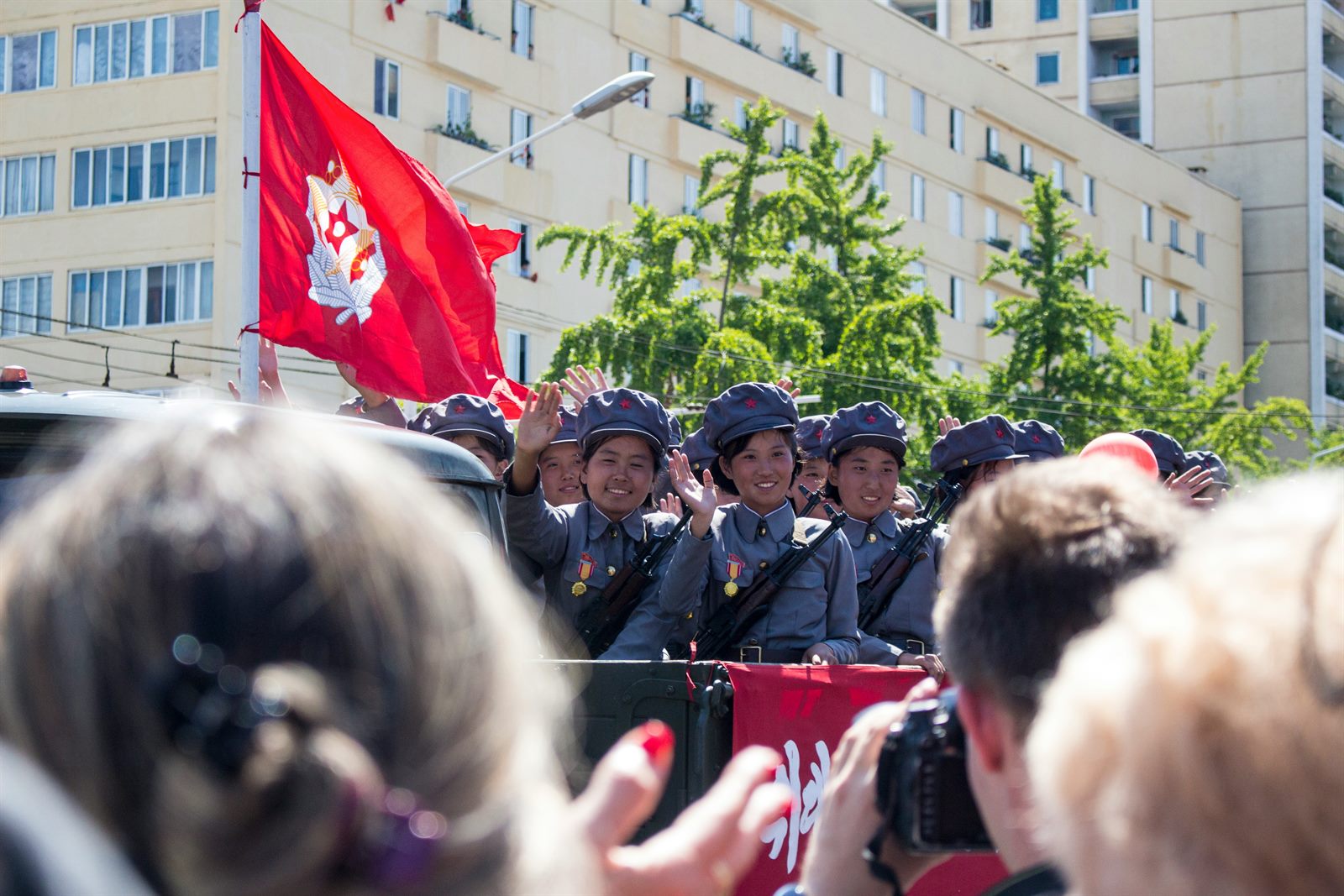
Trends in global freedom can feel like weather — vast, distant, and beyond any individual's control. But democracy is unusual among systems in that it is rebuilt, or lost, largely through ordinary participation, which makes the abstract surprisingly personal.
Learn to read the indices, not just the headlines. Freedom House, V-Dem, and the Democracy Index each measure something specific, and understanding what "backsliding" or "hybrid regime" actually means helps you tell genuine erosion from ordinary political turbulence. Informed citizens are harder to mislead about the health of their own institutions.
Guard the unglamorous checks. Independent courts, free press, and honest election administration are what backsliding targets first, precisely because they are dull and easy to weaken quietly. Supporting them — through attention, funding, and votes — defends democracy at the exact point where it is usually lost.
Value peaceful transfers of power. The single clearest sign of a healthy democracy is that losers accept results and winners hand power back when their time ends. Treating that norm as sacred, and rewarding leaders who honor it, protects the one mechanism that separates democracies from their imitations.
Notice resilience, not only decline. The trend is real, but so are the countries that have reversed it. Studying what worked — the courts that held, the movements that mobilized in time — offers a usable template, and keeps the story from curdling into fatalism that itself becomes self-fulfilling.
- Freedom House — Freedom in the World, 2025
- V-Dem Institute — Democracy Report, 2025
- Economist Intelligence Unit — Democracy Index, 2025
- International IDEA — Global State of Democracy, 2024
- Carnegie Endowment for International Peace — Democracy Research, 2024
- Forecast The World Research Desk — 800+ data sources