The Question
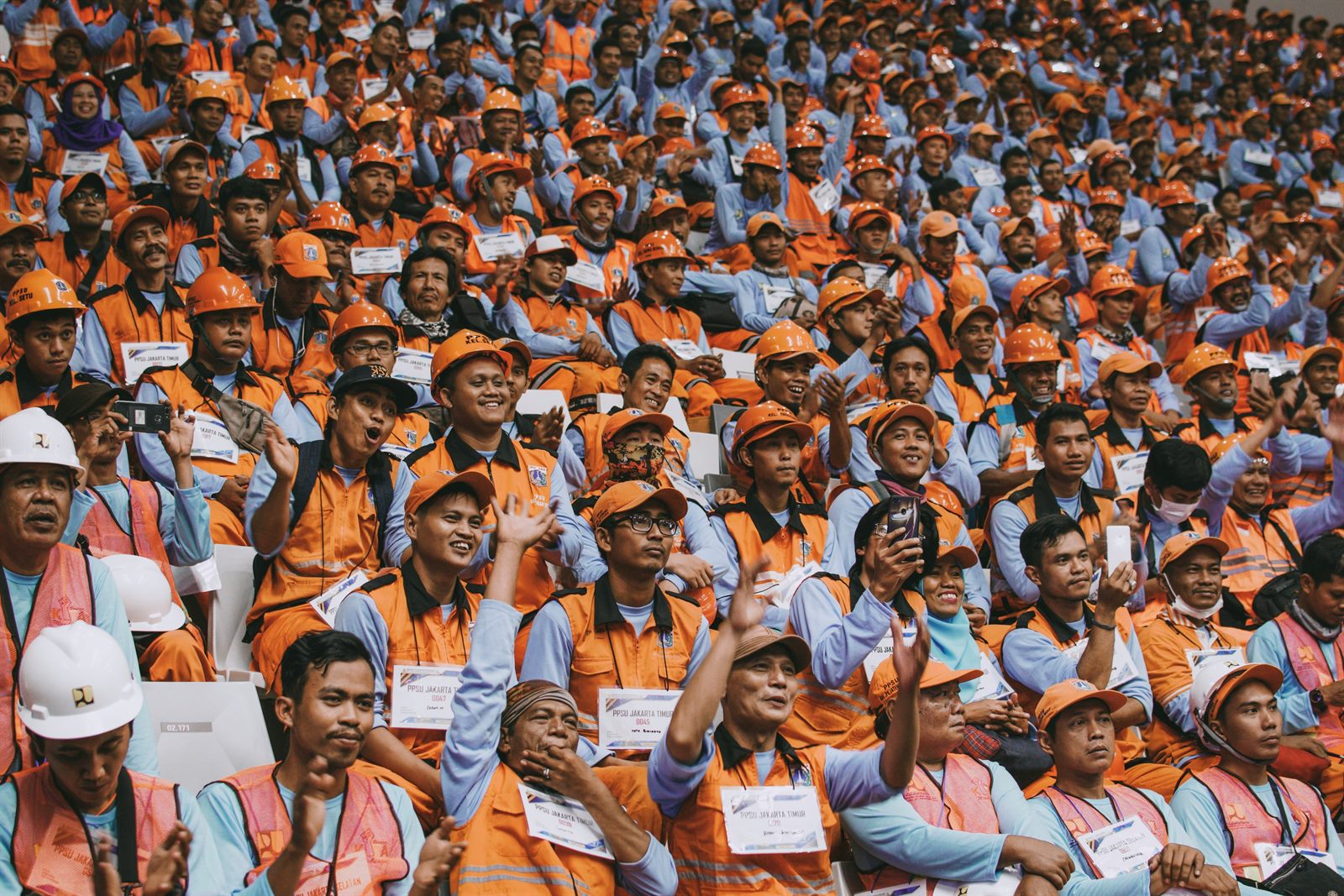
In 2021, workers at a Buffalo Starbucks voted to unionize. It was a small store. About two dozen employees. But it triggered a wave. Within two years, over 350 Starbucks locations had voted to organize — an extraordinary number for a company that had successfully resisted unionization for decades. Around the same time, Amazon warehouse workers on Staten Island voted yes to a union. Writers in Hollywood went on strike for five months. Actors joined them. Autoworkers won their biggest contract gains in decades after a targeted strike strategy that none of the major car companies had seen coming.
Something shifted. After forty years of declining union membership — from roughly 35% of American workers in the 1950s to around 10% today — organized labor is back in the news. The question is whether this is a genuine reversal of a long structural decline, or a burst of activity that will fade once economic conditions stabilize and corporations find their footing again.
What the Evidence Shows
U.S. union membership has been falling steadily since the early 1980s. In 1983, about 20% of workers were union members. By 2023, that figure had dropped to 10%, the lowest on record. In private sector jobs — the vast majority of American employment — the rate is closer to 6%. These numbers are stark. But they do not capture a surge in organizing activity that does not yet show up in membership rates.
The National Labor Relations Board (NLRB) — the federal agency that oversees union elections — reported a 53% increase in union election petitions in 2022 compared to the prior year. That was the highest single-year jump in decades. Approval rates for union elections also hit a record high: workers who voted on organizing won about 76% of elections in 2023. Public support for unions is at its highest level since 1965, according to Gallup — with 67% of Americans saying they approve of unions. Among adults under 35, that figure is closer to 75%.
"Public approval of unions is now at its highest point in nearly sixty years — and for the first time in a generation, young workers are leading the organizing drives, not following them."
— Gallup — Work and Education Survey, 2023The sectors driving this new wave are notable. Service workers at coffee chains, fast food restaurants, and retail stores. Tech workers at video game companies, digital media outlets, and even at major names like Apple retail. Gig workers — Uber drivers, DoorDash couriers, freelance professionals — are increasingly exploring collective bargaining models adapted for non-traditional employment. This is not your grandparent's union movement. It is younger, more digital, and less concentrated in manufacturing.
"The workers most likely to organize next are the ones who have never worked a job that offered them a safety net."
Why This Is Happening
A generation shaped by economic precarity. Workers who entered the labor market during or after the 2008 financial crisis grew up watching wages stagnate, student debt balloon, and housing costs outpace income. They experienced firsthand what it means to be economically vulnerable without institutional protection. For this cohort, the traditional argument against unions — that they are relics of a manufacturing past — carries less weight than the lived reality of working multiple gig jobs without benefits or job security.
Social media changed the organizing calculus. Historically, union campaigns required slow, quiet organizing to avoid employer retaliation before a majority was secured. Social media inverted this. Young workers share workplace grievances publicly, build solidarity across locations they have never visited, and apply reputational pressure on companies before any formal vote. The Starbucks campaign was partly won online before it was won in any ballot box.
The pandemic exposed the real balance of power. When COVID-19 hit, millions of workers discovered they were "essential" in rhetoric and expendable in practice. They were required to show up, often without adequate protection, while corporate profits recovered quickly and executive compensation continued to grow. That experience was radicalizing for workers who might otherwise have accepted the status quo.
What Could Happen
The current organizing wave continues to build. Gig economy legislation in several states forces platforms to reclassify workers, opening the door to collective bargaining at scale. Service sector and tech unions consolidate gains. By 2031, U.S. private sector union membership climbs from roughly 6% toward 10–12% — still far below historical peaks, but a genuine reversal of the long decline. Wages in organized sectors outpace inflation consistently. The political influence of labor recovers alongside membership numbers.
Union election activity remains high but membership growth stays slow. Legal delays, employer campaigns against organizing, and the difficulty of converting election wins into effective contracts blunt the momentum. Major companies pour resources into union avoidance strategies. Some high-profile campaigns — like at Amazon — struggle to negotiate first contracts, demoralizing organizers elsewhere. The wave generates headlines but not paychecks. By 2031, membership is up modestly but well short of 1990s levels.
A wave of automation in warehousing, food service, and transportation reduces the workforce in the very sectors where organizing has gained the most traction. Companies facing union drives accelerate investment in robotics and AI-assisted labor management. Workers who organized find their contracts expire and their roles eliminated. The labor movement finds itself representing a shrinking portion of a shrinking sector, unable to build the density it needs to influence wages economy-wide.
What Can We Do

Whether you are a worker, a consumer, or a citizen trying to understand where wages are heading, the labor movement's trajectory affects you directly.
Know your legal rights at work. The National Labor Relations Act protects most private-sector workers' right to discuss wages, organize collectively, and take action to improve working conditions. Many employers do not volunteer this information. Knowing your rights is the first step — the NLRB website (nlrb.gov) has plain-language guides.
If you are interested in organizing, start with conversations. Most successful union campaigns begin with one-on-one conversations between coworkers — not a mass meeting or a formal vote. Labor organizers call this "mapping the workplace." Understanding who your colleagues trust, what they care about, and what frustrations they share is how organizing actually begins.
Pay attention to gig worker legislation in your state. The legal status of platform workers — whether they are employees or independent contractors — is the most consequential labor question of the next decade. California, New York, and several European countries have pushed for reclassification. If similar legislation appears on a ballot in your state, it will directly affect wages and benefits for millions of workers.
As a consumer, your choices have leverage. During high-profile labor disputes, consumer boycotts and social media pressure have moved companies. During the Starbucks organizing wave, customer support for unionizing workers was a documented factor in how management responded. Knowing which companies are in active labor disputes is freely available through the NLRB's public filings.
Support organizations building new labor models. Groups like the Freelancers Union, the Gig Workers Collective, and various sector-specific worker centers are developing collective bargaining structures for workers who do not fit traditional union models. If the future of work is increasingly non-traditional, the future of labor organizing will need to be too.
- Bureau of Labor Statistics — Union Members Summary, 2024
- National Labor Relations Board — Annual Report on Union Election Petitions, 2023
- Gallup — Work and Education Survey, 2023
- Economic Policy Institute — "The State of American Unions" — EPI, 2024
- Harvard Labor and Worklife Program — Gig Worker Organizing Report, 2023
- Forecast The World Research Desk — 800+ data sources