The Question
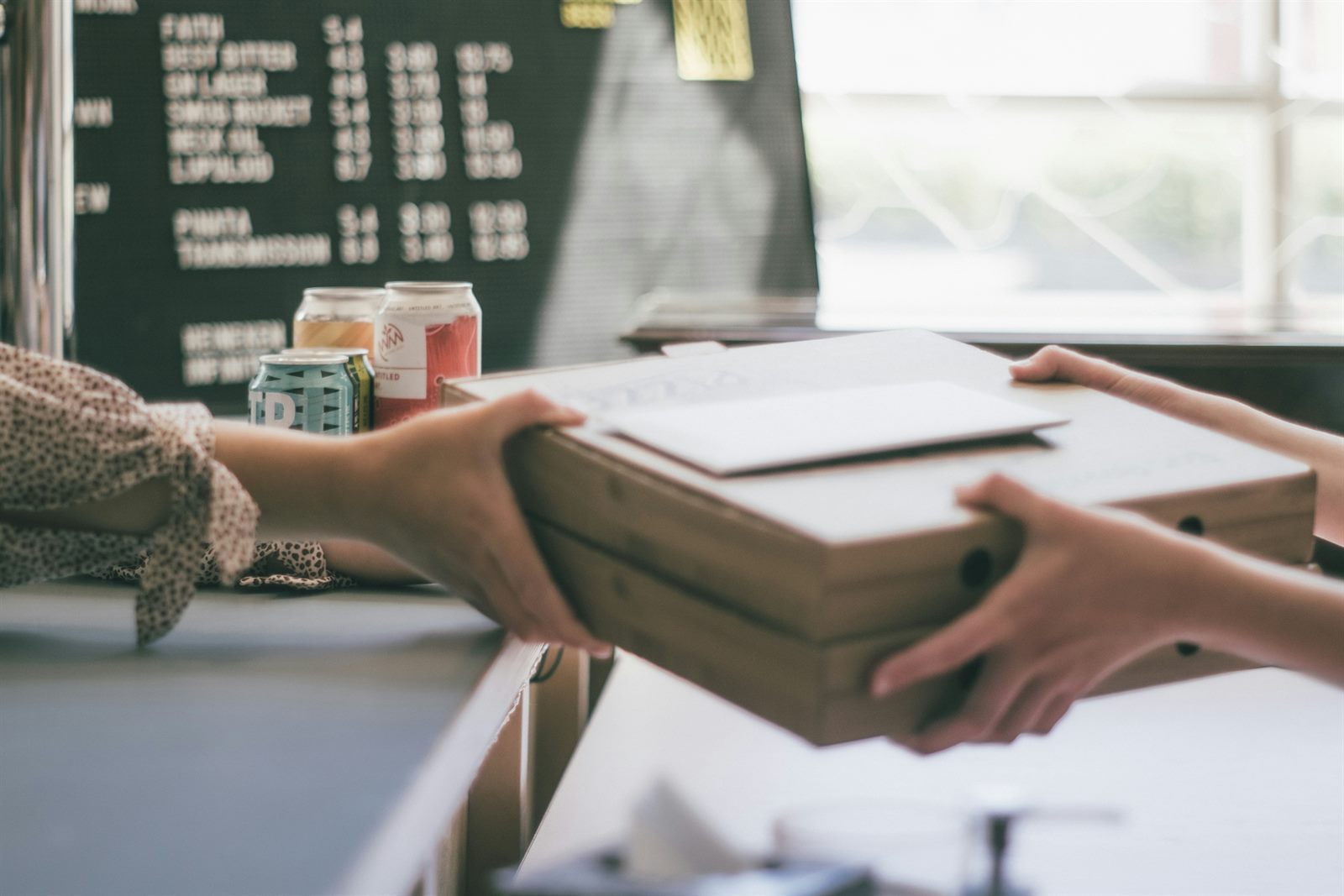
Walk down the main street of almost any American town and you will see the evidence. Empty storefronts where clothing boutiques used to be. A shuttered electronics shop. The former toy store that is now a nail salon. Retail has been hollowed out, and Amazon is the most visible cause. It offers more products, lower prices, and faster delivery than any independent retailer can match. It has warehouses near major population centres, a logistics network that rivals UPS and FedEx, and a technology infrastructure worth hundreds of billions of dollars. No small business can compete with that.
And yet. Independent bookshops have grown in number for eight consecutive years, reversing a decade of closures. Farmers' markets are at record attendance levels. Locally owned coffee shops are opening faster than chains in some markets. Something is happening that the simple "Amazon kills retail" narrative does not fully capture. The question is whether what is happening is large enough, durable enough, and strategically sound enough to sustain a meaningful small business sector through 2032 — or whether it is a sentimental niche that will ultimately be outcompeted.
What the Evidence Shows
Amazon now captures roughly 40% of all US e-commerce spending and around 6% of total retail spending. That is enormous. But it also means 94% of retail still happens elsewhere. The picture is not one of Amazon taking everything — it is one of Amazon dominating certain categories (electronics, books, household goods, apparel) while others remain largely untouched (food and beverage, personal services, experiences, specialty goods with strong community identity). The businesses in trouble are those that compete directly with Amazon's strengths. The businesses that are thriving are those that do not try.
Research from the American Independent Business Alliance found that for every $100 spent at a locally owned business, approximately $68 recirculates in the local economy, compared with $43 for a national chain and far less for an online-only retailer. Communities are beginning to understand this — and some are acting on it. "Buy local" campaigns in cities like Portland, Austin, and Asheville have measurably shifted consumer behaviour. Post-pandemic, surveys consistently show that Americans place higher value on local community and authentic experience than they did five years ago.
"The small businesses that are thriving are not fighting Amazon. They are offering something Amazon cannot algorithmically manufacture: a reason to show up."
— American Independent Business Alliance — "Local Business Economic Impact Study", 2024The independent bookshop revival is the clearest case study. Bookshops that survived the Amazon era did so not by competing on price — they cannot — but by becoming community hubs: hosting author events, curating idiosyncratic selections, offering staff recommendations that feel personal rather than algorithmic, and creating spaces where readers gather. The product is technically the same book. The experience is completely different. And a growing segment of consumers is willing to pay more for the experience.
"You cannot out-Amazon Amazon. The businesses that know this are the ones still standing."
Why This Is Happening
Algorithmic commerce has created a hunger for the non-algorithmic. When every recommendation comes from a machine that has analysed your purchase history, the curation of a knowledgeable human — a bookseller, a cheesemonger, a record shop owner who actually listens to music — feels rare and valuable. Amazon is extraordinarily good at giving you what it predicts you want. It is structurally incapable of surprising you in the way a great independent shop can.
The pandemic permanently shifted some consumer preferences. Years of reduced social interaction created a latent demand for places that feel like community. Neighbourhood businesses — coffee shops, bakeries, independent gyms, local markets — fill a social need that no website can replicate. Spending money locally became, for many people, a way of investing in the fabric of their community. That feeling has proved more durable than most analysts expected.
Small businesses are getting smarter about the fight they are in. The independent retailers that are failing in 2026 are largely those still trying to compete on Amazon's terms: price, breadth of inventory, and delivery speed. Those that are surviving have stopped doing that. They carry less stock but know it more deeply. They charge more but justify the premium. They create loyalty programs, host events, and build relationships that platforms cannot replicate at scale.
What Could Happen
By 2032, a meaningful tier of small businesses has successfully differentiated on experience, community, and authenticity. They are fewer in number than twenty years ago, but the survivors are robust. They occupy a distinct market position that large platforms cannot easily replicate. "Local" becomes a genuine premium category — like organic food — that commands higher prices and loyal customers. The businesses that could not or would not make the pivot are gone, replaced by a smaller but more resilient independent sector.
Amazon — which already operates physical bookstores, grocery chains, and pharmacies — accelerates its move into experiential retail. It uses its data advantages to simulate local authenticity at scale: curating local inventory, hosting events, training staff to provide "community" service. The differentiation that small businesses relied upon gets commoditised. This scenario is technically possible and economically logical for Amazon, but requires a level of cultural authenticity that has proved difficult to manufacture — as the tepid reception of Amazon's physical stores suggests.
Sustained regulatory action — in the US, EU, or both — meaningfully constrains Amazon's ability to leverage its platform data, subsidise its retail arm through cloud profits, or preference its own products in search results. Combined with local business support policy, this creates a more even competitive environment. Small businesses gain a window to compete on price as well as experience. Given the pace of antitrust proceedings and the lobbying resources Amazon commands, meaningful intervention before 2032 seems unlikely — but the political appetite for it is growing.
What Can We Do
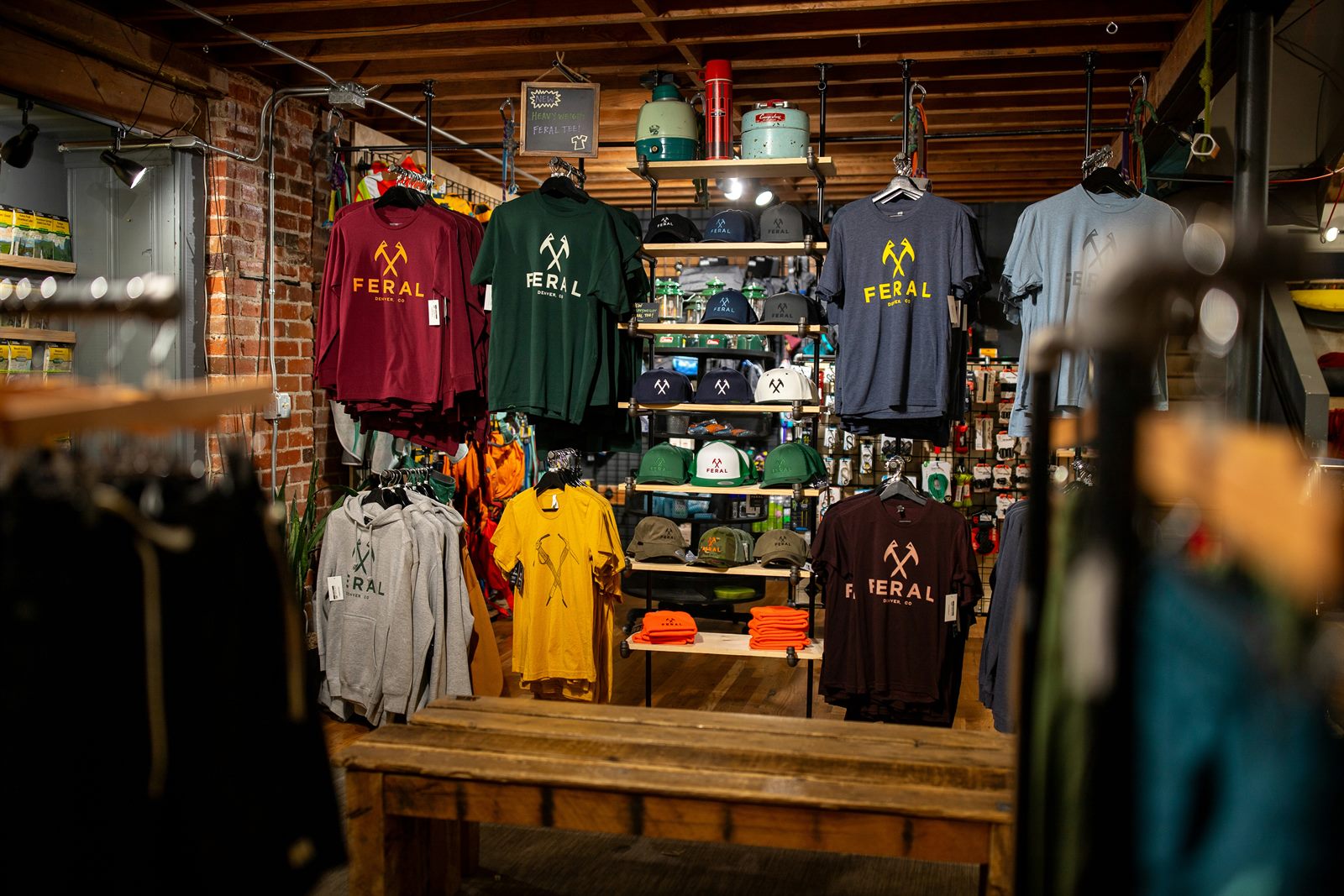
Whether you are a small business owner trying to survive or a consumer who cares about the character of your community, the choices you make in the next few years will matter.
If you own a small business: stop competing on Amazon's terms. You will lose. Price, breadth, and delivery speed are categories where you are permanently outgunned. Compete instead on depth of knowledge, personal relationships, community events, unique curation, and the simple fact that your business has a face and a story. Those are things a warehouse algorithm cannot have.
Build community, not just a customer list. The independent businesses that are thriving treat their customers as members of something — a community of people with shared tastes, values, or interests. Events, newsletters with genuine personality, loyalty that feels personal rather than transactional: these are the tools. A customer who feels like a member is far harder to lose to Amazon than a customer who merely shops with you.
As a consumer, spend with intention. Where you spend money is a vote for the kind of community you want to live in. Choosing a local bookshop over Amazon for a gift, or a neighbourhood coffee shop over a chain, is not just a personal preference — it is a small act of community investment. The aggregate of those choices determines whether your high street has character or a row of vacant units.
Support local business policy. Zoning laws, business rate relief, preferential procurement for local suppliers by local governments, and antitrust enforcement all shape the competitive environment. These are political decisions that communities make collectively. Engaging with them — voting, advocating, attending council meetings — is part of keeping a viable local economy alive.
Recognise what you are actually buying. When you shop locally, you are not just buying a product. You are buying the expertise of someone who knows their stock deeply, the experience of a space designed for humans rather than logistics efficiency, and a relationship with a business that knows your name. That is worth something. Knowing it is worth something is the first step to paying for it.
- American Independent Business Alliance — "Local Business Economic Impact Study" — AMIBA, 2024
- American Booksellers Association — "Independent Bookstore Growth Report" — ABA, 2025
- eMarketer — "US Ecommerce Market Share by Retailer" — eMarketer, 2025
- McKinsey & Company — "The State of Consumer Behaviour Post-Pandemic" — McKinsey, 2024
- Institute for Local Self-Reliance — "Amazon's Monopoly" Report — ILSR, 2024
- Forecast The World Research Desk — 800+ data sources