The Question
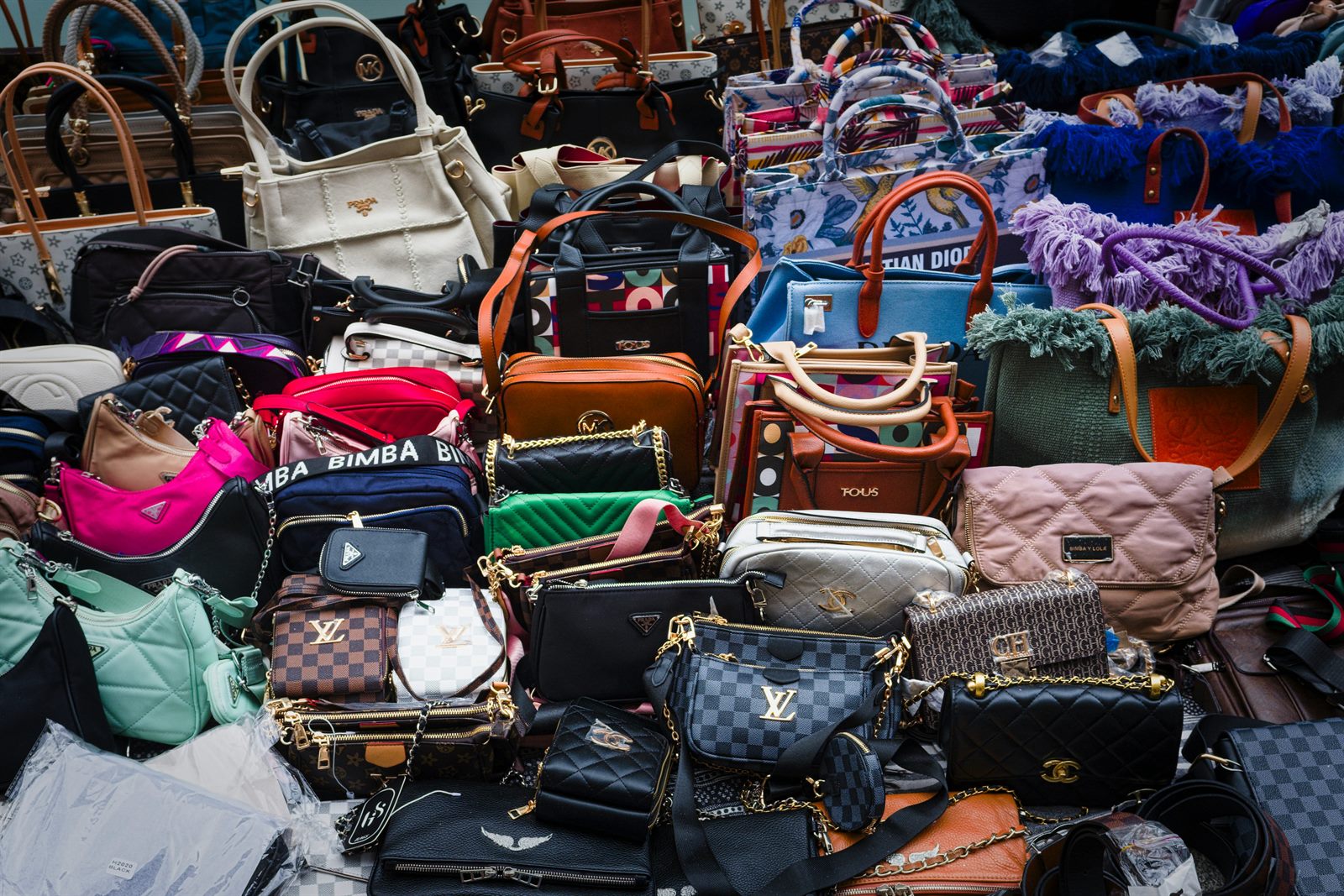
Search "Stanley dupe" on TikTok and you will find thousands of videos. Creators hold up a $12 tumbler from Amazon next to the famous $45 Stanley quencher and dare you to spot the difference. The comments are enthusiastic. People tag their friends. The dupe video gets more views than the original brand's own content. This is dupe culture — and it has moved well beyond tumblers.
Skincare, handbags, sneakers, sunglasses, perfume, home decor, kitchen appliances. In every category where a premium brand has established cultural cachet, a parallel market of near-identical alternatives has sprung up — and a generation of shoppers is not only aware of it but openly celebrates it. The question is whether this represents a lasting structural shift in how luxury brands derive their value, or whether it is a trend that will moderate as economic conditions change and the novelty wears off.
What the Evidence Shows
The hashtag #dupe has been viewed billions of times on TikTok. A 2024 survey by NielsenIQ found that 70% of consumers across age groups had purchased a dupe in the past year — and that number jumped to 84% among shoppers aged 18 to 34. The same survey found that 59% of consumers said they felt proud, not embarrassed, about finding a good dupe. That is a cultural inversion from even a decade ago, when buying a knockoff carried a clear stigma. Something has changed in how people think about brand value.
The numbers behind the shift are significant. The global counterfeit and dupe goods market — which spans everything from legal "inspired by" products to outright fakes — is estimated at over $500 billion annually. But the more interesting story is in the legal dupe market: products that are openly sold as affordable alternatives without infringing trademarks. Retailers like e.l.f. Cosmetics have built billion-dollar businesses almost entirely on the dupe model, recreating high-end beauty formulas at drugstore prices. Amazon's own private-label brands regularly top search results for product types where a recognizable premium brand dominates.
"Seventy percent of consumers purchased a dupe product in the past twelve months — and the majority felt good about it. The stigma is gone."
— NielsenIQ — Dupe Economy Consumer Report, 2024Luxury brands are already responding. LVMH, which owns Louis Vuitton and Dior among others, has significantly increased its legal budget for intellectual property enforcement. Chanel has filed suits against multiple manufacturers of "inspired by" products. But the legal tools available to luxury brands are limited — you cannot trademark a silhouette or a color combination, only specific logos and design elements. The gap between what luxury brands can protect and what dupe manufacturers can copy remains wide.
"When a generation decides that paying twenty times more for a logo is irrational, the luxury business model does not just face competition — it faces a values referendum."
Why This Is Happening
Social media destroyed the information asymmetry that luxury relied on. Luxury brand power historically depended partly on consumers not knowing what things actually cost to make. A $500 face cream and a $15 drugstore moisturizer often share many of the same active ingredients. A $300 designer candle and a $20 equivalent may use the same wax and similar fragrance compounds. TikTok, Reddit, and YouTube have made this kind of ingredient-level, side-by-side analysis mainstream. When consumers can watch a dermatologist explain that a $12 serum has the same retinol concentration as a $180 luxury version, the premium becomes much harder to justify on functional grounds alone.
Wealth inequality has made luxury aspiration feel hollow. Luxury brands traditionally sold aspiration — the idea that their products were within reach if you worked hard enough, saved up, treated yourself. For a generation facing student debt, housing unaffordability, and stagnant real wages, that aspiration has curdled into something closer to resentment. Choosing a dupe is not just about saving money — for many young shoppers, it is an explicit rejection of the idea that a brand's status is worth their financial sacrifice. It is a statement.
Global manufacturing has compressed quality gaps. The same factories in China, Vietnam, and Bangladesh that produce goods for luxury brands also supply manufacturers of affordable alternatives. The quality differential between a $400 handbag and a $40 version has narrowed considerably as manufacturing technology and quality control have improved globally. Consumers who buy a dupe and find it genuinely comparable in quality are not wrong — in many cases, the craftsmanship gap is smaller than the price gap by a factor of ten or more.
What Could Happen
By 2030, seeking affordable alternatives before buying any branded product is simply how most consumers under 40 shop. The behavior is so normalized that major retailers build dupe-discovery into their search interfaces. Luxury brands respond by doubling down on experiences, exclusivity, and craftsmanship storytelling that genuinely cannot be replicated — limited editions, bespoke services, heritage narratives. The mass-market tier of luxury (the $200–$600 "accessible luxury" segment) faces the most severe pressure and contracts significantly. True ultra-luxury remains resilient because its buyers are not shopping for value.
A cohort of luxury brands successfully pivots their marketing from product quality to values alignment — sustainability, craftsmanship, fair labor, cultural heritage. They win back consumers who are skeptical of dupes not on quality grounds but on ethical ones: the dupe is made in the same factory under the same conditions, whereas the luxury brand can credibly point to higher wages and lower environmental impact. This reframing works for a portion of the market. Dupe culture persists but does not expand beyond its current demographic footprint.
Lobbying from luxury conglomerates results in expanded intellectual property protections that make it significantly harder to produce and market "inspired by" products. Platform liability rules force TikTok, Instagram, and Amazon to de-platform dupe content and sellers. The legal dupe market shrinks. This outcome is technically possible but requires a significant political investment from the luxury sector and runs against the general direction of consumer rights advocacy. The more likely regulatory trend is in the opposite direction.
What Can We Do
Whether you are a consumer navigating this landscape, a brand trying to survive it, or simply someone trying to understand where consumer culture is heading, there are concrete takeaways here.
As a consumer, know what you are actually paying for. Before any premium purchase, it is worth spending ten minutes understanding what the functional ingredients or materials are, whether comparable alternatives exist, and what portion of the price is for the object versus the brand. This is not an argument against ever buying luxury — it is an argument for buying it consciously, for the reasons that matter to you personally, not because you assumed there was no alternative.
Understand the legal distinction between dupes and counterfeits. A dupe is a product that is inspired by or similar to a branded item but does not use that brand's logos, trademarks, or trade dress. A counterfeit copies those protected elements and is illegal. Buying a dupe is lawful. Buying a fake Louis Vuitton bag — one with the actual LV logo — is purchasing counterfeit goods, which carries legal risk and funds criminal networks. The line matters.
If you work in branding or marketing, take the values dimension seriously. Consumers who choose dupes are not just being cheap — a significant portion of them are making a statement about what they value. Brands that respond only by suing manufacturers or dismissing dupe culture as a fad are misreading the signal. The brands winning back dupe-prone consumers are doing so through genuine transparency, credible sustainability claims, and product differentiation that goes beyond the logo.
Watch the "accessible luxury" segment closely. If you invest in consumer goods companies or follow retail trends professionally, the $200–$600 price tier is the most exposed to dupe pressure. Track market share data in beauty, accessories, and home goods in this price range — the signal of structural disruption will appear there first, before it reaches ultra-luxury or mass market.
Consider what you actually want from a purchase. For some products, a dupe is genuinely the rational choice — functionally identical, dramatically cheaper. For others, the original has qualities that matter: durability, repairability, resale value, or the intangible satisfaction of owning something you truly chose. Dupe culture at its best is not about always buying cheap — it is about buying deliberately.
- NielsenIQ — Dupe Economy Consumer Report, 2024
- Bain & Company — Global Luxury Study, 2024
- ThredUp / GlobalData — Consumer Sentiment on Brand Value, 2023
- OECD — Trade in Counterfeit and Pirated Goods Report, 2023
- Morning Consult — Gen Z Consumer Identity Survey, 2024
- Forecast The World Research Desk — 800+ data sources