The Question
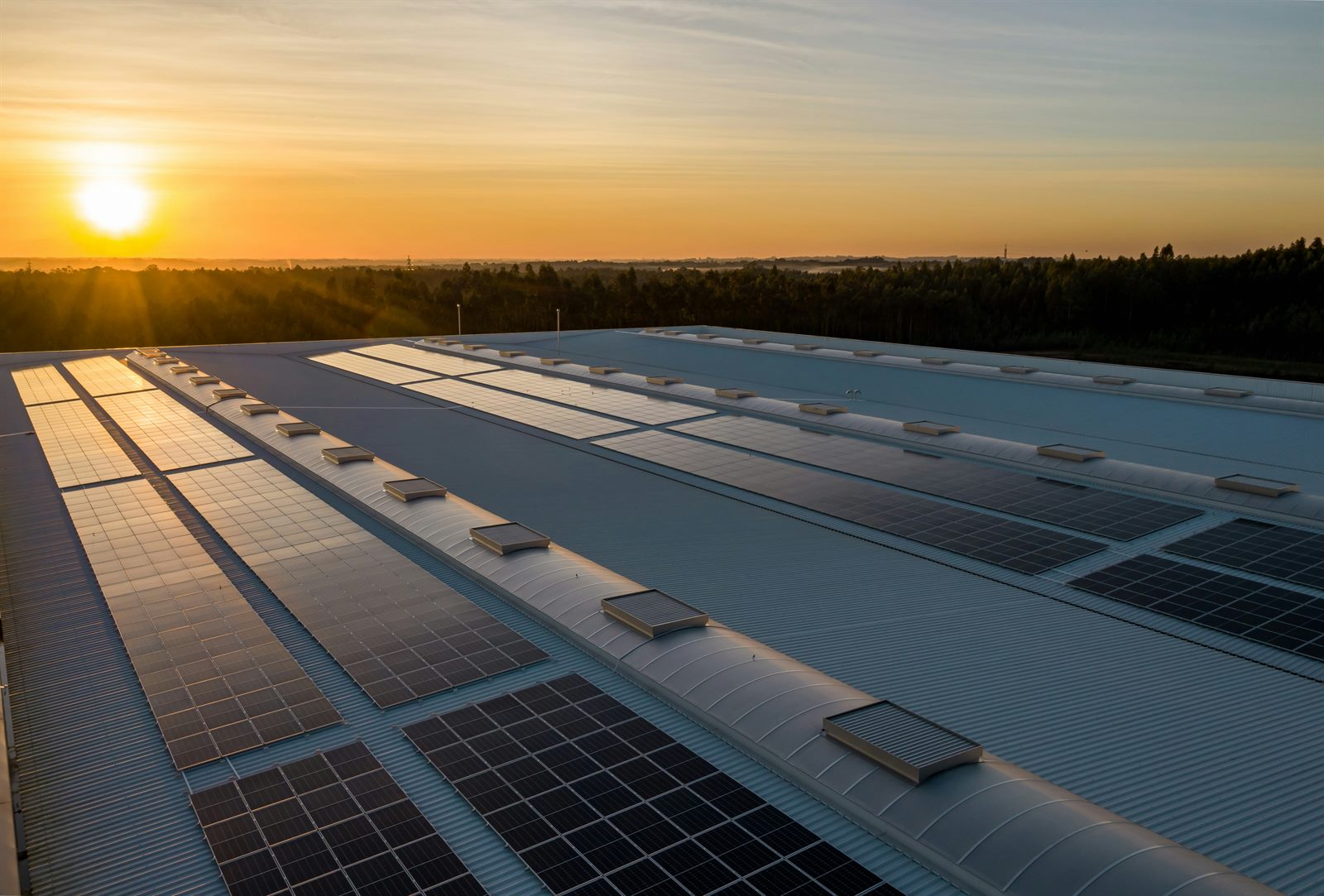
Every civilization is built on its cheapest energy. Wood built villages. Coal built factories. Oil built suburbs and airlines. Each time the cheapest energy changed, daily life changed with it — what we ate, where we lived, what jobs existed. Now the crown is changing hands again, and this time the winner falls from the sky for free every morning.
The question is no longer whether solar wins on price. In sunny countries it already produces electricity cheaper than any fuel ever burned. The question is what happens next — to your bills, your car, your water, your food — when energy stops being scarce and starts behaving like something closer to sunlight itself: abundant at certain hours, in certain places, for anyone with the hardware to catch it.
What the Evidence Shows
The numbers behave like electronics, not like fuel. Since around 2010, the price of a solar module has fallen roughly 90 percent. The pattern even has a name — Swanson's law: every time the world doubles its total production of solar panels, the price drops by about a fifth. It has held for four decades because a panel is a manufactured object, like a TV screen, and manufactured objects get cheaper with scale — while coal, gas, and oil must be found, dug up, and burned forever. In 2020, the International Energy Agency, historically a cautious voice, declared solar in the best locations "the cheapest source of electricity in history." Prices have fallen further since.
China's factories did the scaling: the country now manufactures the overwhelming majority of the world's panels, at volumes that have crushed prices for every buyer on Earth. And the same curve is now devouring solar's great weakness — the dark. Lithium battery packs have fallen in price by roughly 90 percent since 2010, which is why giant grid batteries that were novelties five years ago are now standard equipment in California and Texas, soaking up cheap midday power and releasing it at dusk. Sunny grids already experience hours of negative prices — moments when there is so much solar that producers pay others to take the electricity. Think about that: the market price of energy, the thing empires fought over, dipping below zero on a Tuesday afternoon.
"We keep analyzing solar as if it were a power plant. It is not. It is a technology on a learning curve, and no fuel in history has ever beaten a learning curve. The fuels stay the same price forever, at best. The panel gets cheaper every single year. This race was over before most people knew it had started."
— Global Energy Transitions Review — "The Last Cheap Fuel," 2025The obstacles are real but revealing: they are traffic jams, not dead ends. In the US and Europe, thousands of ready-to-build solar and battery projects sit in years-long queues waiting for permission to connect to aging grids. Trade barriers on Chinese panels raise prices in some countries. Mining enough lithium, copper, and silicon takes investment. Notice what is not on this list — physics, cost, or capability. Everything slowing solar down is paperwork, politics, or logistics. Those things yield. They always have.
"For all of human history, energy was the thing we could never have enough of. What happens to a civilization the first time the answer is 'take as much as you want — it's noon'?"
Why This Is Happening
Factories beat mines, permanently. A fuel-based system pays for its energy source every day forever. A solar system pays once, up front, then harvests free input for thirty years. As manufacturing scales, that up-front cost keeps shrinking — so every year, the gap between "energy you build" and "energy you burn" widens. This is not a subsidy story anymore; it is an industrial physics story.
Batteries turn cheap noon into cheap always. Solar's famous flaw is the "duck curve" — a glut of power at midday, nothing at night, which strains grids at sunset. Falling battery prices are flattening the duck. Storage shifts the noon surplus into the evening peak, and each year the affordable storage window stretches longer. Sometime in the early 2030s, "solar plus a day of storage" undercuts running existing fossil plants in most of the sunny world — not just building new ones.
Cheap energy is a feedstock, not just a bill. The midday surplus is spawning industries designed to eat it: desalination plants that turn seawater fresh when power is nearly free, green hydrogen made by splitting water, indoor farms, and carbon-removal machines that only make sense with dirt-cheap electricity. Sun-rich countries — Morocco, Australia, Chile, the Gulf states — are positioning to become the new energy exporters, shipping sunshine as hydrogen, ammonia, and energy-hungry products.
What Could Happen
The learning curves keep grinding. Across most of the world's population, building new solar with batteries becomes cheaper than merely fueling existing coal and gas plants. Your daytime electricity becomes the cheapest energy your family has ever bought; utilities pay you to charge cars and heat water at noon. Grids, not panels, become the bottleneck — and the biggest infrastructure spending story of the decade.
Sunny, fast-permitting countries hit energy abundance years early and attract energy-hungry industry — data centers, fertilizer, metals — while regions with clogged grid queues, panel tariffs, and slow permitting stay stuck with expensive power into the late 2030s. Cheap energy becomes a competitive weapon, and the map of industrial power quietly redraws itself around sunshine.
Mineral shortages, trade wars fragmenting the panel market, and a decade of underbuilt grids slow the curve enough that solar is merely the cheapest new power — not cheaper than everything, everywhere. The destination doesn't change, but the arrival slips toward 2040, and the abundance industries wait with it.
What Can We Do
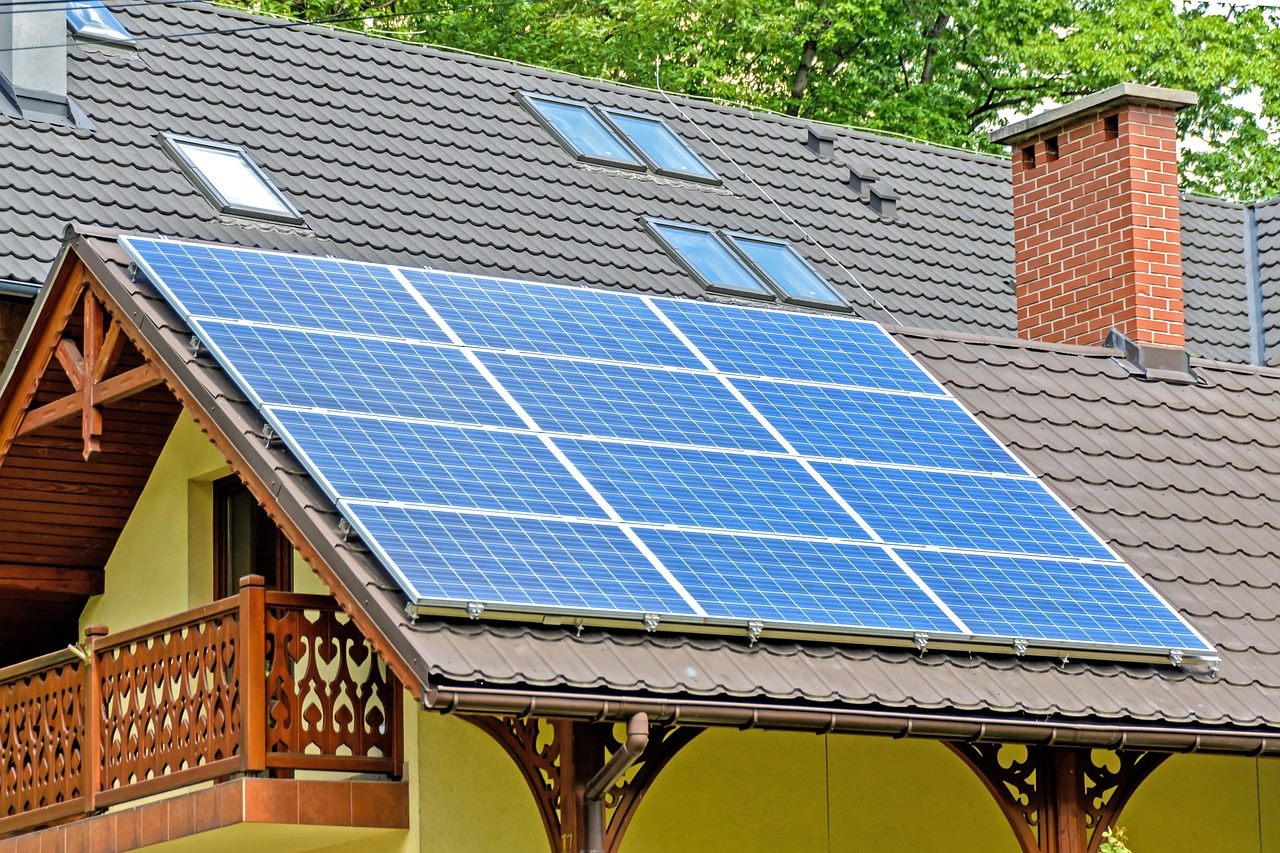
Energy abundance will not arrive as a single headline. It will arrive as a widening gap between people positioned to use cheap noon power and people still paying evening prices for everything. Positioning is something you can do now.
Shift your life toward the sun's schedule. If your utility offers time-of-use pricing, take it, and move the big loads — car charging, laundry, water heating, pre-cooling the house — into the midday trough. In sunny grids, daytime power is already the cheapest energy you will ever buy, and the discount grows every year.
Run the rooftop numbers again, even if they failed before. Solar-plus-battery quotes from five years ago are obsolete. Payback periods have collapsed in most sunny regions, and a home battery increasingly doubles as blackout insurance in a era of strained grids and heat waves.
Electrify on replacement day. Every gas appliance you replace with an efficient electric one — heat pump, induction stove, EV — is a bet that electricity keeps getting cheaper while fuels do not. The evidence says that is the right side of the bet for the next thirty years.
Point careers and investments at the bottleneck. The scarce thing in an age of cheap panels is everything around them: grid engineers, electricians, storage projects, transmission builders, and the industries that feast on midday surplus. Abundance always pays best at its choke point.
- International Energy Agency — World Energy Outlook, 2020–2025
- BloombergNEF — Lithium-Ion Battery Price Survey, 2025
- International Renewable Energy Agency — Renewable Power Generation Costs Report, 2025
- Lawrence Berkeley National Laboratory — US Grid Interconnection Queue Analysis, 2025
- Global Energy Transitions Review — "The Last Cheap Fuel," 2025
- Forecast The World Research Desk — 800+ data sources