The Question
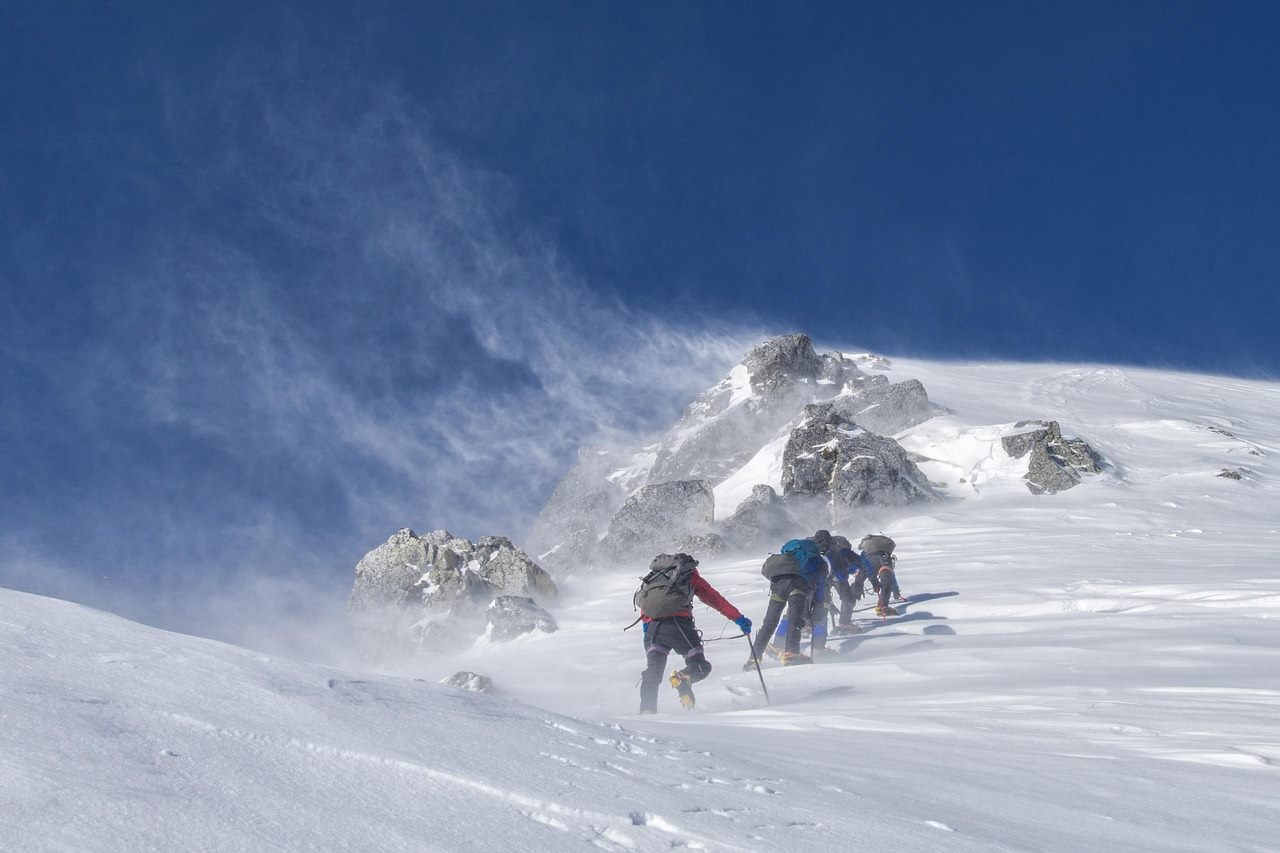
In the summer of 2023, workers in the French village of La Sambuy did something that would have sounded absurd to their grandparents: they took the ski lift apart and sold it. The snow no longer came often enough to pay for it. A few valleys away, Saint-Firmin had already done the same. These are not remote outposts — they sit in the Alps, the mountain range where modern downhill skiing was invented, in villages that taught the world to slide down mountains for joy.
Now picture your family ski trip in 2035. The question is whether it still exists in the form you remember — an affordable week on real snow at a village resort — or whether it has become what a safari is today: expensive, high-altitude, and increasingly artificial, while the old villages below sell hiking, spas, and the memory of winter. The mountains are answering that question one warm January at a time.
What the Evidence Shows
The Alps are warming at roughly double the global average — mountains amplify climate change because retreating snow exposes dark ground that absorbs more heat, melting more snow in turn. Alpine snow-cover duration has already shrunk by around a month compared with the 1970s, according to long-term monitoring studies. The 2023 New Year heat wave made the future visible: temperatures above 20°C in January valleys, slopes across France, Switzerland, and Austria closed at the peak of the season, and webcam images of green, grassy pistes circling the world. Scientific surveys now project that at 2°C of global warming, over half of Europe's ski resorts face critical snow scarcity.
The industry's answer has been to manufacture winter. Artificial snow now covers most pistes in Italy and large shares in Austria and Switzerland. But snowmaking is not magic — it is a treadmill. Snow cannons need sub-zero air, enormous volumes of water, and expensive energy. As winters warm, the cold windows for making snow shrink exactly when more snow is needed, and below roughly 1,500 meters of altitude the arithmetic eventually fails: too few freezing hours, too much melt. Even the giants feel it — Zermatt, which once offered year-round glacier skiing, has repeatedly closed its summer runs as the ice retreats. Dozens of low-lying resorts across France, Switzerland, and Germany have already shut, and researchers have catalogued hundreds of abandoned lifts rusting on green hillsides.
"Every ski resort below fifteen hundred meters is now running a countdown clock, and snowmaking does not stop the clock — it just makes the final years more expensive. The village that cannot admit this will spend its last decade's budget watering slopes that end in grass."
— Alpine Climate & Tourism Quarterly — "After the Snow Line," 2025Meanwhile the map of winners is redrawing itself. High-altitude French and Swiss mega-resorts are absorbing displaced skiers and raising prices. Scandinavia, colder and further north, is marketing itself as the continent's snow insurance. And in a twist that would make an alpine pioneer weep, some of the fastest-growing "ski" destinations are indoor halls — refrigerated buildings with artificial slopes — including one of the world's largest near Shanghai and a growing number in lowland Europe, where snow is now something you visit the way you visit an aquarium.
"The villages that taught the world to ski may end this century selling tickets to see snow — the way zoos sell tickets to see tigers."
Why This Is Happening
Altitude is destiny, and most historic resorts were built low. Skiing began in villages, not on peaks — people built lifts from where they lived. But every degree of warming pushes the reliable snow line hundreds of meters uphill, straight past the villages that invented the sport. The resorts with a future are the high, purpose-built stations of the 1960s; the ones with a past are the original wooden-chalet villages below them.
The economics fail before the snow fully disappears. A resort does not close the year snow stops falling; it closes years earlier, when insurance, snowmaking energy, water rights, and lift maintenance cost more than shortened seasons earn. Banks have already begun refusing loans for lift upgrades at low-altitude stations. Capital retreats faster than snow does.
The customer is changing too. Ski holidays are expensive, and families burned by green Christmases book differently — later, shorter, higher, or not at all. Tour operators now sell "snow guarantees" and flexible cancellation, funneling demand to the highest, most reliable resorts. That concentration enriches a few giants, consolidates the industry, and quietly starves everyone below the snow line.
What Could Happen
The retreat continues resort by resort: lifts dismantled, seasons shortened to holiday weeks, then abandoned. Survivors pivot to year-round mountain tourism — hiking, mountain biking, wellness spas, alpine coasters — where summer revenue already outearns winter for many. Skiing consolidates into high-altitude fortresses and indoor halls; the average family trip gets pricier, higher, and shorter.
Regional governments, protecting mountain economies and identity, subsidize snowmaking, water reservoirs, and lift companies the way they once subsidized coal mines. A run of cold winters — natural variability still allows them — buys borrowed time. The endpoint is the same, but the cultural landing is softer and slower.
Dramatically cheaper renewable energy makes snowmaking affordable even in marginal winters, water-efficient snow technology matures, and warming at altitude tracks the low end of projections. Most mid-altitude resorts survive to mid-century. This requires the optimistic edge of both the climate models and the engineering — a real possibility, but the thin one.
What Can We Do
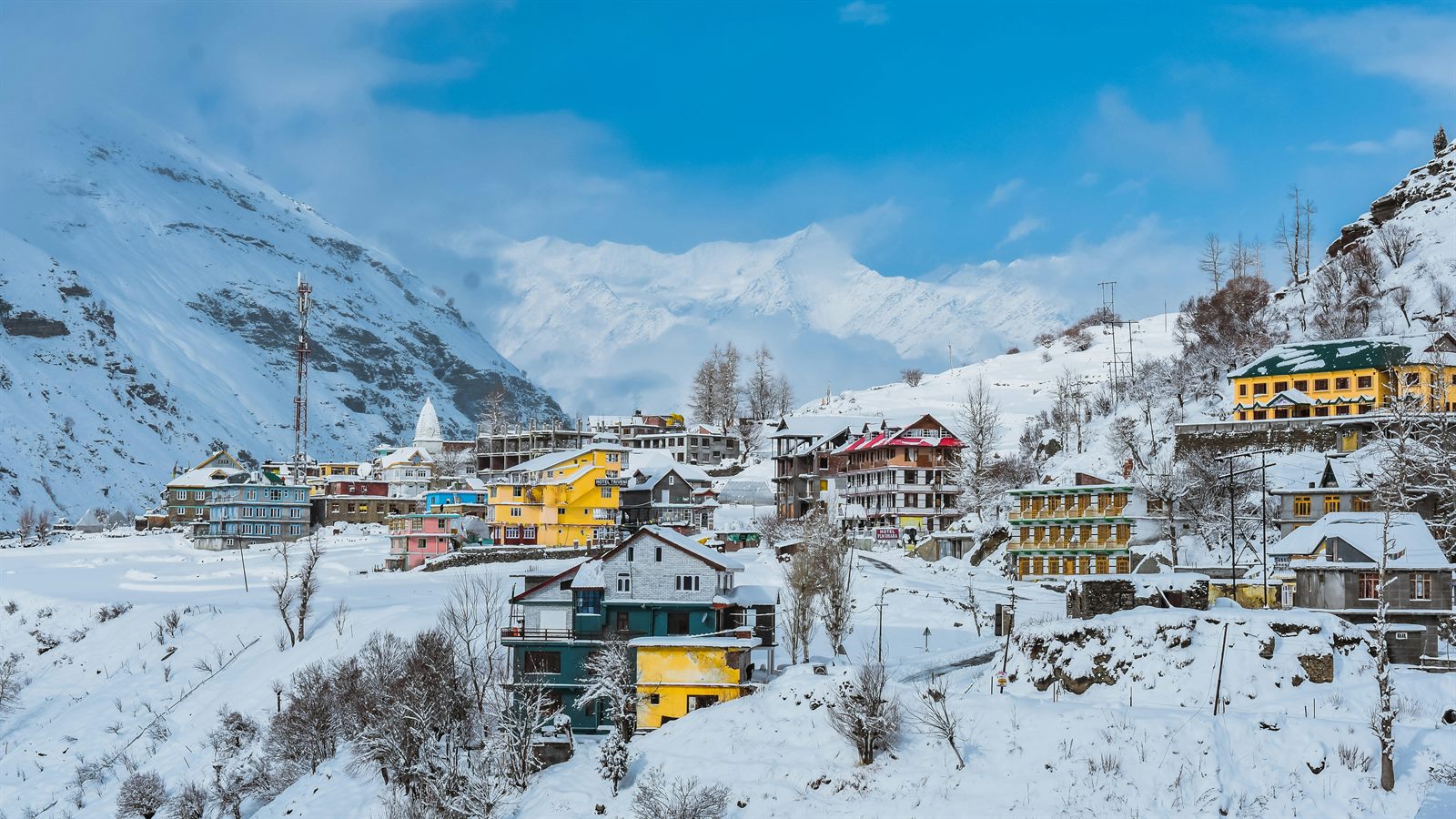
You cannot refreeze the Alps. But as a traveler, a resident, or simply someone who loves winter, you can adapt faster than the brochures do — and help the mountain villages land somewhere good.
Book altitude, not nostalgia. If reliable snow matters to your trip, check a resort's altitude before its charm: the key numbers are the village height and the top lift height, and above roughly 1,800 to 2,000 meters your odds improve dramatically. Buy flexible or snow-guaranteed packages and treat January like the new February.
Discover the shoulder-season mountains. The same warming that ruins ski weeks is stretching gorgeous hiking and biking seasons from April to November. Converted resorts offer alpine scenery at half the winter price — visiting them in summer is also the single most direct way to fund a village's transition.
If you love skiing, go deliberately and soon — and go cleanly. The classic village-resort experience is a closing exhibition. Take the train rather than flying where possible: transport, not the lifts, is the largest slice of a ski trip's climate footprint, and rail links to the Alps are excellent.
Treat mountain property and businesses with cold-eyed math. Before buying a chalet or investing near a resort, check its altitude, its snowmaking water rights, and its summer revenue share. A resort earning half its income outside winter is adapting; one betting everything on cannons below 1,500 meters is a countdown clock with a gift shop.
- Nature Climate Change — "Snow Scarcity Risk for European Ski Resorts Under 2°C Warming," 2023
- European Environment Agency — Alpine Snow Cover and Temperature Trends Report, 2025
- MeteoSwiss — Long-Term Alpine Snow Season Monitoring, 1970–2024
- University of Grenoble — Inventory of Abandoned Ski Lift Infrastructure in France, 2024
- Alpine Climate & Tourism Quarterly — "After the Snow Line," 2025
- Forecast The World Research Desk — 800+ data sources