The Question
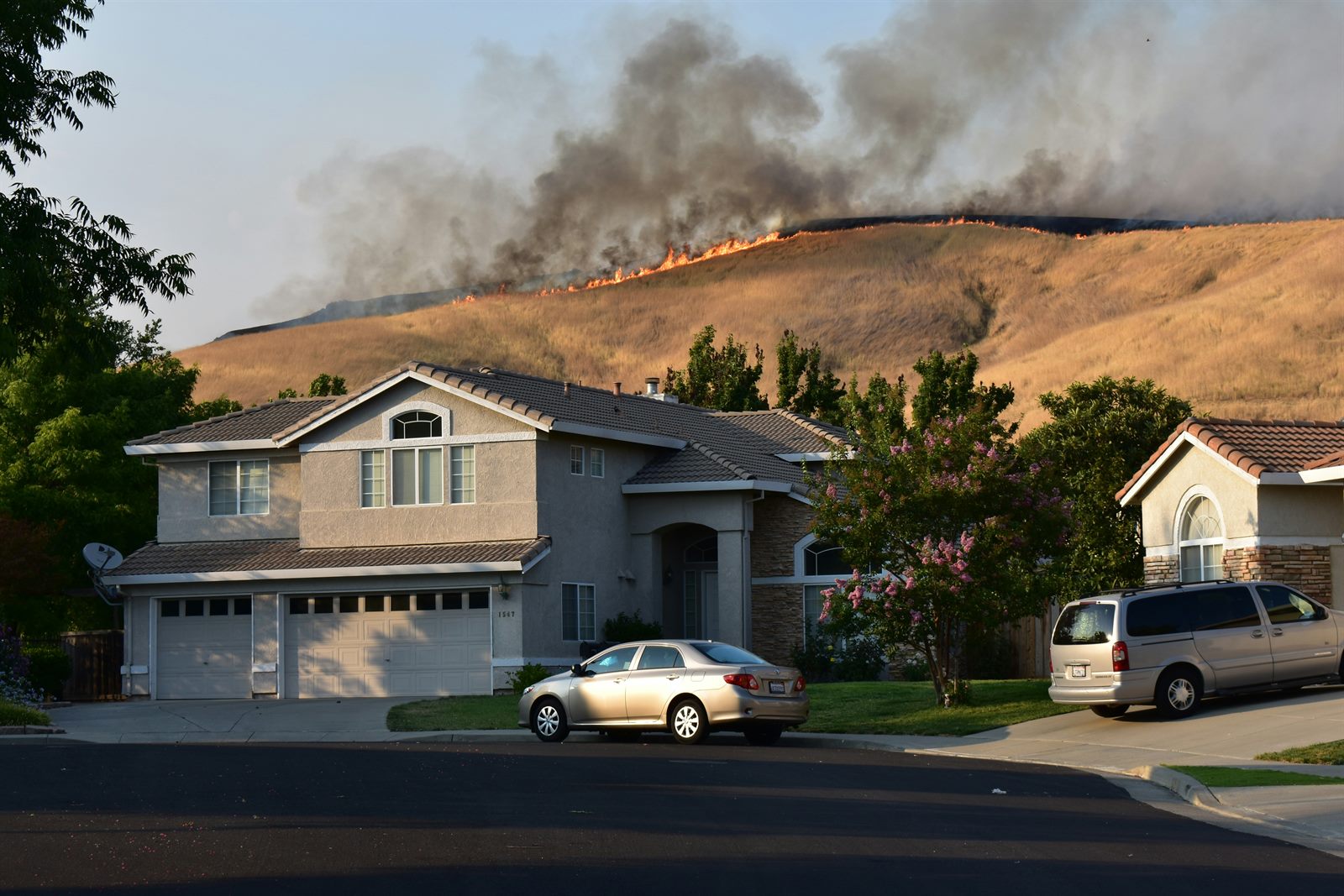
The letter arrives on a Tuesday. It is polite, formal, and devastating: your insurer will not renew your home policy. Not because you filed a claim. Not because you missed a payment. Because a computer model looked at your street and decided the fire risk, or the flood risk, or the hail risk, no longer pencils out. You call five other companies. Two quote triple your old premium. Three won't quote at all.
This letter has already landed in millions of American mailboxes, mostly in Florida and California. The question that decides your financial future is whether those two states are exceptions — or previews. Insurance is the quiet plumbing of home ownership: no insurance means no mortgage, and no mortgage means far fewer buyers for your house. If the plumbing fails in ten states instead of two, the largest asset most families own starts leaking value.
What the Evidence Shows
Start with California. In 2023, State Farm — the state's largest home insurer — stopped accepting new homeowner applications entirely, citing wildfire exposure and construction costs. Allstate had quietly done the same. Farmers capped new policies. In Florida, the story is further along: more than a dozen insurers have gone insolvent or fled the state since 2020, and Citizens Property Insurance — the state-run "insurer of last resort," meant to be a small safety net — swelled at its peak to well over a million policies, making the government itself Florida's biggest home insurer.
Behind the retreat sits a global machine most homeowners have never heard of: reinsurance, the insurance that insurance companies buy to survive catastrophes. After years of record wildfires, hurricanes, and billion-dollar hailstorms, reinsurers raised their prices dramatically — in some catastrophe-exposed markets by 30 to 50 percent in a single renewal season. Those costs roll straight downhill onto your premium. In high-risk zip codes across the Gulf Coast and the West, premiums have roughly doubled in five years. And the risk maps keep expanding: Louisiana has had its own insurer exodus, Texas and Oklahoma are absorbing repeated hail and wind catastrophes, and Colorado's fire-scarred foothills are watching carriers tighten fast.
"Insurance is priced one year at a time, which makes it the first financial product that must tell the truth about climate change annually. Mortgages look thirty years ahead and still assume yesterday's weather. When those two views collide, the insurance view wins — and it is winning right now, zip code by zip code."
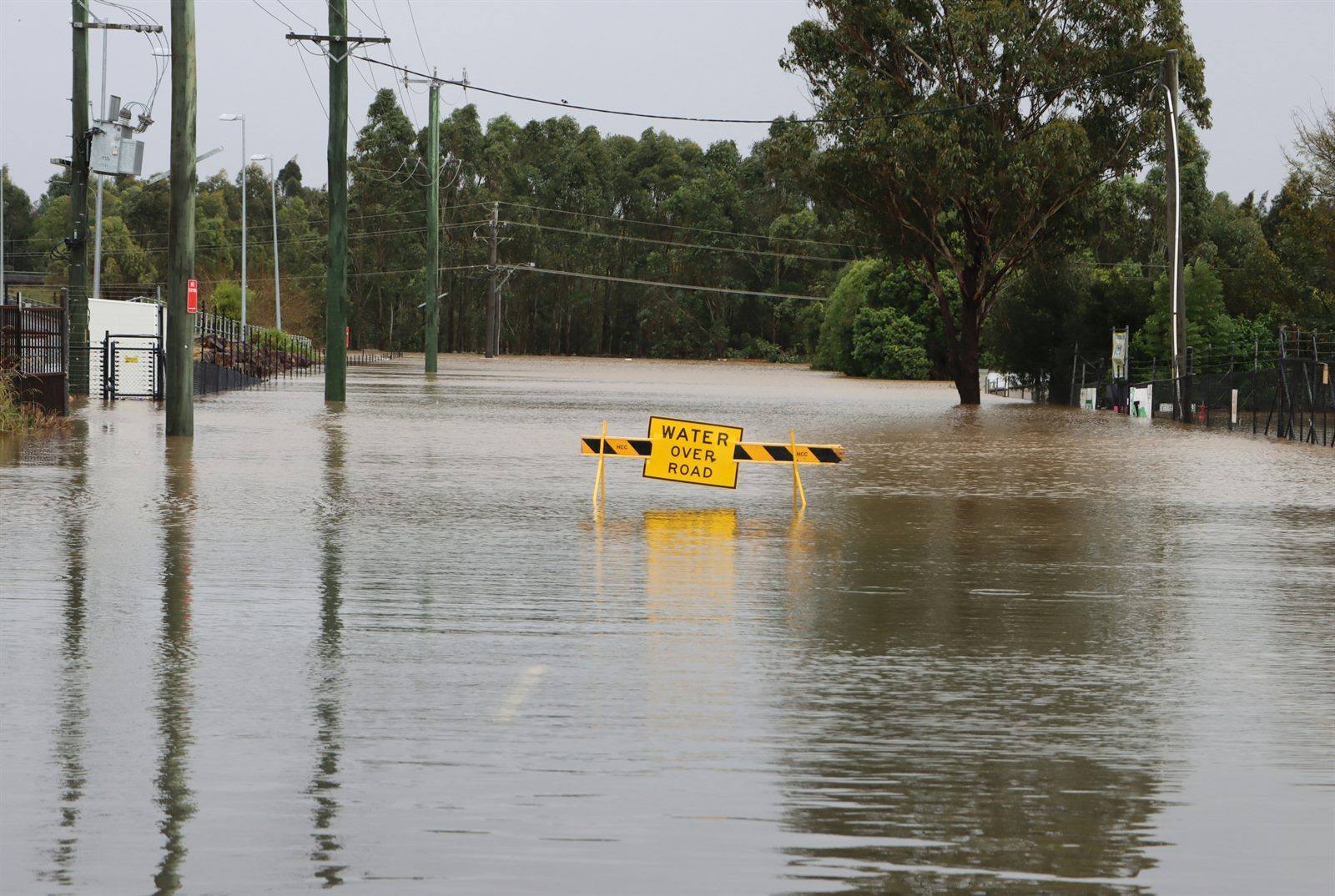
— Journal of Catastrophe Risk & Resilience — "Repricing the American Home," 2025Then there is the gap nobody talks about at closing: flood. Standard home policies exclude it. Most flood cover comes from FEMA's National Flood Insurance Program, and most Americans in flood-prone areas carry none at all — which is why, after major hurricanes, the majority of flood damage is uninsured. As rainfall records fall in places that never considered themselves flood country, millions of families are exposed without knowing it. The market is not failing randomly. It is failing precisely where the climate models said it would.
"Insurers are the first market to price climate change honestly. They are telling us, in dollars, which homes have a future."
Why This Is Happening
Disasters are getting more expensive, faster than premiums can legally rise. The United States now averages more than twenty separate billion-dollar weather disasters a year, a count that has climbed decade after decade in NOAA's tally. In many states, regulators cap how fast insurers can raise prices. When the true cost of risk rises faster than the allowed price, companies don't argue — they leave. California's crisis is partly a climate story and partly a story of prices frozen below reality until the dam broke.
Reinsurance is global, so a bad year anywhere raises your bill everywhere. The same reinsurers backstop Florida hurricanes, European floods, and Australian fires. A string of global catastrophe years drained their appetite for risk, and their new prices flow into every American premium. Your rate can jump because of a flood on another continent. That is the hidden transmission line connecting the planet's weather to your escrow account.
The mortgage system quietly amplifies everything. Banks require insurance on every mortgaged home. When cover becomes unavailable, buyers can't get loans, sellers can't find buyers, and prices sag. Falling prices then shrink the tax base that funds fire departments and levees, making the underlying risk worse. Economists call this a doom loop; homeowners in parts of Florida call it their neighborhood.
What Could Happen
Louisiana, Texas, Colorado, Oklahoma, and parts of the Carolinas, Oregon, and the Mountain West follow Florida and California into some mix of insurer withdrawal, doubled premiums, and swollen state-run backstops. Coverage survives almost everywhere, but in high-risk zones it becomes a luxury good — thin policies, huge deductibles, state plans of last resort. Home values in the riskiest areas stagnate or fall while safer inland markets absorb the demand.
After one catastrophic season overwhelms several state plans at once, Washington steps in with a national catastrophe reinsurance program, the way it once did for flood and terrorism risk. Premiums stabilize, but taxpayers everywhere quietly subsidize homes in the riskiest places, and the hard price signal telling people where not to build gets muffled for another generation.
Fire-hardened homes, stronger roofs, community-scale defenses, and precise parcel-level risk pricing let insurers return to markets they fled, the way Alabama's fortified-roof program cut premiums on the Gulf. This is happening in pockets and it genuinely works — but retrofitting tens of millions of homes takes decades, and the climate is not waiting.
What Can We Do
You cannot vote a hurricane away, but you can stop being the easiest house on the street to drop. Insurers are watching risk at the level of your individual roof — which means your choices genuinely move your premium and your insurability.
Check your risk before you buy or renew. Free tools like FEMA flood maps and First Street's risk scores show fire, flood, wind, and heat exposure for any US address. Read them the way insurers do — before you commit thirty years of your money to a property, not after.
Harden the house and demand the discount. A fortified roof, ember-resistant vents, cleared brush, storm shutters, and a sealed roof deck can cut both damage and premiums; several states mandate discounts for certified upgrades. Documented mitigation is increasingly the difference between renewal and a non-renewal letter.
Close the flood gap. If water can plausibly reach you — and rainfall records suggest it can in more places every year — price a flood policy through the National Flood Insurance Program or a private carrier. It is the single most commonly missing piece of household protection in America.
Treat insurability as a factor in every housing decision. Ask sellers for their current premium and claims history. Get an insurance quote before you make an offer, not during closing. A home you cannot affordably insure is a home you may one day be unable to sell — and the market is starting to price that truth in.
- NOAA National Centers for Environmental Information — Billion-Dollar Weather and Climate Disasters, 2025
- California Department of Insurance — Market Withdrawal Filings, 2023–2025
- Florida Office of Insurance Regulation — Citizens Property Insurance Policy Count Reports, 2024
- Swiss Re Institute — Global Catastrophe and Reinsurance Pricing Review, 2025
- Journal of Catastrophe Risk & Resilience — "Repricing the American Home," 2025
- Forecast The World Research Desk — 800+ data sources