The Question
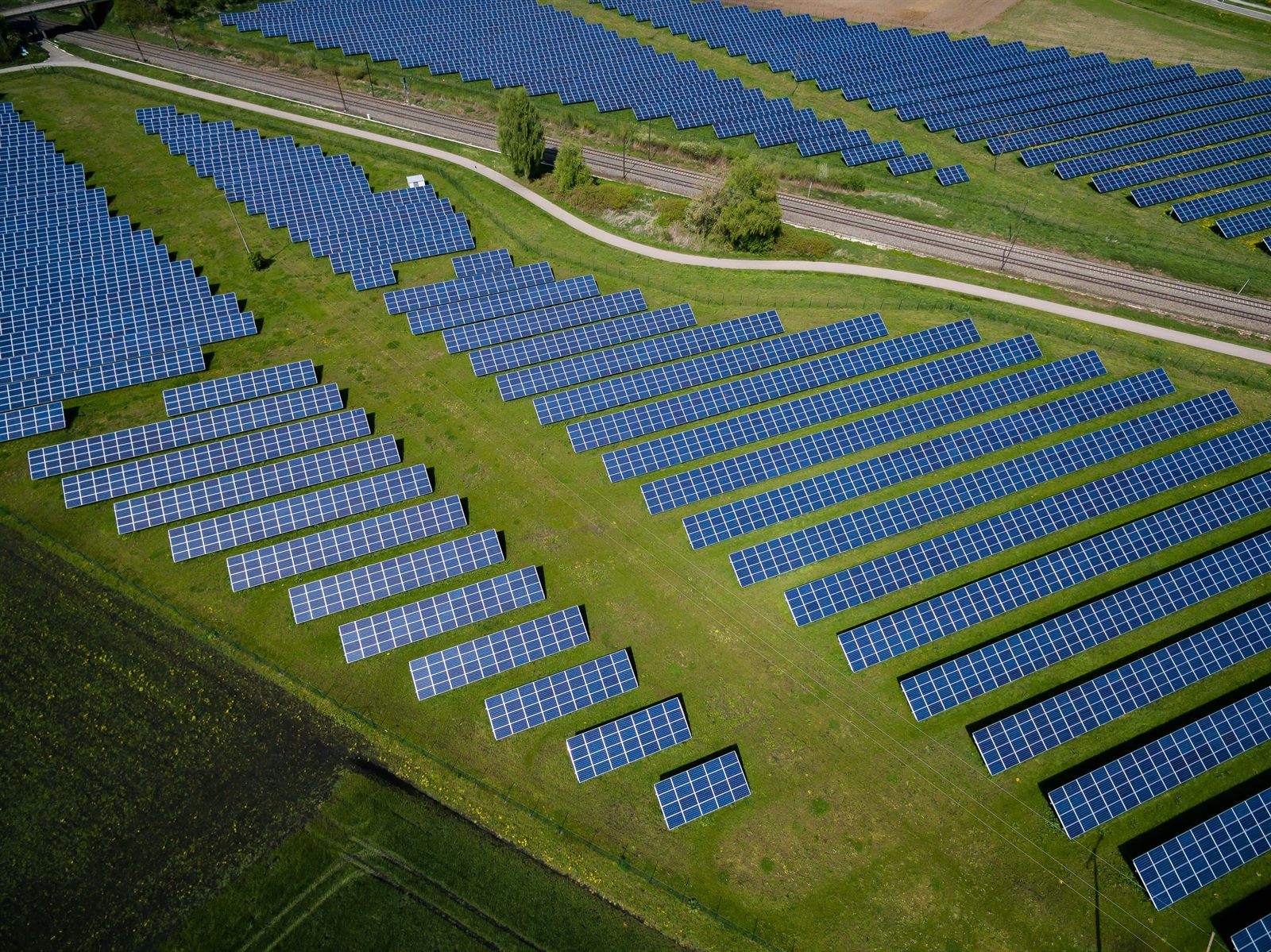
You have seen the headlines for a decade: solar is the cheapest electricity ever built. Wind farms sell power for a fraction of what coal plants once charged. The green revolution, you were promised, would not just save the planet — it would save you money.
Then the envelope arrives. Your electricity bill is higher than last year. Higher than the year before that. In Britain, Germany, and much of the United States, household power prices have climbed even as wind and solar flooded onto the grid. Something strange is happening between the wind turbine and your wallet — and understanding it is the key to knowing whether your bills will ever actually fall.
What the Evidence Shows
The first culprit is a pricing rule almost nobody outside the industry has heard of: marginal pricing. In most electricity markets, every generator selling power in a given hour gets paid the price charged by the most expensive plant needed to meet demand that hour. And the most expensive plant is usually one burning natural gas. So even when 70% of your evening's electricity comes from wind that costs almost nothing to run, the whole hour is priced as if it came from gas. Cheap solar gets paid gas prices; you get billed gas prices. When gas spiked after 2022, bills across Europe exploded — despite record renewable output.
The second culprit is the grid itself. Moving power from sunny deserts and windy coasts to cities requires thousands of kilometres of new transmission lines, and the queue of renewable projects waiting for a grid connection now stretches years in the US, UK, and Germany. Add storm-hardening — burying lines, fireproofing equipment as weather gets wilder — and the rebuild bill runs to trillions globally. Every unit of it lands on the "network charges" section of your bill, the part that has quietly grown to a third or more of what you pay. There is a third, awkward factor: in many countries, regulated utilities earn a guaranteed profit margin on the capital they spend. The more they build, the more they earn — an incentive that rewards big spending, not cheap bills.
"We built a market where the cheapest power in history is sold at the price of the most expensive. Consumers are not paying for what electricity costs to make; they are paying for what the last gas turbine demands. Until that link is broken, the solar revolution will remain invisible on household bills."
— International Energy Market Review — "The Marginal Price Trap," 2025But bills have fallen in specific places — and the pattern is telling. Texas wholesale prices routinely go negative on windy spring days. In Australia, where more than 30% of homes have rooftop solar, households with panels have slashed their bills so deeply that the country's grid operators had to redesign their systems around them. Spain's abundant midday solar now regularly drives prices near zero for hours. Notice what these share: the savings flow to people who either live in deregulated wholesale markets or generate their own power. That points to the escape hatch — and the trap. As more homes install solar and batteries and partially opt out of the grid, the fixed costs of maintaining that grid are spread across fewer remaining customers, pushing their bills higher and pushing more of them to defect. Utilities call this the "death spiral" debate, and regulators are only beginning to grapple with it. Reformers want to break the gas link directly — the UK's Review of Electricity Market Arrangements, known as REMA, examined splitting the market so cheap clean power is priced separately — but reform moves at the speed of consultation papers.
"The energy transition has a last-mile problem — and the last mile runs straight through your meter."
Why This Is Happening
The market rules were written for a fossil world. Marginal pricing made sense when all power plants burned fuel and the question was whose fuel was cheapest. In a world where sun and wind cost nothing to run, the rule perversely hands windfall profits to cheap generators and gas-level bills to households. Changing it means rewriting how a trillion-dollar market works — which everyone agrees is needed and nobody can agree how to do.
The grid rebuild is real, necessary, and on your tab. Electrifying cars and heating means grids must carry far more power, from new places, through wilder weather. That is genuinely expensive, and unlike a power station, a transmission line has no fuel savings to offer. The transition's infrastructure decade — roughly now through the mid-2030s — front-loads costs onto bills before the cheap-energy payoff arrives.
Nobody's incentives point at your bill. Utilities profit from building; generators profit from high marginal prices; governments quietly load levies and social programs onto electricity bills because it is easier than raising taxes. The one party with a pure interest in cheaper power — you — is not in the room when prices are designed.
What Could Happen
Cheap renewables offset rising grid costs almost exactly. Wholesale prices drift down, network charges drift up, and the average household bill stays roughly flat in real terms — better than the 2022–2025 pain, but far from the promised dividend. The gap between solar-owning households and everyone else widens into a visible two-tier system.
The UK, EU, or a major US state successfully decouples clean power pricing from gas, proving it can be done without blackouts or investor flight. Others copy fast. Combined with batteries smoothing out expensive peaks, household bills fall 15–25% in real terms by 2033, and cheap electricity becomes the transition's best advertisement.
Rooftop solar and home batteries get so cheap that grid defection accelerates beyond regulators' response. Fixed grid costs concentrate on renters, apartment dwellers, and the poor — the people who cannot install panels — driving bills up sharply for those least able to pay and turning energy into the decade's ugliest fairness fight.
What Can We Do
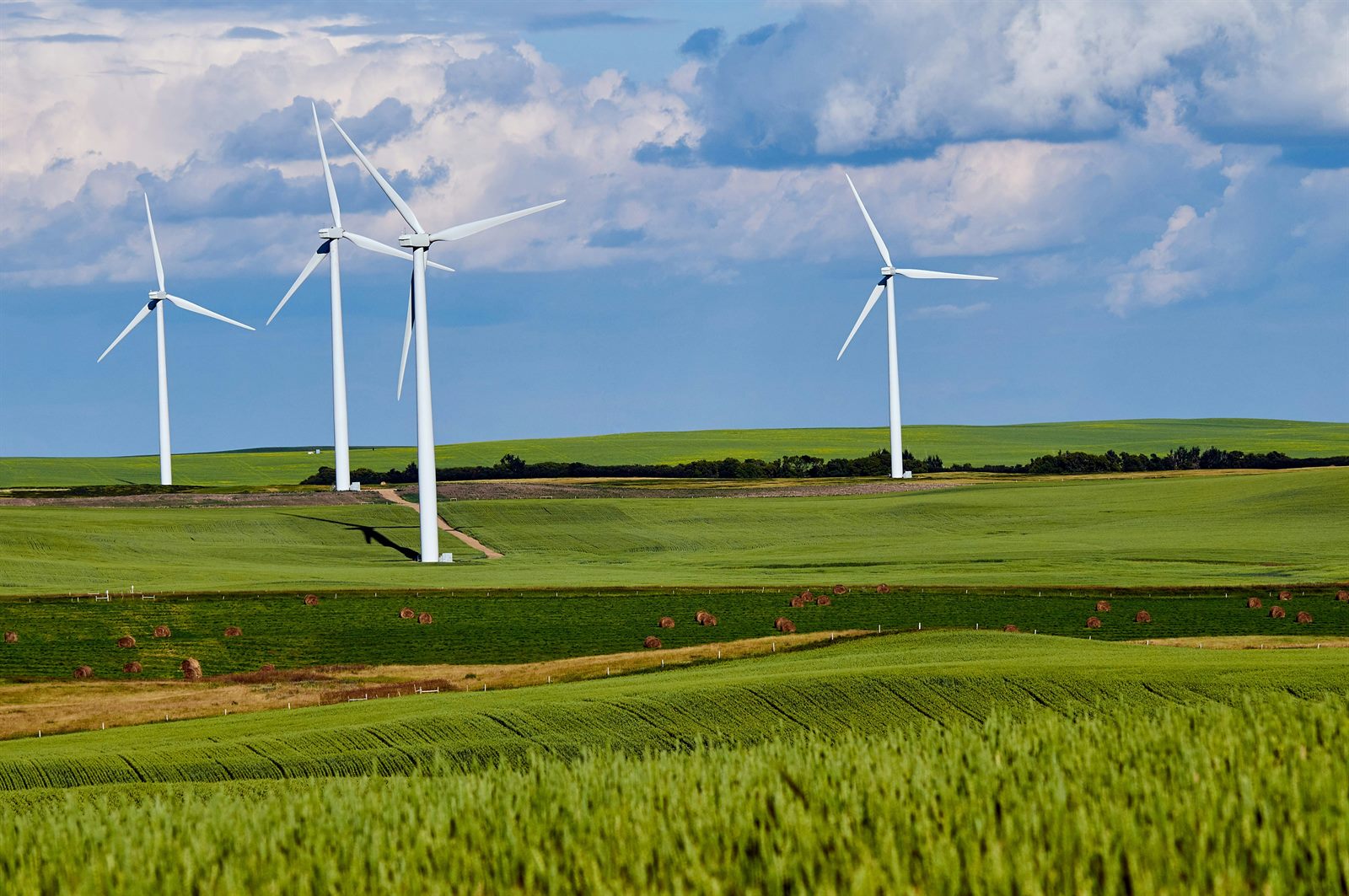
You cannot rewrite the market, but you can stop being its most passive customer. The tools that let households capture the cheap-energy era already exist — most people simply never pick them up.
Switch to a time-of-use tariff and move your load. Many suppliers now offer rates that plunge when renewables are abundant — overnight, or sunny midday. Running the dishwasher, charging the car, and heating water during those windows can cut effective costs by a quarter with zero hardware. The cheap electricity exists; it is just hiding at 2 a.m.
If you own a roof, run the solar numbers this year. Panel prices have collapsed, and in most sunny regions payback now takes well under a decade — faster with a battery capturing cheap hours. Every year you wait is a year of paying gas-linked prices for sunlight that would have been free.
Renters: demand access to the dividend. Community solar schemes, landlord incentive programs, and shared-building batteries let people without roofs buy into cheap generation. Where these do not exist, they are being legislated — supporting them is self-interest, not charity.
Make bill design a political issue. Marginal pricing reform, moving levies off electricity bills, and fair grid-cost allocation sound technical, but they decide who captures trillions in savings. When a REMA-style reform or utility rate case opens for public comment where you live, comment. The rules are being rewritten this decade — mostly by the people who profit from the current ones.
- International Energy Agency — World Energy Outlook, Household Price Analysis, 2025
- Lazard — Levelized Cost of Energy Analysis, Version 18, 2025
- UK Department for Energy Security — Review of Electricity Market Arrangements (REMA) Consultation, 2024
- International Energy Market Review — "The Marginal Price Trap," 2025
- Australian Energy Market Operator — Rooftop Solar Integration Report, 2025
- Forecast The World Research Desk — 800+ data sources