The Question
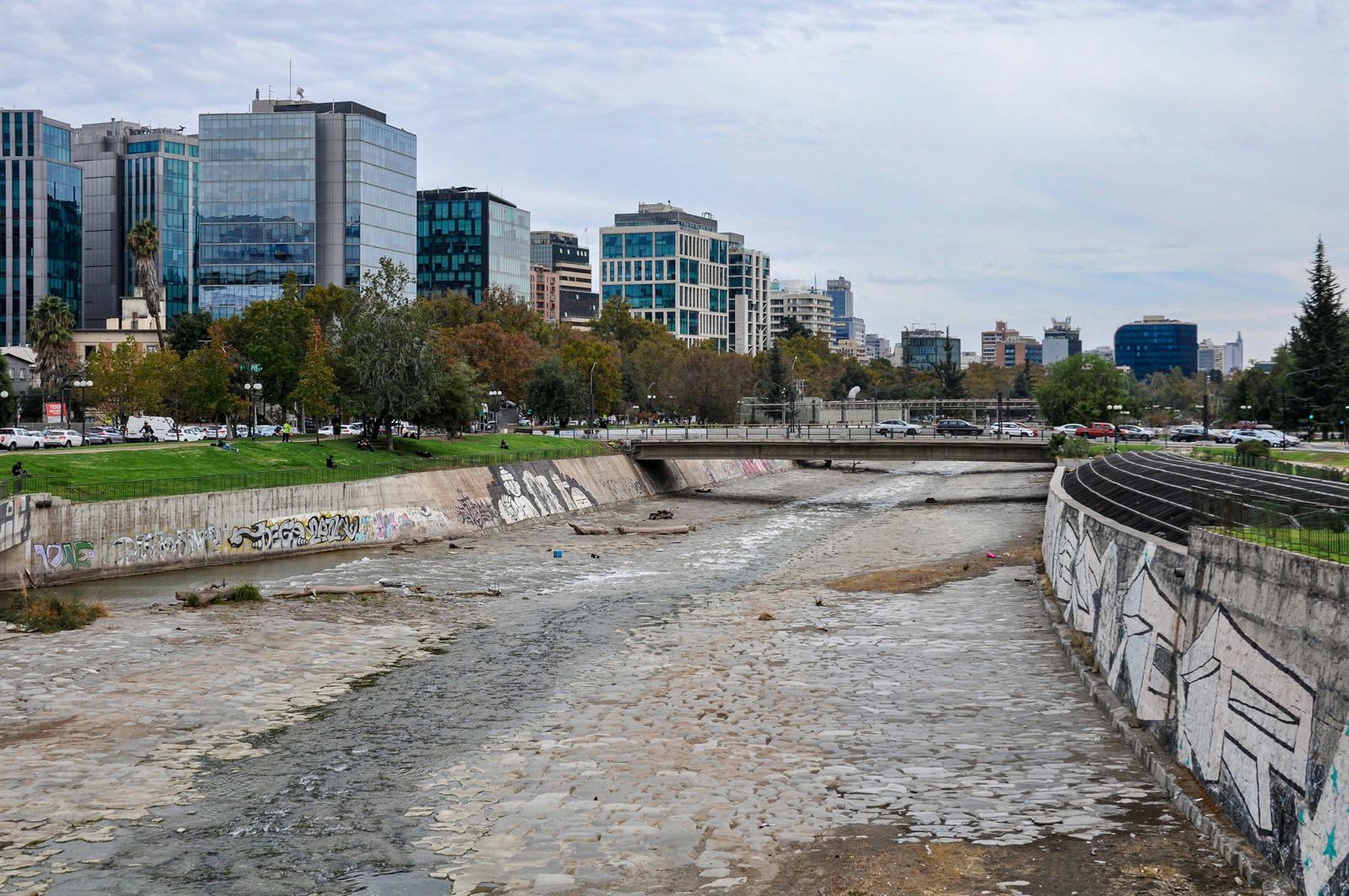
Imagine your morning without the tap. No shower. No flush. No kettle. Instead, you walk to a fenced distribution point a few streets away, show an ID, and collect 25 litres — about two buckets — under the eyes of police. That is Day Zero: the day a city's water system stops serving homes and switches to survival rations. It sounds like fiction. In 2018, Cape Town published the date.
South Africa's second city, home to four million people, came within roughly 90 days of Day Zero after three failed rainy seasons. It survived through the most drastic urban water rationing ever attempted — 50 litres per person per day, a quarter of what an average American uses — plus shame campaigns, pressure cuts, and finally, mercifully, rain. The question our forecast asks: was Cape Town a freak event, or a preview?
What the Evidence Shows
The near-misses are piling up. In 2019, Chennai — an Indian city of ten million — declared its four main reservoirs effectively empty; water arrived by train and tanker truck while residents fought in queues. In 2014–15, São Paulo's main reservoir fell to 4% of capacity, one hot month from collapse. In 2024 alone, three giants flirted with the edge: Mexico City's politicians openly debated a Day Zero date as its Cutzamala reservoir system hit record lows; Bogotá imposed rotating shutoffs across the whole city; and Bangalore, India's booming tech capital, ran so short that offices told workers to stay home and apartment towers bought water by the tanker.
Two invisible problems make these crises sneak up on cities. The first is groundwater — the water stored in rock and soil beneath the surface, pumped up through wells. It depletes silently; there is no shrinking reservoir to photograph, just wells that one day cough sand. Mexico City is the extreme case: it pumps so much from the aquifer beneath it that whole neighborhoods are sinking, in places by up to 50 centimetres a year, cracking the very pipes that carry what water remains. The second is leakage. Many major cities lose 30 to 50% of their treated water through broken pipes before it ever reaches a tap — a hidden reservoir wasted underground every single day.
"Every city that has approached Day Zero believed, eighteen months earlier, that it had years of buffer. Reservoirs fail slowly and then suddenly; aquifers fail invisibly and then permanently. The defining feature of urban water collapse is that officials discover the true numbers too late to act cheaply."
— Global Water Security Institute — "Urban Day Zero Risk Assessment," 2025Who runs out first? The candidates share a profile: fast growth, dependence on distant or shrinking sources, and leaky systems. Mexico City, Bangalore, Karachi, Cairo, and several Iranian and North African cities top most risk lists. The escape routes are real but narrow. Desalination — removing salt from seawater — works, but it is expensive, energy-hungry, and only helps cities on a coast; Bangalore and Mexico City sit hundreds of kilometres inland and a mile or more uphill. The genuine success story is Israel, which recycles nearly 90% of its wastewater — cleaning what goes down the drain and reusing it, mostly for farming — and desalinates the rest of its needs. Spain, the next best, recycles around 20%. Most megacities recycle almost nothing.
"A city never runs out of water all at once. It runs out for the poor first, and calls that normal."
Why This Is Happening
Climate change is making rainfall arrive in the wrong amounts at the wrong times. Warmer air holds more moisture, so wet places flood while dry spells stretch longer and bite deeper. The multi-year drought — the specific killer of urban water systems, which are built to survive one bad year, not four — is becoming more common in exactly the regions where cities are growing fastest.
Cities are growing faster than their plumbing. Bangalore added millions of residents in two decades while paving over the lakes that once recharged its groundwater. Mexico City's population doubled while its pipes aged past retirement. When demand rises a few percent every year and supply is fixed or falling, the arithmetic has only one ending — the only question is which drought year triggers it.
Water is priced too cheaply to save. In most cities, water is heavily subsidised, so there is little incentive to fix leaks, harvest rain, or recycle. Utilities that lose half their water to broken pipes cannot afford repairs precisely because they charge so little. The resource is treated as free right up until the day it becomes priceless.
What Could Happen
A multi-year drought hits one of the known candidates — Mexico City, Bangalore, or a Middle Eastern or North African capital — and rationing escalates into genuine shutoff: taps dead in most districts, water distributed at guarded points, schools and businesses closed. The crisis lasts weeks to months, triggers a global reckoning, and makes water infrastructure the new climate priority everywhere.
Cities learn just enough from Cape Town to avoid the cliff-edge. Rotating shutoffs, pressure reductions, and scheduled supply — water only a few hours a day — spread across dozens of cities and simply become how urban life works. No single dramatic Day Zero, but hundreds of millions of people living with intermittent taps by the early 2030s. Arguably worse; certainly quieter.
Desalination costs keep falling, Israel-style wastewater recycling spreads rapidly, satellite leak detection lets utilities fix their worst pipes, and the dice of weather roll kindly. Every major city that approaches the edge is pulled back, as Cape Town was. This requires both sustained investment and luck with the climate — a combination that has not held anywhere for long.
What Can We Do
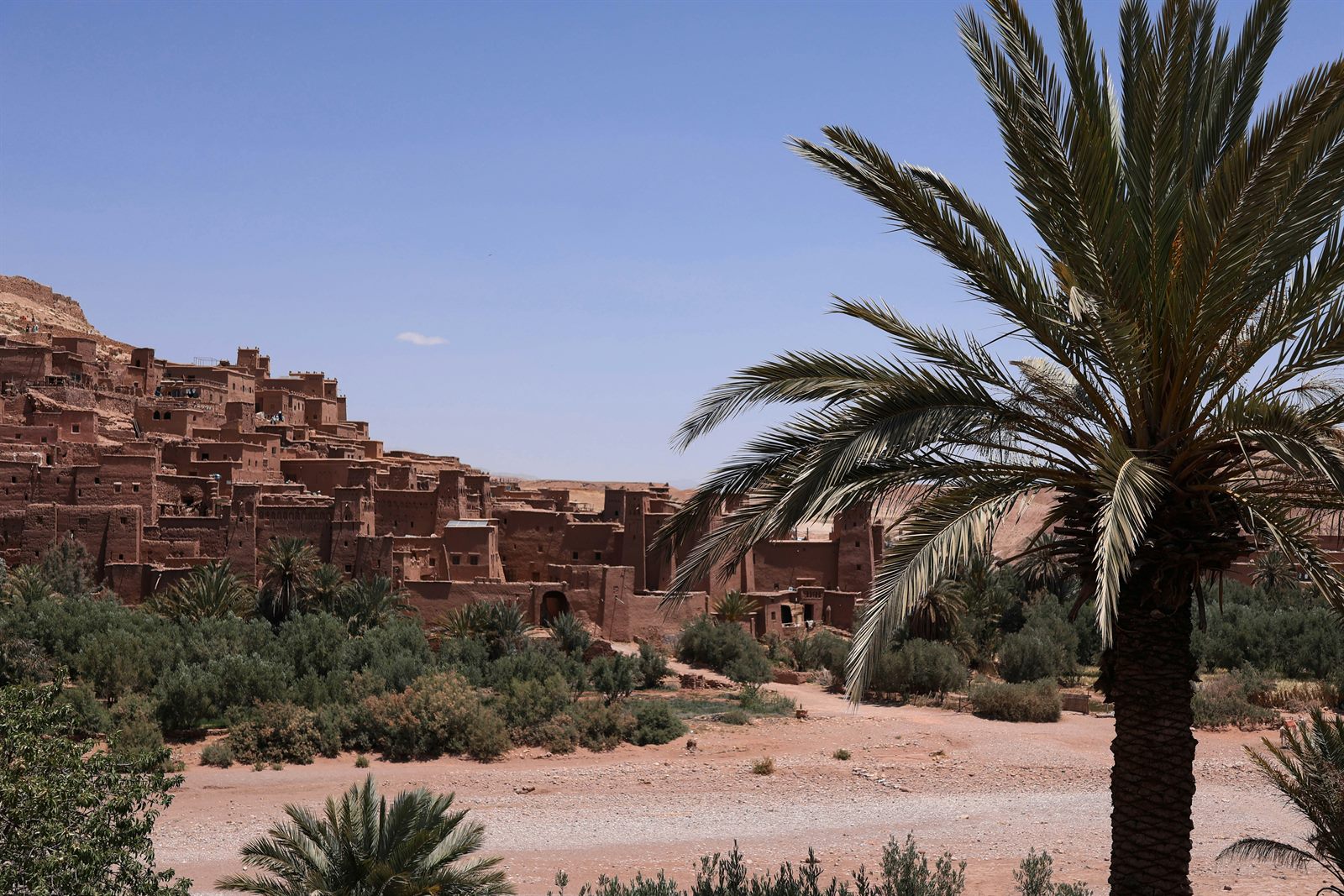
Whether your own city is on the risk list or merely complacent, the preparations that matter are the same — and the cheapest time to make them is before the reservoir photos hit the news.
Know your city's water story. Find out where your tap water actually comes from, how full those sources are, and how much the network loses to leaks — utilities publish this, buried in annual reports. A citizenry that watches reservoir levels the way it watches weather forecasts forces politicians to act years earlier.
Cut your household's baseline now. Cape Town's residents proved people can live well on a fraction of typical usage. Low-flow shower heads, dual-flush toilets, fixing the dripping tap, running full loads only — these cut a typical home's use by a third for trivial cost, and they are much easier to adopt calmly than under emergency orders.
Store a real buffer. Emergency agencies recommend several days of drinking water per person at all times. If you live in a drought-prone city, go further: a rain tank or rooftop harvesting system turns your roof into a private reservoir and takes pressure off the grid at exactly the worst moments.
Vote for pipes, not just promises. The unglamorous fixes — leak repair, wastewater recycling, fair water pricing that protects basic use but charges for swimming pools — are what actually prevent Day Zero. Support politicians and ballot measures that fund them, and treat "we'll build a pipeline later" as the warning sign it is.
- City of Cape Town — Water Outlook and Day Zero Retrospective Reports, 2018–2023
- Global Water Security Institute — "Urban Day Zero Risk Assessment," 2025
- CONAGUA / Mexico City Water System — Cutzamala Reservoir Bulletins, 2024
- World Resources Institute — Aqueduct Water Risk Atlas, City Rankings, 2024
- Israel Water Authority — National Wastewater Reuse Statistics, 2024
- Forecast The World Research Desk — 800+ data sources