The Question
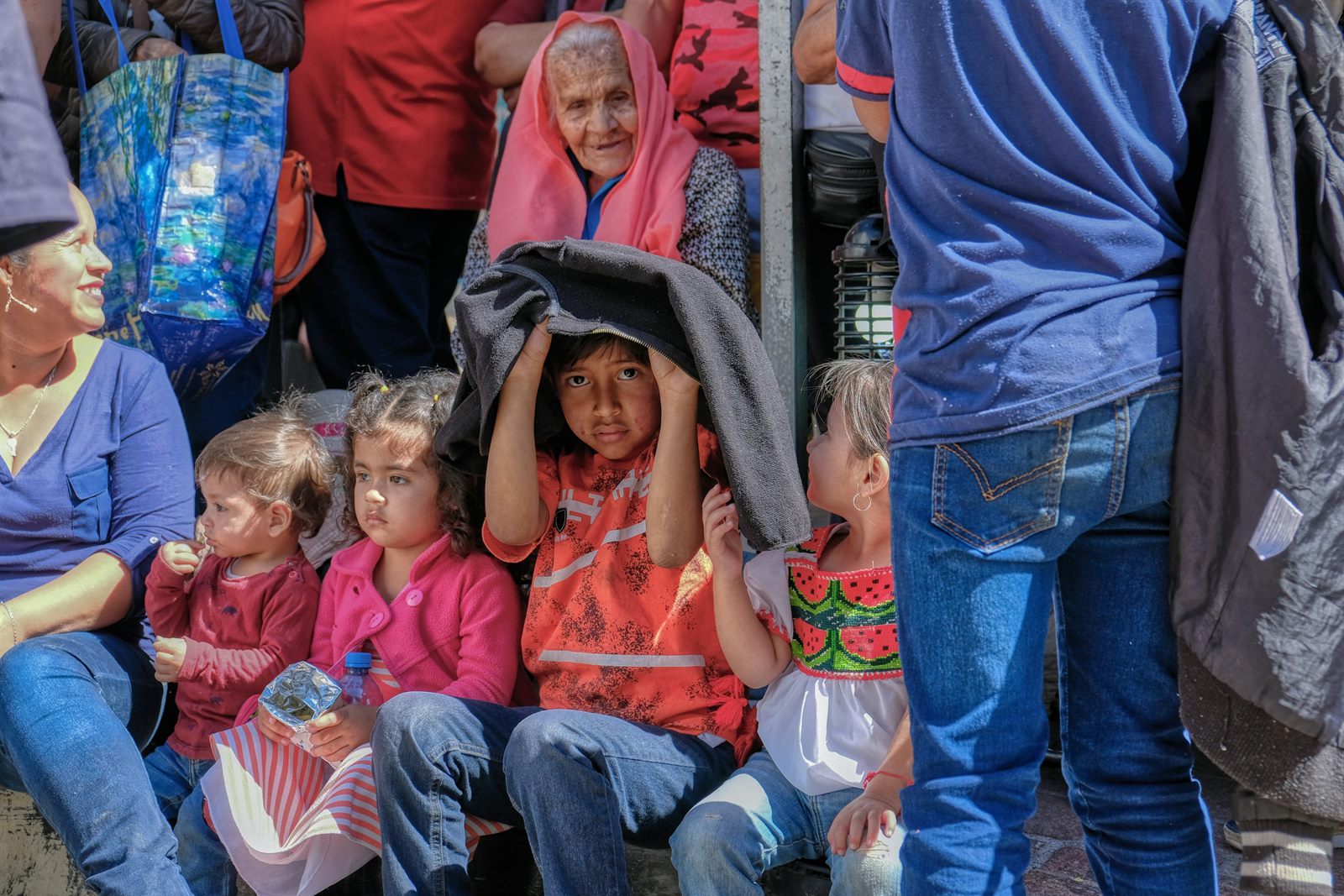
When you picture a refugee, you probably picture war — a family fleeing bombs, crossing a border with what they can carry. Hold onto that image, then widen it. Add the farmer in the Sahel whose rains simply stopped coming, the family in Bangladesh whose village slid into a rising river, the Californian whose town burned to ash in an afternoon. None of them fired a shot or fled a soldier. All of them had to leave. And in the eyes of international law, not one of them is a refugee at all.
That gap between reality and the rulebook is the heart of this story. The number of people uprooted by weather is climbing fast, while the legal system built to protect the displaced was written for a different century. The question is not whether climate displacement grows — it is already the larger force. The question is when it becomes so overwhelmingly larger that the world can no longer pretend these people do not exist.
What the Evidence Shows
The crossover has, by some measures, already happened. The Internal Displacement Monitoring Centre — the body that counts people forced from their homes — finds that in most recent years, weather disasters uproot two to three times as many people as conflict does. In 2022 alone, disasters triggered around 32 million new displacements inside countries. Most of these people do not cross a border; they flee to the next town or city and are counted as "internally displaced," invisible to the asylum system entirely.
The trajectory bends sharply upward. The World Bank's landmark Groundswell study projects that on current trends, climate pressures could drive up to 216 million people to migrate within their own countries by 2050 — from sub-Saharan Africa, South Asia, Latin America, and beyond. These are not people boarding boats to Europe; they are farmers moving to slums, coastal families moving inland, a vast internal churn. The tenfold gap this forecast describes is not a wild extrapolation. It is the visible trend, continued.
"We have built an entire global protection system around the person fleeing a government, and almost nothing around the person fleeing a flood. Nature does not persecute you in the legal sense — so the law looks away, even as the numbers dwarf every war on Earth."
— Institute on Statelessness and Migration, Policy Brief, 2025The law is the crux. The 1951 Refugee Convention, the treaty that defines who counts as a refugee, protects only people fleeing persecution for their race, religion, nationality, politics, or social group. A rising sea is none of those things, so "climate refugee" has no legal standing — the term is journalism, not law. There is one crack of light. When a man named Ioane Teitiota sought asylum in New Zealand from the sinking Pacific nation of Kiribati, he lost his case — but in 2020 the UN Human Rights Committee ruled that governments may not send people back to conditions where climate change threatens their lives. It was the first time an international body said, in effect: at some point, deportation to a dying homeland becomes illegal.
"You cannot deport someone to a country that no longer exists above the waterline."
Why This Is Happening
The disasters are multiplying and stacking. Warmer air holds more water, so storms drop heavier rain and floods reach further; hotter, drier spells turn farmland to dust. The Sahel is drying, the great river deltas of Asia are drowning, and coastlines everywhere are creeping inland. Each disaster on its own displaces people temporarily — but as they pile up, families that once rebuilt after each blow simply give up and leave for good.
Whole nations are running out of ground. Low-lying island states like Tuvalu and Kiribati face an existential version of the problem: not damage, but disappearance. Australia and Tuvalu signed the Falepili Union treaty — the world's first climate migration pact — offering 280 Tuvaluans a year the right to move to Australia as their islands vanish. It is a preview of a new kind of diplomacy, where countries negotiate the orderly evacuation of other countries.
Rich nations are not immune. This is not only a developing-world story. Hurricanes have permanently displaced communities across coastal Louisiana; the town of Paradise, California, was largely erased by wildfire in a single day. Americans are already moving away from repeated floods and fires, even if no one calls them refugees. When displacement reaches wealthy countries with insurance and infrastructure, it stops being someone else's problem — and the political pressure to redefine protection grows.
What Could Happen
By 2035 climate displacement dwarfs conflict displacement, overwhelmingly inside national borders. No grand new global treaty appears, but a patchwork spreads: bilateral pacts like the Tuvalu-Australia deal, regional protections, and court rulings building on the Teitiota precedent. "Climate refugee" gains meaning through accumulated practice long before any convention formally recognizes it.
The sheer scale forces governments to negotiate a formal expansion of refugee protection to include those displaced by climate, or a dedicated new treaty. This would be historic — the first redefinition of who deserves refuge since 1951 — but treaties move slowly and wealthy nations fear the obligations, so it lags well behind the reality on the ground.
Instead of new protections, rising numbers trigger a backlash: walls, pushbacks, and a refusal to recognize climate as a legitimate reason to move. Displacement still surges, but the world simply declines to help, and tens of millions live in legal limbo. Politically plausible in places, but hard to sustain everywhere as the crisis reaches wealthy nations too.
What Can We Do
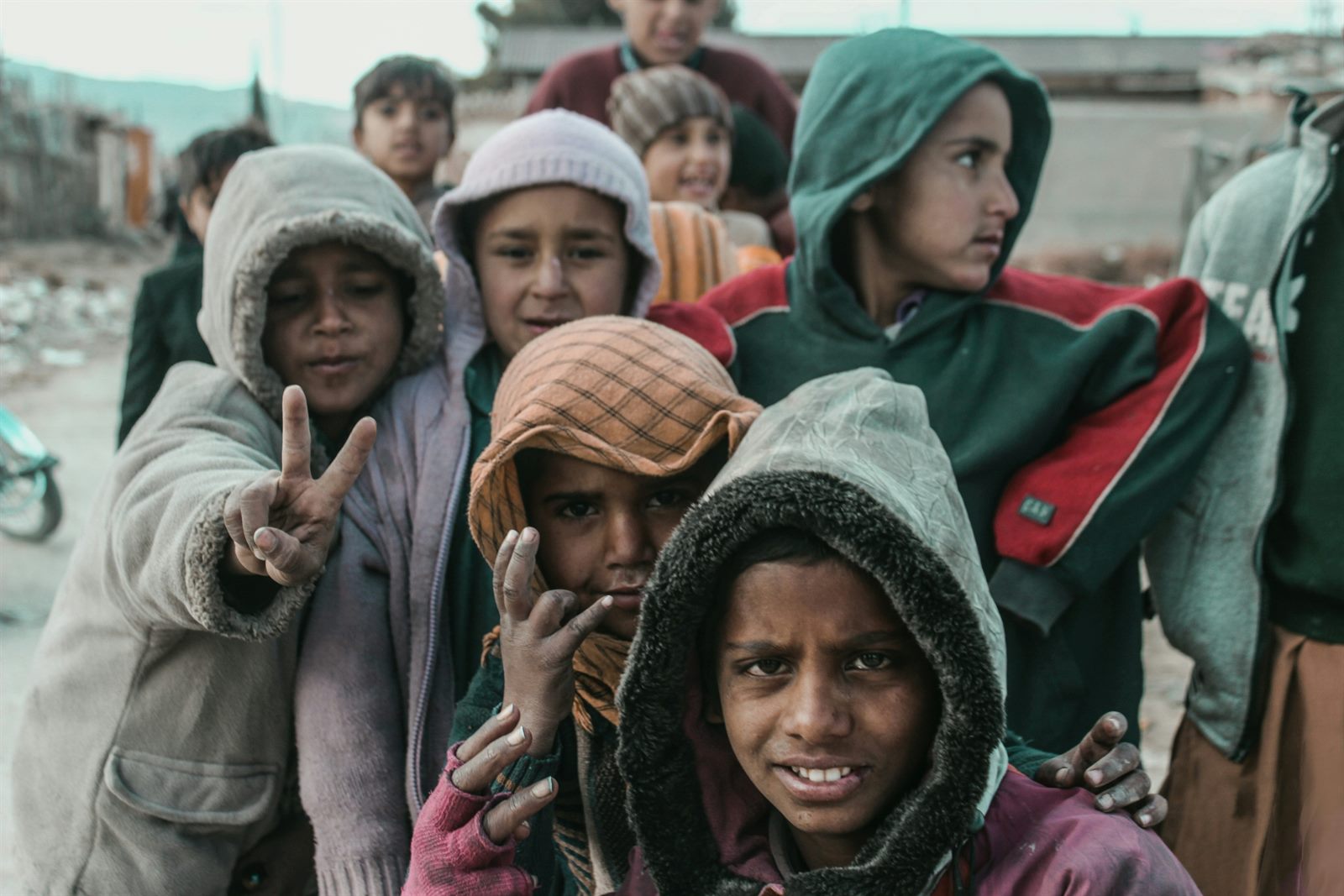
Climate displacement can feel too vast to touch, but it is shaped by concrete decisions — about laws, budgets, and how receiving communities respond. Here is where ordinary people have leverage.
Push to close the legal gap. The single biggest failure is that climate-displaced people have no legal status. Supporting organizations and politicians working to extend refugee protections — or to build new frameworks like the Tuvalu-Australia treaty — is how the rulebook eventually catches up to reality. Public opinion moves treaties.
See displacement at home, not just abroad. The families leaving flooded Louisiana or burned-out California towns are part of this story. Backing managed-retreat programs, disaster buyouts, and fair resettlement funding in your own country builds the humane systems that will be needed everywhere as numbers rise.
Welcome the arrivals as an opportunity. Cities that receive displaced people often fear strain — but newcomers also revive shrinking towns, fill labor gaps, and start businesses. Supporting integration programs, and resisting the politics that cast the displaced as invaders, turns a crisis into renewal for aging and emptying communities.
Cut the emissions driving it all. Every fraction of warming avoided means fewer failed harvests, fewer drowned deltas, fewer people forced to choose between staying and surviving. Reducing your own footprint matters, but voting and advocating for serious climate policy matters far more — it addresses the root, not just the symptom.
- Internal Displacement Monitoring Centre — Global Report on Internal Displacement, 2024
- World Bank — Groundswell: Preparing for Internal Climate Migration, Updated 2024
- UN Human Rights Committee — Teitiota v. New Zealand Ruling, 2020
- Government of Tuvalu & Australia — Falepili Union Treaty Text, 2024
- Institute on Statelessness and Migration — Climate Displacement Policy Brief, 2025
- Forecast The World Research Desk — 800+ data sources