The Question

Every economic upheaval writes two lists: the jobs it kills and the jobs it mints. The internet gutted travel agents and minted web developers. Now the biggest physical transformation since electrification is underway — rewiring how the world makes energy, hardens its cities, and prices its risks — and most people planning careers are not even looking at the list it is writing.
Here is the strange part: the hottest names on that list are not futuristic. They are electricians, roofers, heating engineers, and insurance analysts. The climate economy's gold rush looks less like Silicon Valley and more like a van with a ladder on top. The question for any worker, student, or parent is simple — which side of the list will your career be on in 2032?
What the Evidence Shows
Open the US Bureau of Labor Statistics' ranking of the fastest-growing occupations and the pattern jumps out: wind turbine service technicians and solar photovoltaic installers have sat at or near the very top for years, with projected growth of 40 to 60 percent — several times the rate of nurses or software developers. Behind them queue the trades that make electrification physically possible. Rewiring homes for heat pumps, car chargers, solar panels, and induction stoves requires electricians in numbers no country currently has; industry groups estimate the US alone needs hundreds of thousands more this decade, and wages are responding the way scarce things do.
The heat itself is hiring too. HVAC — the trade that installs heating, ventilation, and air conditioning — is booming on both ends: heat pumps to cut emissions, and air conditioning demanded by summers that break records almost annually. Utilities are chasing grid engineers to rebuild power networks for a doubled electrical load. Coastal cities are bidding for flood-defense engineers. Fire agencies are professionalizing wildfire management into a year-round career. And in the office towers, a quieter boom: banks and insurers are hiring climate risk analysts and catastrophe modelers — specialists who translate floods and fires into financial numbers — because regulators now demand climate stress tests the way they demand audited accounts.
"We tell students the climate economy is coming as if it were a distant wave. It is not coming; it is hiring. The fastest-growing job in America climbs wind turbines. The scarcest professional in London prices flood risk. The gold rush is already on — most people just haven't noticed the gold is wearing a tool belt."
— International Labour Review — "The Adaptation Workforce," 2025There are two distinct booms hiding in one story. Mitigation careers build the clean economy: solar, wind, batteries, grids, heat pumps. Adaptation careers defend against the warming already locked in: flood defenses, fire management, resilient construction, risk analysis. Mitigation depends partly on policy and can wobble with elections. Adaptation does not care who wins — the water rises regardless, and someone gets paid to hold it back. Meanwhile the shrinking list writes itself: coal jobs are in structural decline, oil and gas employment is flattening even in boom years, and ski-season and other climate-dependent seasonal work is quietly eroding.
"The safest career of the 2030s isn't in a glass tower. It's in a van with a ladder on the roof."
Why This Is Happening
Electrifying everything is the largest construction project in history — and it is desperately short of hands. Every EV charger, heat pump, solar roof, and upgraded panel box is skilled manual work that cannot be offshored or done by software. Governments have committed trillions to the buildout, but money does not swing wrenches. The bottleneck is people, which is why apprentice electricians in hot markets now out-earn many graduates — with zero student debt.
Locked-in warming guarantees adaptation work for decades. Even in optimistic emissions scenarios, the next twenty years of heat, fire, and flood are already baked into the atmosphere. That makes seawalls, drainage upgrades, fire-resistant retrofits, and disaster restoration one of the few job markets with guaranteed demand — funded by insurance payouts and government budgets that must be spent, recession or not.
Finance now has to price the weather, and it pays richly for people who can. Central banks require climate stress tests. Insurers live or die by catastrophe models. Investors demand climate risk disclosure on trillions in assets. A niche skill — turning climate science into financial numbers — has become a regulated necessity, and salaries for experienced catastrophe modelers and climate risk analysts have climbed into investment-banking territory.
What Could Happen
Electricians, solar and wind techs, HVAC specialists, grid engineers, and climate risk analysts hold top-ten positions on official fastest-growing lists across the US, EU, and UK. Trade wages keep outpacing white-collar averages, apprenticeships develop waiting lists, and oil-and-gas workers cross over in growing numbers — drilling skills mapping neatly onto geothermal wells.
Subsidy rollbacks and trade fights slow the mitigation side — solar and EV hiring stalls in some countries for several years. But adaptation hiring accelerates regardless as disasters mount, and the electrician shortage persists because grids and buildings need rewiring under any government. The boom bends; it does not break.
Robotic solar installation, prefabricated electrified housing, and AI-driven risk models absorb much of the projected demand, keeping climate jobs growing but off the top of the rankings. Plausible for panel farms in fields; far harder for the messy, one-off work inside a century-old house — which is where most of the jobs live.
What Can We Do
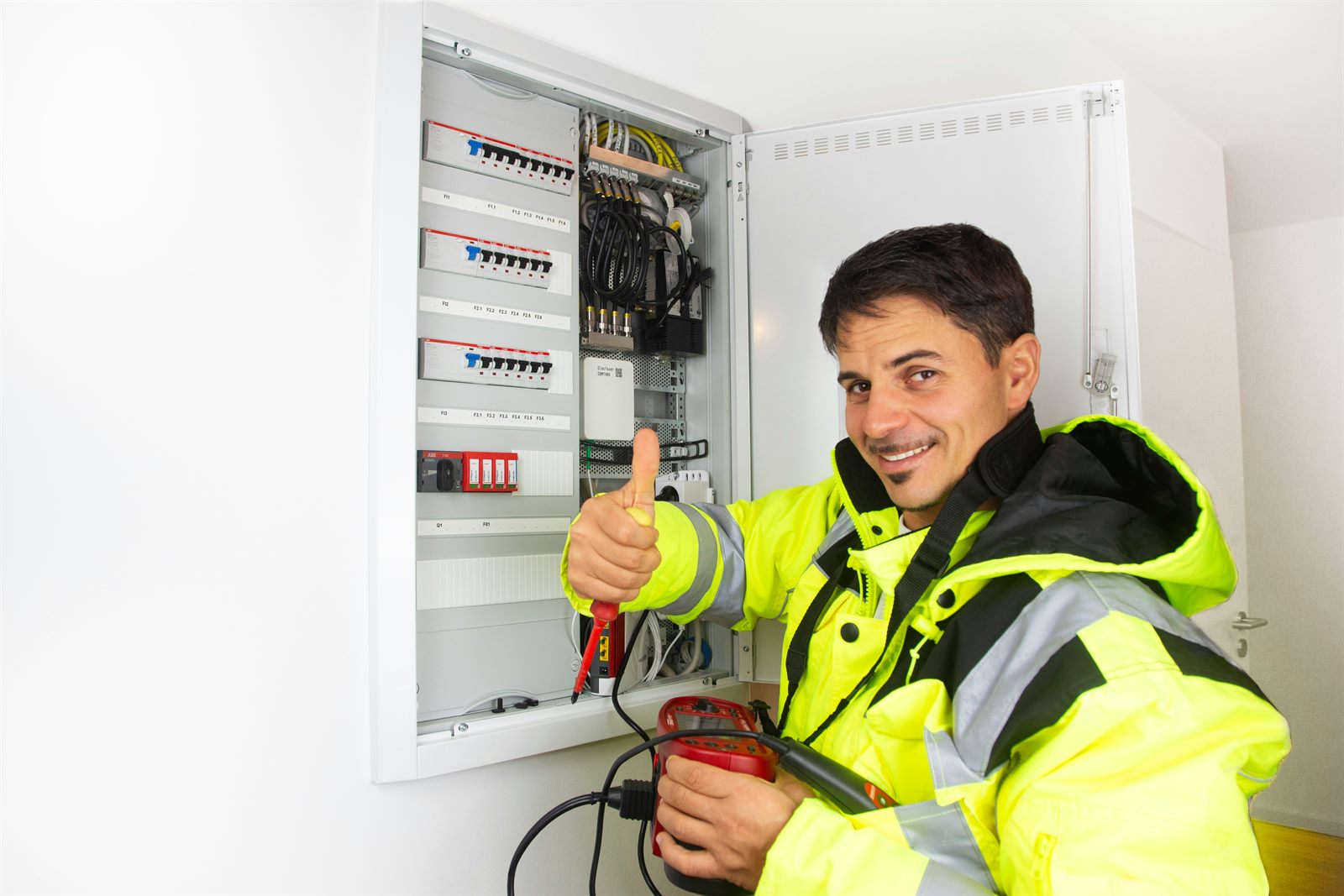
You do not need to change careers tomorrow. You need to aim your next move — a course, a certification, a job switch — at the side of the list that grows. Here is how to position yourself, whatever your starting point.
If you want six figures without a degree, look at the trades first. Electrician, HVAC, and wind technician apprenticeships pay you to learn, take three to five years, and lead into the tightest labor markets of the decade. A licensed electrician who understands solar, batteries, and heat pumps will not be unemployed in this half-century.
If you work in oil and gas, map your transferable skills now. Drilling expertise transfers to geothermal energy, offshore experience to offshore wind, and pipeline and safety engineering to hydrogen and carbon storage. Workers who cross early set the salary benchmarks; those who wait follow them.
If you are white-collar, add a climate layer to what you already do. A finance analyst who can read a catastrophe model, a lawyer fluent in renewable permitting, a project manager who has delivered a grid upgrade — hybrid profiles command premiums because both halves are scarce in one person. A single certification can start the pivot.
If you are a student or a parent advising one, check the destination before boarding. Compare official growth projections for target careers, favor skills that serve adaptation as well as mitigation — because adaptation is recession-proof and politics-proof — and treat "can this job be done by software in ten years?" as a mandatory question. Jobs that fix physical things in a warming world answer it best.
- US Bureau of Labor Statistics — Fastest Growing Occupations Projections, 2024–2034
- International Energy Agency — World Energy Employment Report, 2025
- National Electrical Contractors Association — Workforce Gap Analysis, 2025
- Bank of England — Climate Stress Testing and Financial Risk Skills Review, 2024
- International Labour Review — "The Adaptation Workforce," 2025
- Forecast The World Research Desk — 800+ data sources