The Question
Here is a bet almost nobody is making yet: that the hottest real estate of 2040 will be cold. Picture Duluth, Minnesota — a shrunken port on the edge of Lake Superior, famous for brutal winters and not much else. Now picture it packed, its empty warehouses converted to lofts, its harbor lined with newcomers who fled the heat, fire, and hurricanes of the Sun Belt. That is not a fantasy a booster invented. A Harvard researcher named Jesse Keenan literally coined the phrase "climate-proof Duluth," and the city's leaders happily adopted it.
For seventy years, Americans have moved toward danger — pouring into Phoenix, Florida, and Texas, the very places climate change is making hottest, driest, and most flood-prone. The question this forecast asks is when that great tide reverses: when do people start choosing where to live based not on sunshine and low taxes, but on which cities will still be livable, insurable, and safe in thirty years?
What the Evidence Shows
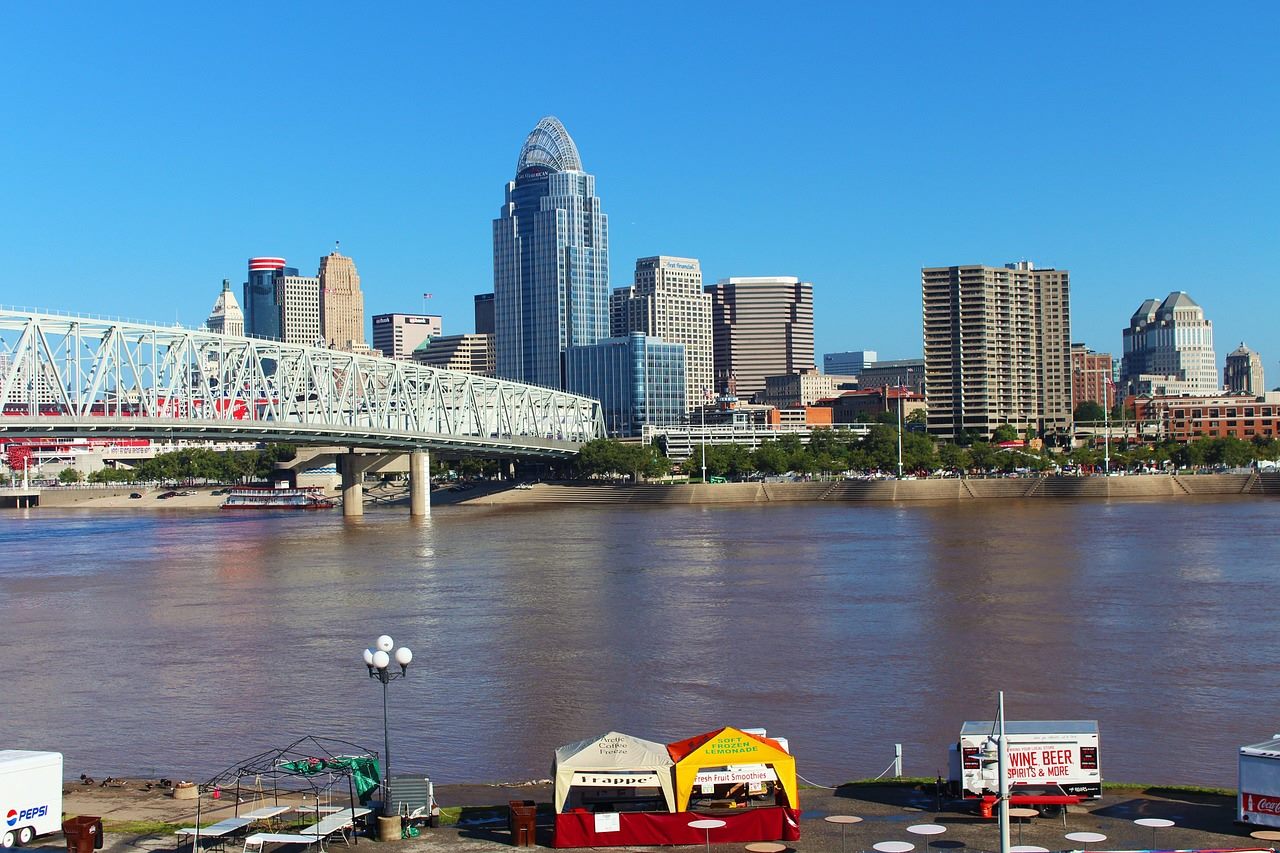
A handful of overlooked northern cities are already competing to be the refuge. Duluth leads the pack, but Buffalo's mayor has openly branded the city a "climate refuge," pointing to its abundant fresh water and distance from coastal storms. Ann Arbor and Madison, university towns with strong economies, top many resilience rankings. Burlington, Vermont, markets its clean energy and mild summers. Studies from Cincinnati and Pittsburgh — old industrial cities on higher ground — make similar cases. What unites them is geography: the Great Lakes region sits on roughly a fifth of the world's surface fresh water, well above sea level, beyond hurricane reach, and cool enough to dodge the worst heat.
The paradox is that, for now, the migration is still running the wrong way. The fastest-growing American cities remain the riskiest ones — metro Phoenix, the Texas triangle, and Florida's coasts keep swelling even as they bake and flood. Human beings discount future danger and chase present comfort, cheap housing, and jobs. But a quieter counter-current is forming, and it has a powerful engine behind it: money.
"People will argue about climate change right up until their insurance is cancelled and their mortgage falls through. That is the moment abstract risk becomes a moving truck in the driveway — and it is coming for the Sun Belt first."
— Urban Climate Migration Study, Journal of Regional Science, 2025That engine is insurance. Major insurers have pulled out of parts of Florida, Louisiana, and California, refusing to cover homes in fire and flood zones, or raising premiums until they eat a mortgage payment. When a house cannot be insured, it often cannot be financed, and when it cannot be financed, its value collapses. This financial machinery — dull, bureaucratic, and utterly relentless — may do what decades of climate warnings never could: make the risky places unaffordable and the safe places suddenly attractive. Climate resilience is quietly becoming a line item in the biggest financial decision most families ever make.
"The next great American migration will not be chasing the sun. It will be running from it."
Why This Is Happening
The Great Lakes hold the one thing the future is short of. As the Southwest drains its rivers and reservoirs, the north sits beside an ocean of fresh water, above the reach of rising seas, shielded from hurricanes, and increasingly spared the deep-freeze winters that once drove people away. Climate change is, perversely, making these cities more comfortable even as it makes the Sun Belt less so. Geography that looked like a liability for a century is turning into the ultimate asset.
These cities were built for twice the people they now hold. Rust Belt cities like Buffalo, Cleveland, and Detroit shrank dramatically in the twentieth century, leaving behind water systems, power grids, roads, and housing designed for far larger populations. That spare capacity means they can absorb a wave of newcomers without the growing pains of a Phoenix. A half-empty city with good bones is a haven waiting to be refilled.
The financial system will force the issue. Individuals may ignore climate risk, but banks and insurers cannot. As coverage vanishes and premiums soar in disaster zones, the cost of living dangerously becomes impossible to hide. Insurance and mortgage pressure is the forcing function — the mechanism that converts a slow-motion threat into an urgent, personal, dollars-and-cents reason to move.
What Could Happen
Insurance shocks and repeated disasters tip the balance. A steady stream of Americans starts weighing water, heat, and insurability alongside jobs and cost of living, and Great Lakes cities begin a genuine revival — filling their empty housing, reversing decades of decline. Not a stampede, but a durable, decisive shift in where the country chooses to grow.
Migration inertia proves stubborn. Most people keep chasing sun and cheap land, but a handful of well-marketed havens — Duluth, Madison, Buffalo, Burlington — clearly outperform, drawing remote workers and climate-conscious movers. Resilience matters at the margin rather than dominating, and the great reversal is delayed past 2040 rather than arriving on schedule.
Air conditioning, engineering, subsidized insurance, and sheer momentum keep people flowing into hot, risky regions. Governments backstop uninsurable markets, technology blunts the discomfort, and the northern havens stay quiet. Possible if adaptation outpaces the danger — but every year of worsening disasters and retreating insurers makes this path harder to sustain.
What Can We Do
Whether you are thinking about your own next move or worried about your current city, the haven story offers practical guidance — and a warning about who gets left behind.
Evaluate your city like an insurer would. Ask the questions that matter for 2040: Is there secure fresh water? Is it above sea level and out of hurricane range? Can homes still be insured affordably? Does the grid hold up in extreme heat? Is there housing and job capacity to grow? These five factors — water, elevation, insurability, grid, and capacity — separate a real haven from a hopeful slogan.
Watch insurance, not just weather. The clearest early signal that a region is becoming unlivable is not a single storm — it is insurers quietly withdrawing and premiums spiking. If coverage in your area is getting harder to buy, treat that as the market pricing in a future you may not want to bet your biggest asset on.
Guard against climate gentrification. Havens have a dark side. In Miami, higher-ground neighborhoods like Little Haiti are already seeing prices climb as buyers seek safer elevation, pushing out longtime residents. As northern cities boom, existing communities risk being priced out of their own neighborhoods. Supporting affordable housing now is how a haven lifts people instead of displacing them.
Invest in resilience wherever you are. Not everyone can or should move. Backing local flood defenses, cooling centers, grid upgrades, and water security makes your own city more livable and less dependent on a desperate relocation later. The best haven is often the community you strengthen before the crisis forces your hand.
- Keenan, J. — "Climate-Proof Duluth" Research, Harvard Design School, 2024
- Journal of Regional Science — "Urban Climate Migration Study," 2025
- First Street Foundation — US Insurance and Property Risk Report, 2025
- Great Lakes Commission — Freshwater Resource Assessment, 2024
- US Census Bureau — Internal Migration and Metro Growth Data, 2025
- Forecast The World Research Desk — 800+ data sources